
An international study led by Mayo Clinic researchers has identified interleukin-6 (IL-6) receptor blockers as a promising option for preventing relapses in myelin oligodendrocyte glycoprotein antibody-associated disease (MOGAD). MOGAD is a rare autoimmune neurological disorder that can cause vision loss, paralysis and other serious neurological complications.
The study, published in JAMA Neurology, provides one of the largest real-world evaluations to date of IL-6 receptor blockade in patients with MOGAD and offers new evidence to help guide treatment decisions while randomized clinical trials are underway.
MOGAD occurs when the immune system mistakenly attacks myelin, the protective coating surrounding nerve fibers in the brain, spinal cord and optic nerves. In some patients, the disease causes repeated inflammatory attacks, or relapses, that can lead to accumulating neurological disability. Although several therapies are used off-label, there are currently no treatments approved specifically for preventing relapses in MOGAD.
The study focused on two medications, tocilizumab and satralizumab, that belong to a class of drugs known as IL-6 receptor blockers. Researchers believe the immune signaling protein IL-6 plays an important role in the inflammation that damages myelin in people diagnosed with MOGAD. By blocking that immune signaling pathway, these medications are designed to reduce inflammation and help prevent future relapses.

"Interleukin-6 receptor blockers appear to be a promising treatment option for people living with MOGAD," says Eoin Flanagan, M.B., B.Ch., a neurologist at Mayo Clinic and senior author of the study. "While we await results from randomized clinical trials, these findings provide additional evidence that these medications may help limit the neurological disability that can accumulate with repeated attacks."
Researchers evaluated 116 patients treated with IL-6 receptor blockers across multiple centers in North and South America, making it the largest observational study of its kind. Most participants received tocilizumab, which is widely available around the world, while a smaller number received satralizumab. The study found that patients had substantially fewer relapses after starting treatment and that the medications had a generally favorable safety profile, though infections remain an important consideration for clinicians.
Because MOGAD is uncommon, individual medical centers often care for relatively small numbers of patients, making it difficult to study new treatments. This multinational collaboration allowed researchers to evaluate outcomes across various patient populations while expanding the evidence for IL-6 receptor blockade in MOGAD.
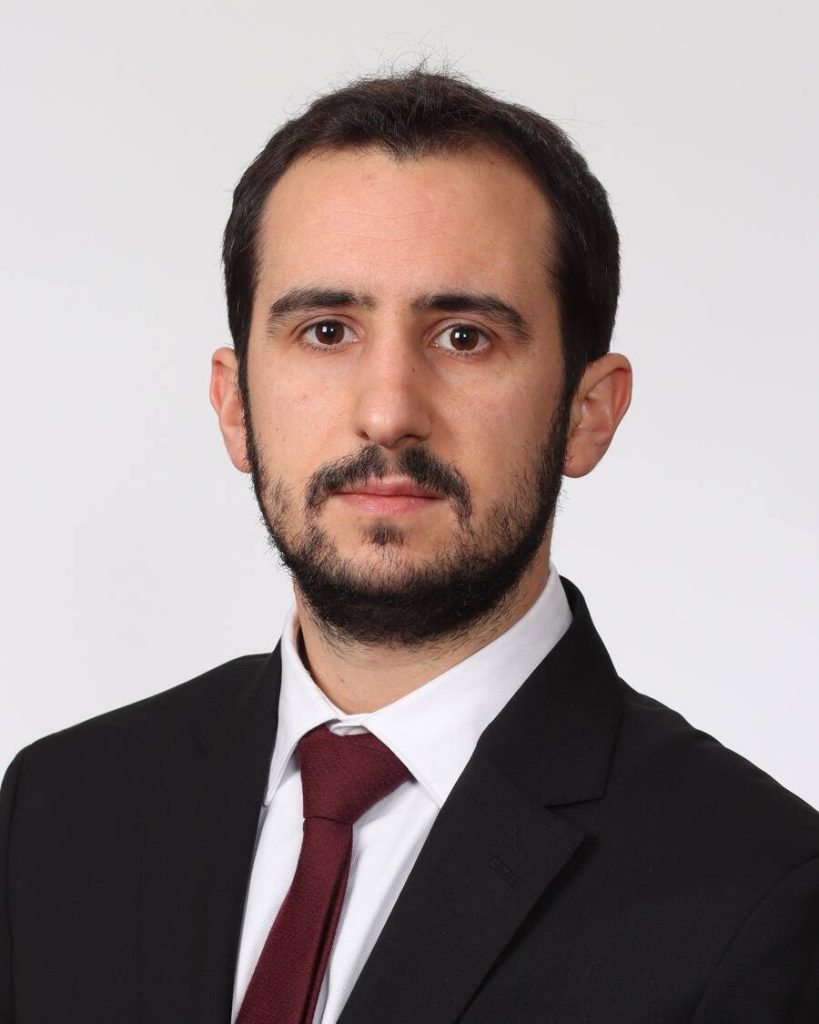
"Rare diseases require collaboration," says Andreu Vilaseca Jolonch, M.D., first author of the study and a neurology fellow at Mayo Clinic. "By bringing together patients and researchers across multiple countries, we were able to generate stronger evidence than any single center could produce alone. That collaboration not only strengthened this study but also created a foundation for future research."
Multiple clinical trials evaluating treatments for MOGAD are underway, and observational studies such as this one help provide important evidence while physicians await those results.
"There is growing optimism for patients with MOGAD," Dr. Flanagan says. "New treatments are emerging, and we're trying to bring the best treatment options to patients while continuing to learn which therapies work best."
This research was supported by the National Institutes of Health (R01NS113828). One patient included in the study was supported by National Institutes of Health grant R01AI170863-01A1.
For a complete list of authors, disclosures and funding, review the JAMA Neurology article.


