
Scientists studying satellite images of Antarctica have stumbled upon a discovery that sheds new light on emperor penguins - and reveals a troubling threat to their survival.
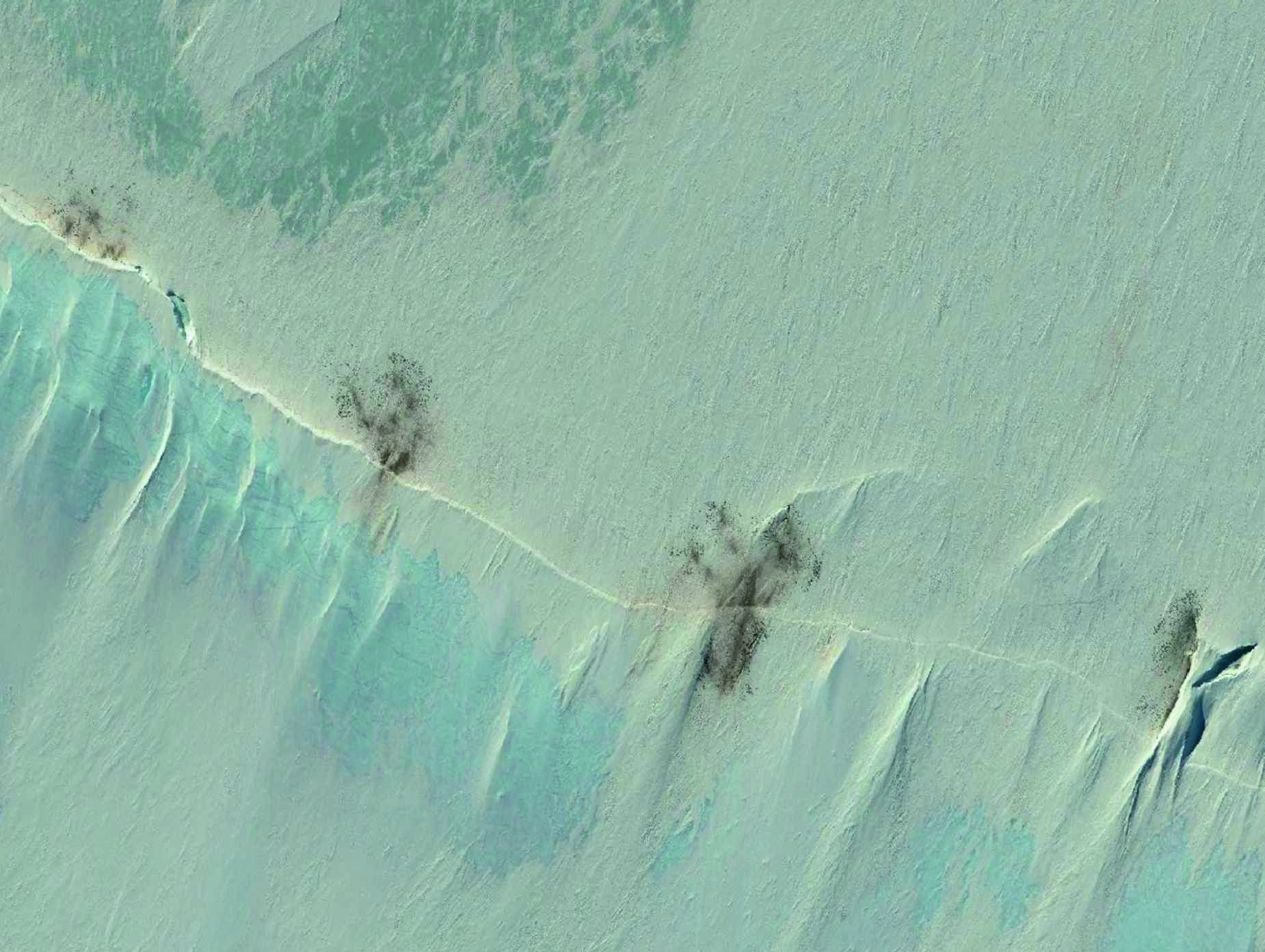
Researchers from British Antarctic Survey discovered several moulting colonies by chance, after spotting distinctive brown patches along the coastline of an area of Antarctica called Marie Byrd Land. The timing matched up with when emperors should have been moulting, prompting the team to take a closer look.
Until now, researchers have known little about where emperor penguins go to moult – the annual process where the birds replace their feathers with new, waterproof plumage. This study marks the first time scientists have observed moulting colonies using satellite images.
By comparing the location and timing of moulting with changing sea ice conditions, the team discovered that shrinking sea ice is forcing penguins into increasingly crowded groups, with potentially catastrophic consequences for their survival if the ice breaks up early.
What the satellites revealed
Each summer, emperor penguins from the Ross Sea in West Antarctica migrate as much as 1000km to Marie Byrd Land to find stable sea ice on which to moult. This population consists of seven breeding colonies accounting for up to 40% of the global population. Historically, Marie Byrd Land, is one of the few areas that retains its fast sea ice - sea ice attached to the coast - throughout the year.
By analysing seven years of satellite images, the team discovered over a hundred groups of moulting penguins, located on fast ice along the coast. However, in years with less sea ice, penguins were forced onto smaller patches in increasingly large and tightly packed groups.
Between 2022 and 2024, Antarctic sea ice extent hit record lows and Antarctic fast ice also reduced dramatically. In the study region, coverage declined from a 50-year average of around 500,000km2 (an area roughly the size of Spain) to just 100,000km2 in 2023 - with only 2,000km2 of fast ice near the coast.
In these years, the sea ice broke up before the penguins had finished moulting and it is likely that many of them were unable to survive. Moulting is high-risk for penguins – they cannot feed for several weeks, and summer sea ice conditions are highly variable. If forced into the ocean before their feathers are replaced, they face exhaustion from increased energy use, hypothermia and increased risk from predators.
The missing penguins
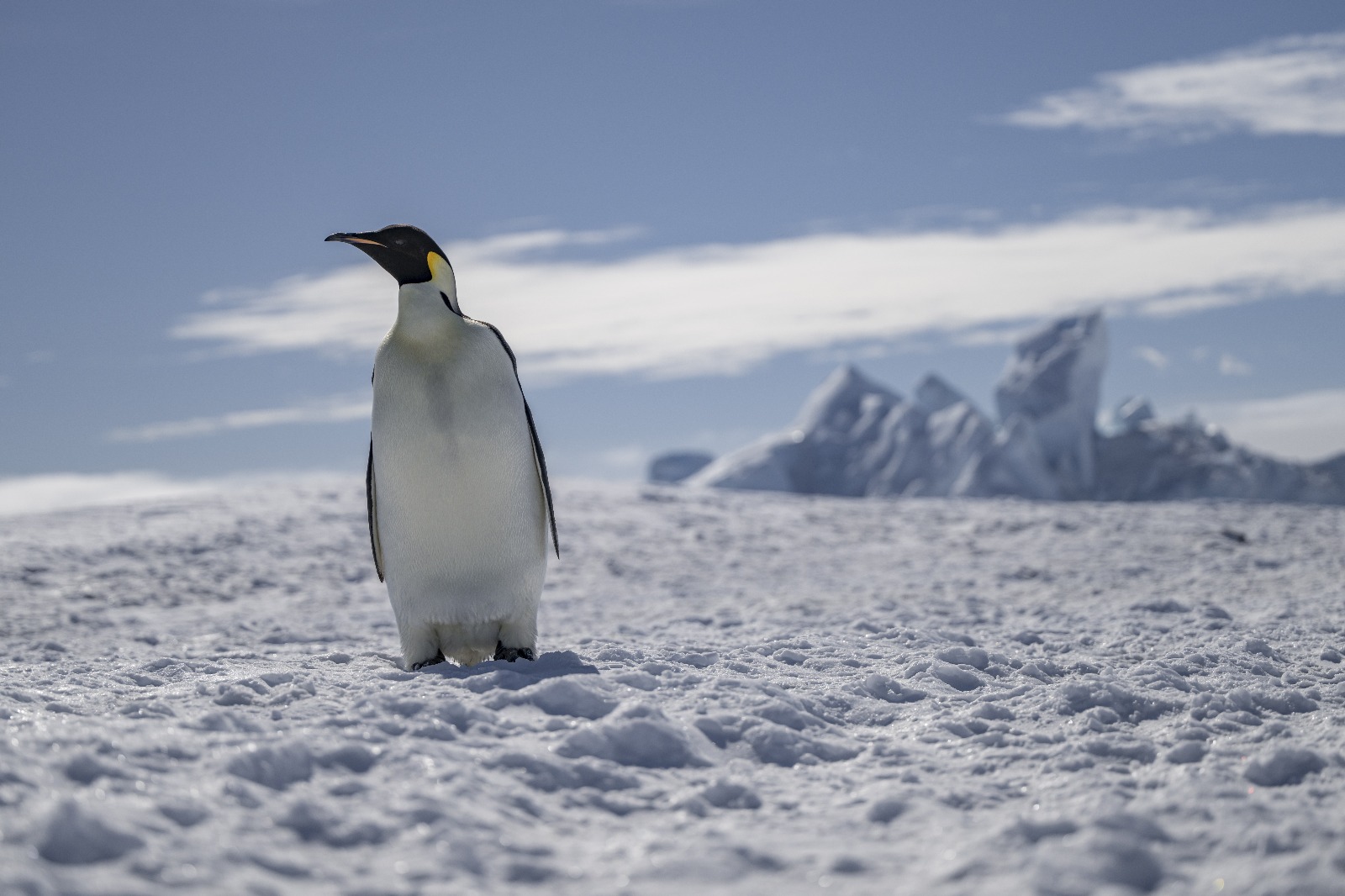
We are already seeing the impacts. In 2025, only 25 small groups of penguins were visible in satellite images, despite more favourable sea ice conditions. Before 2022, over a hundred groups of penguins had been identified in the same region. It's unclear whether the penguins had moved to new moulting sites or whether there is significant population decline.
For emperor penguins, which live up to 20 years and don't breed until age three to six, adult mortality poses a greater long-term threat than breeding failure.
Dr Peter Fretwell, lead author and mapping expert at British Antarctic Survey, said:
"Emperor penguins already faced a myriad of threats, and the loss of moulting sites is yet another pressure. While we don't know for sure what happened to those penguins, we know they can find new suitable breeding sites after ice loss, so it's possible they have established new moulting sites elsewhere.
But it's possible that huge numbers of penguins perished after entering the Southern Ocean before they had replaced their waterproof feathers. If this has happened, the situation for emperors as a species is even worse than we thought."
Emperor penguins provide a window on the whole ecosystem. The sea ice supports not just penguins but seabirds and seals, and a myriad of life under the sea ice - from tiny krill to giant whales. Most of these aren't studied on an annual basis, so emperors, which can be observed using satellite remote sensing, can be used as an indicator species, giving us a hint as to what might be happening across the ecosystem.


