
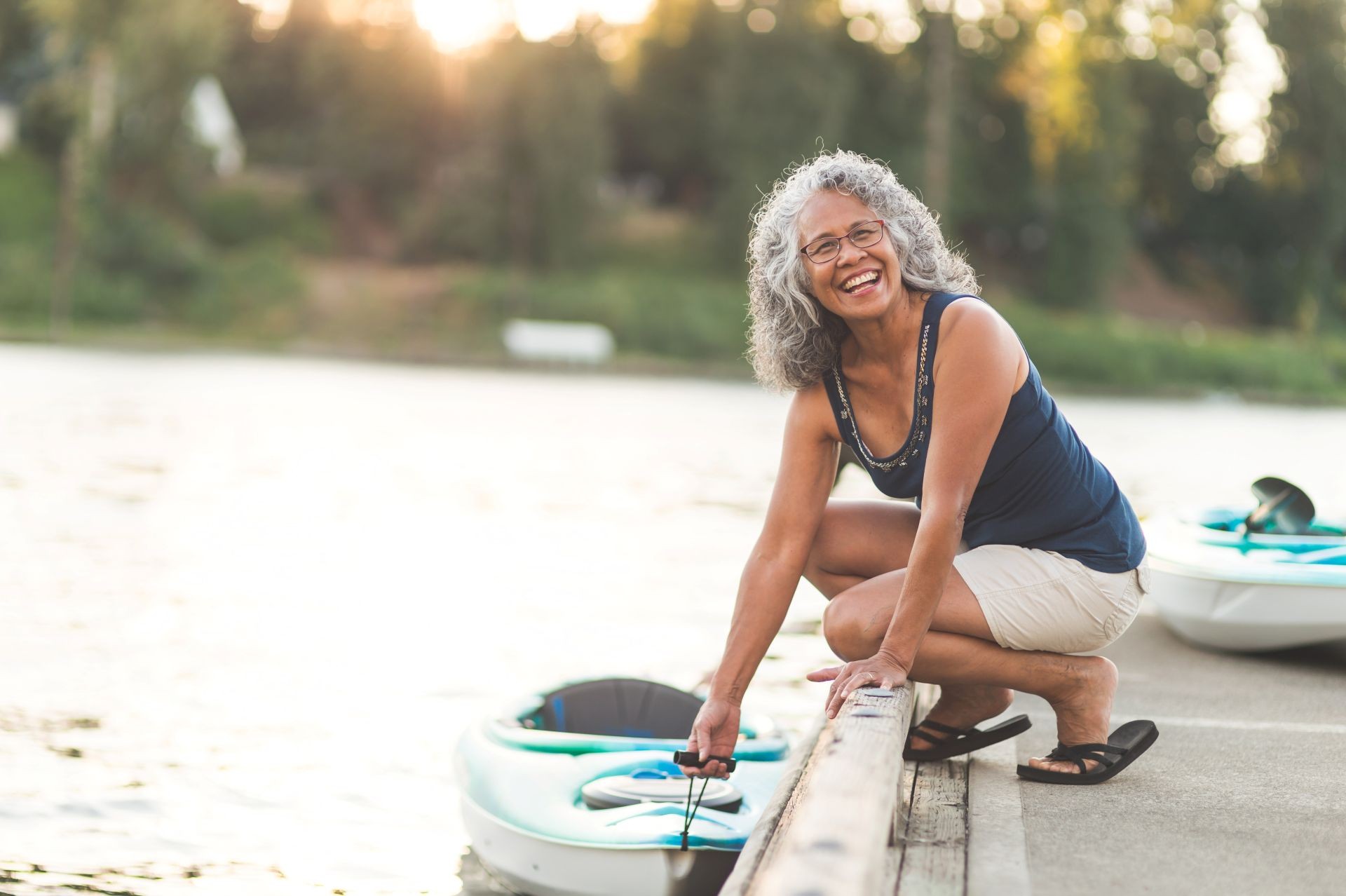
Austria suggests that water plays a much more complex and profound role in older women's lives than previously recognized.
While activities such as swimming, rowing, surfing and aqua aerobics are often promoted for their physical health benefits, the study found they also help shape identity, social connection, belonging and personal meaning.
The researchers at Concordia's engAGE Centre for Research on Aging and McMaster's Gilbrae Centre for Studies in Aging conducted a scoping review of approximately 1,500 articles to better understand the relationship women have with water throughout later life. This led to a close examination of 36 peer-reviewed studies that looked at older women's experiences with water-based leisure activities, including swimming, kayaking, sailing, surfing and aqua fitness.
The review uncovered four main themes. Water supported physical and mental well-being by reducing pain, improving mobility and helping women manage stress and grief. Engagement with water helped women build confidence, learn new skills and develop their identities as swimmers, surfers or rowers. Many participants described strong emotional ties to lakes, rivers and oceans, associating them with memories, spirituality and a sense of belonging. Just as importantly, water-based activities fostered friendships, mutual support and community.
The researchers further found that participation was influenced by practical and social barriers, including cost, transportation, concerns about aging bodies, cultural expectations and environmental issues such as pollution. Accessible facilities, supportive groups and women-only programs often helped overcome those challenges.
The researchers call for a "hydrological turn" in gerontology, arguing that studies of aging should treat water as more than a backdrop for exercise or therapy. This draws on the concept of hydrofeminism, they suggest that water deeply connects to people's bodies, relationships and environments.
They add that understanding these connections could lead to more inclusive research, policies and recreational spaces that recognize the social, cultural and emotional importance of water in later life.
The paper was published in Water Alternatives. It was written by Nicole Dalmer and Meridith Griffin at McMaster University; Kim Sawchuk, professor emerita in the Department of Communication Studies and director of the ACTLab; and Vera Gallistl at Karl Landsteiner University.
Read the paper: "Older Women's Leisurely Engagement with Water: A 'Wetrospective'"


