
A landmark study that started in 2021 to learn about war-time trauma among Vietnamese Americans has received $13.3 in additional NIH funding to delve deeper into how trauma affects aging and brain health.
The UC Davis-led study of more than 500 older Vietnamese Americans captured the scope of war, displacement and immigration trauma that occurred in the late 1970's and early 1980's. The findings suggest resilience may help soften the long-term mental health effects of war-related trauma, offering insight that could inform healthier aging strategies for other trauma-exposed communities.
Now, new research further examines how the trauma, resilience and other life experiences interact to affect brain health and aging.
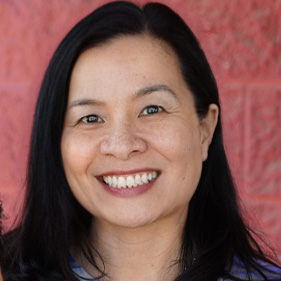
"We know that adversity and hardship are a part of life, and this is especially true for Vietnamese Americans who have faced war," said Oanh Meyer, senior author and leader of a pioneering Vietnamese American cognitive aging study. "We want to know how these experiences affect later life cognitive and mental health."
Meyer is part of UC Davis Health'sDepartment of Neurology and research faculty with the Alzheimer's Disease Research Center. She also leads the landmark study, known as Vietnamese Insights into Cognitive Aging Program, or VIP. Funded by the National Institute on Aging, the effort examines how life experiences, resilience and cultural factors shape cognitive aging and dementia risk.

The new study is titled, "Aging and resilience in Vietnamese American older adults: Evidence from the Vietnamese Insights into Cognitive Aging Program." Researchers examined whether resilience may help protect mental health later in life among older Vietnamese Americans who experienced early adversity and war-related trauma.
"If we can understand what contributes to resilience or protects against depression in later life, this could have implications for brain health," Meyer explained.
The findings may have broader implications for aging research. As dementia rates rise, scientists are looking beyond genetics to understand how experiences across the lifespan — from education and stress to trauma, social support and mental health — influence cognitive aging.
When resilience becomes protective
In interviews for the earlier study, participants described fleeing danger, enduring hunger, living through imprisonment and being separated from loved ones. Yet alongside those memories, many spoke about faith, family, gratitude and the ability to adapt.
The newer, 2026 study, published in International Psychogeriatrics, analyzed data from 511 Vietnamese American adults aged 65 and older who are part of VIP. Researchers examined depression symptoms, stress and global cognition, a measure of overall thinking and memory.
If we can understand what contributes to resilience or protects against depression in later life, this could have implications for brain health.-Oanh Meyer, professor in residence, UC Davis Department of Neurology
By looking at the associations between adversity and trauma exposures and depression, they uncovered that resilience might interact with adverse exposures to affect depression. In the analysis, it appeared to weaken the relationship between early traumatic experiences and later life depression symptoms. That suggests resilience may help reduce some of trauma's long-term mental health impacts. Because the study captured participants at a single point in time, it could determine whether resilience directly prevents depression.
"It doesn't mean the trauma is erased but having that psychological strength may significantly reduce the long-term emotional burden tied to those painful memories," said Uyen Vu, co-lead author of the study.
For clinicians, the study suggests that caring for older adults with a history of trauma may require asking questions related to resilience. Not only "What happened to you?" but also "What helped you survive?" and "What supports you now?"
For Meyer, this research is not only academic. It is personal.
Her mother lived through the trauma of war and displacement. Like many survivors, she would occasionally talk about those experiences, but the true depth of the hardship that her mother's family faced was unknown to Meyer for many years. Meyer had questions. What happens when trauma is carried for decades? How does it shape health in older age? And what helps some people keep going, even after extreme hardship?
Some of those questions have been answered, some may be answered through the next phase of the study.

VIP enters a new phase
The new NIH award will allow researchers to recruit more than 400 additional participants and continue to follow the existing cohort over time, creating one of the largest and most comprehensive studies of cognitive aging among Vietnamese Americans.
The expansion of VIP will go beyond surveys and cognitive testing to include brain MRI scans, genetic data and blood-based biomarkers associated with Alzheimer's disease and related dementias. The findings can show how risk and resilience shape brain aging across the life course.
"No study of this scale has previously examined how war-related trauma, migration experiences, cardiovascular health, genetics and Alzheimer's biomarkers collectively shape cognitive aging in Vietnamese Americans," Meyer said. "The findings could ultimately inform prevention and intervention strategies for Alzheimer's disease and related dementias across diverse populations."
And for her, the research is also a reminder that older adults are more than the hardships they endured. Their experiences offer insight not only into trauma, but into the strengths that helped them survive and what those strengths may teach researchers about lifelong health.
VIP is conducted in collaboration with researchers at UCSF and community partner organizations — Asian Resources Inc. in Sacramento and ICAN in San Jose. Other UC Davis research faculty in the effort include Rachel Whitmer, Charles DeCarli, Sarah Tomaszewski Farias, Thomas Wingo, Brandon Gavett, Danielle Harvey, Audrey Fan, Pauline Maillard and Ladson Hinton.


