
The ocean is rising faster now than at any point in recorded history. The impacts are already being felt and the threats are growing.
Land is being inundated, homes are flooding, livelihoods are being lost, driving significant hardships on people in search of a more secure future.
It is not just the environment that is being affected, rising sea levels also have a significant impact on human rights, economic development, health, culture, the future of many countries and basic human dignity.
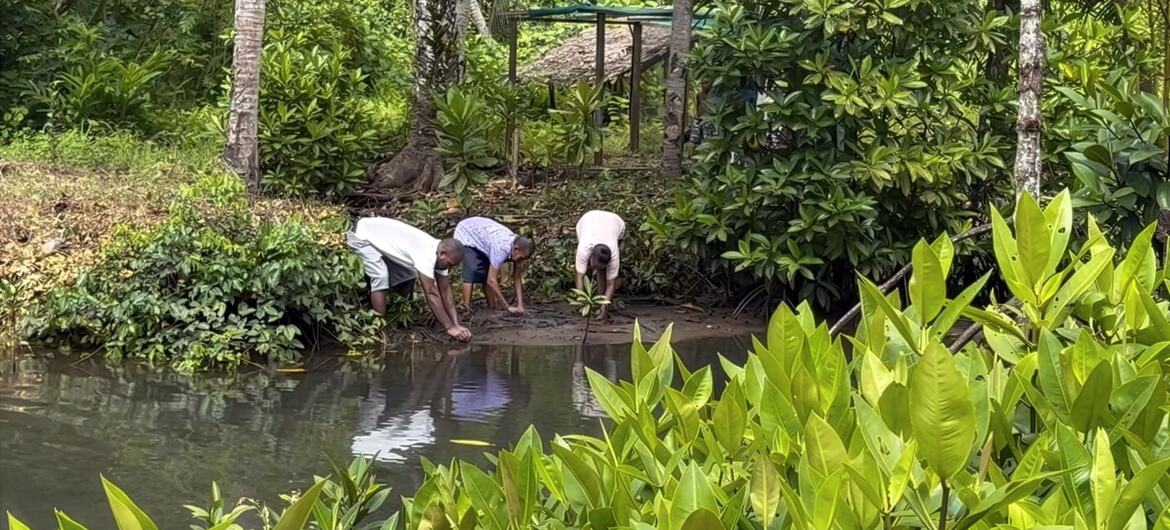
Everyone and pretty much everywhere are affected across developed and developing nations. The ability to act and adapt today will prove decisive for whether rising seas become a manageable challenge or a generational crisis.
What is sea-level rise?
Simply put, sea levels are getting higher due to the effects of human-induced climate change.
Between 2014 and 2023, the global sea level rose 4.7mm a year. In 2024, it jumped a record 5.9mm.
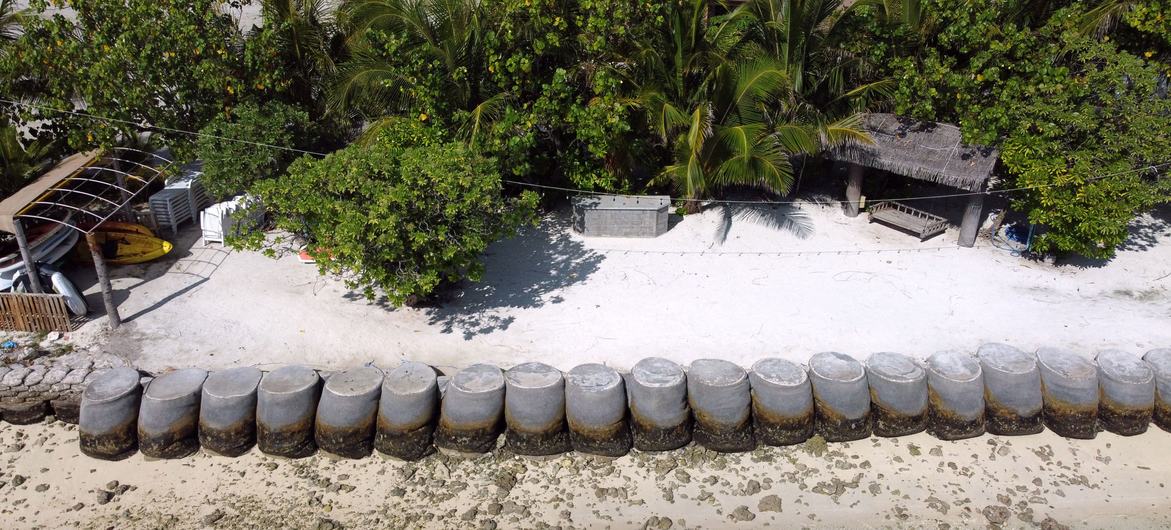
Even under the most optimistic scenario, oceans will likely rise up to 0.55 metres by 2100; under the worst, over a metre. A small, but high-impact, chance exists under high emission scenarios, of nearly 2 metres by the end of the century.
What's causing it?
- Melting glaciers and ice sheets.
- Thermal expansion; warming oceans literally take up more space.
- About 91 per cent of the planet's excess heat is being absorbed by the ocean, so as the climate warms due to increased harmful gas emissions, future rises will be locked in.
The human impact
Around 770 million people, roughly 1 in 10 humans, live less than five metres above the high tide line.
That is uncomfortably close and its proximity is already being felt.
- Freshwater wells and farmland are turning salty.
- Flooding is damaging hospitals, schools and sanitation systems.
- Increased exposure to waterborne disease threatens drinking water supplies and contributes to growing psychological stress.
- Fisheries and tourism, the backbone of many coastal economies, are being disrupted.
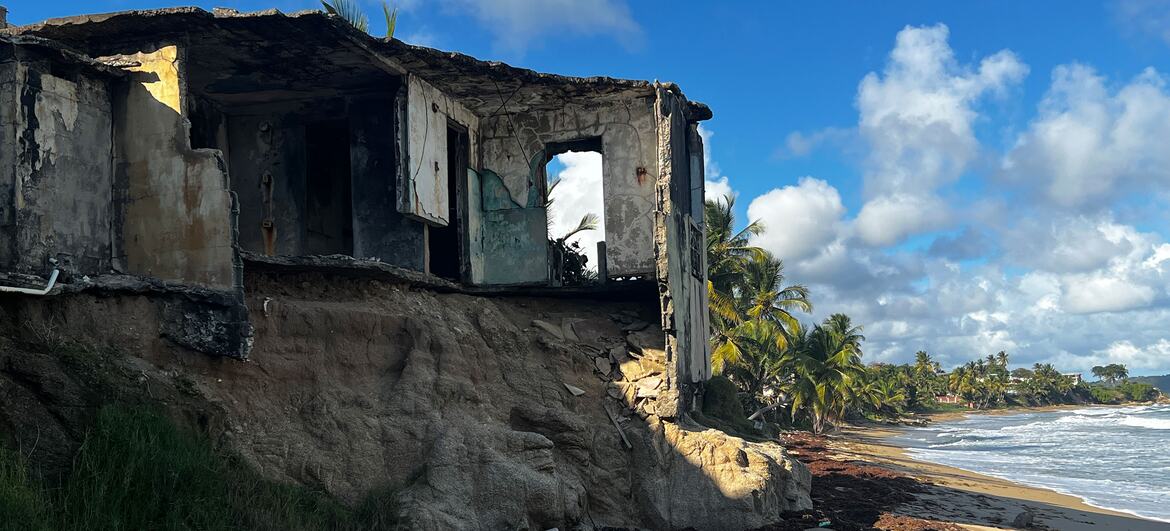
- Some projections suggest up to 1.2 billion people could be displaced globally by 2050, as people look not just for safer ground but also somewhere they can build a new livelihood.
- New evidence suggests sea-level risks may be significantly underestimated in some regions, meaning tens of millions more people could be vulnerable than previously thought.
Beyond the physical: cultural heritage, ancestral land and traditional ways of life are being lost, with real psychological toll
The price tag
- Coastal infrastructure damage already exceeds $1.8 trillion.
- Without adaptation, annual global losses could hit $1.4 trillion.
- Small Island Developing States lost $153 billion to climate hazards between 1970-2020.
- US home insurance premiums jumped by 33 per cent between 2020-2023 in disaster-risk areas
- Ports that handle more than 80 per cent of global trade are increasingly exposed to flooding and rising seas, creating risks for global supply chains.
Where is most at risk?
Many of the countries facing the most immediate risks contribute least to the emissions driving sea-level rise and often have the fewest resources to respond.
- Small Islands: Some Pacific nations face relative sea-level rise of more than twice the global average and remain particularly vulnerable to increasingly frequent flooding events.
- Low-lying delta cities: Dhaka, Mumbai and Kolkata, where over 14 million people risk losing their homes, livelihoods and lives.
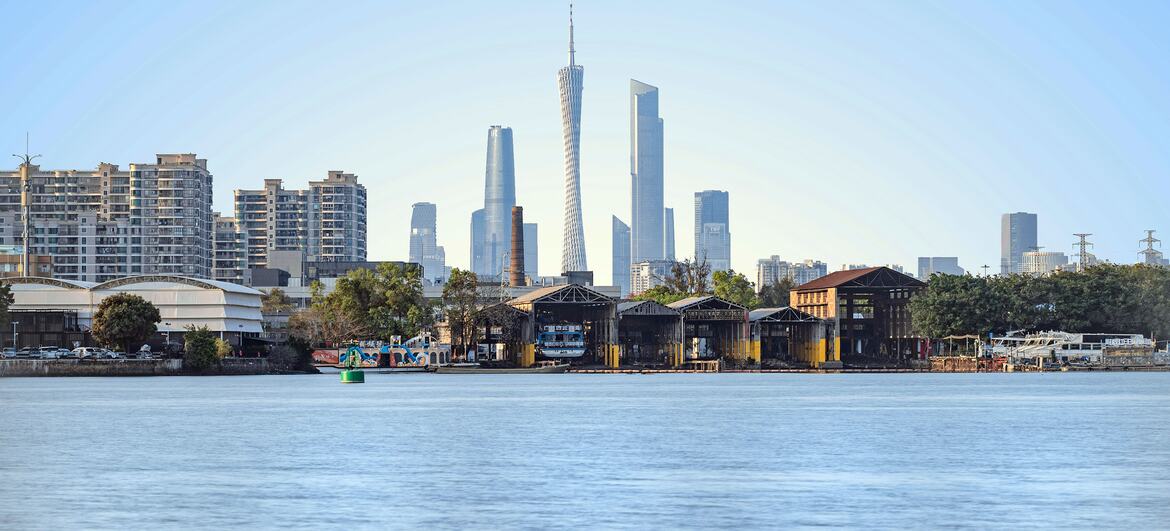
- Coastal megacities: Miami, New York and Guangzhou face losses of trillions of dollars if infrastructure is damaged.
Can it be stopped?
Not entirely, some rise is already locked in.
But how much more happens depends on the extent to which the harmful emissions can be cut now.
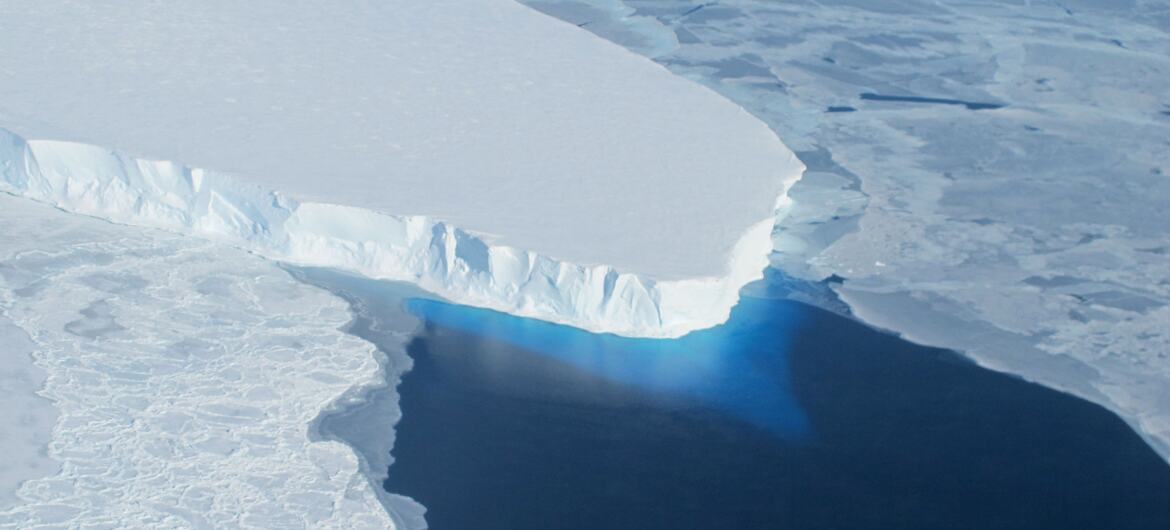
One flashpoint: Antarctica's Thwaites Glacier, covering around 190,000 sq km. Its collapse alone could trigger a sudden, irreversible sea-level jump of over half a metre a genuine and possible tipping-point from which there is no going back.
Adapting to the inevitable
Moving away from climate-changing fossil fuels is the world's most important priority to slow down global warming and thus the rise of seas, but adaptation measures are also needed now.
- Early warning systems so that people can be protected before disaster strikes.
- Sea walls, mangroves, dune restoration and the managed retreat of people from threatened areas.
- Better data; many regions still lack basic monitoring of sea conditions.
- Clarity in relation to legal aspects, including on statehood and maritime zones, in the event that land is submerged.
Developing countries need an estimated $310-365 billion a year for adaptation, but global adaptation finance was only about $26 billion in 2023
The bottom line
Rising seas can feel like an unstoppable force, but how much damage is done, and to whom, still depends on the choices that people, communities and governments make today.
Ultimately, boosting adaptation finance, ensuring that statehood is not affected by rising seas, and giving sea-level rise the standing and urgency of a permanent global priority is what is needed to protect people's homes, histories, livelihoods and identities.


