
Eight projects featuring RMIT design research, outcomes and collaborations have been honoured at the 2026 Australian Good Design Awards.
Presented under the theme Design that Leads, this year's awards celebrated the critical role of design in navigating complexity, driving innovation and creating positive change.
RMIT is proud to be ranked #1 for Art and Design in Australia and equal #19 in the world (QS 2026 World Rankings by Subject).
This design excellence was on show in all eight RMIT-affiliated projects, ranging from a podcast to wearable technology, an industry-partnered learning program and public installations.
Aurecon Design Academy
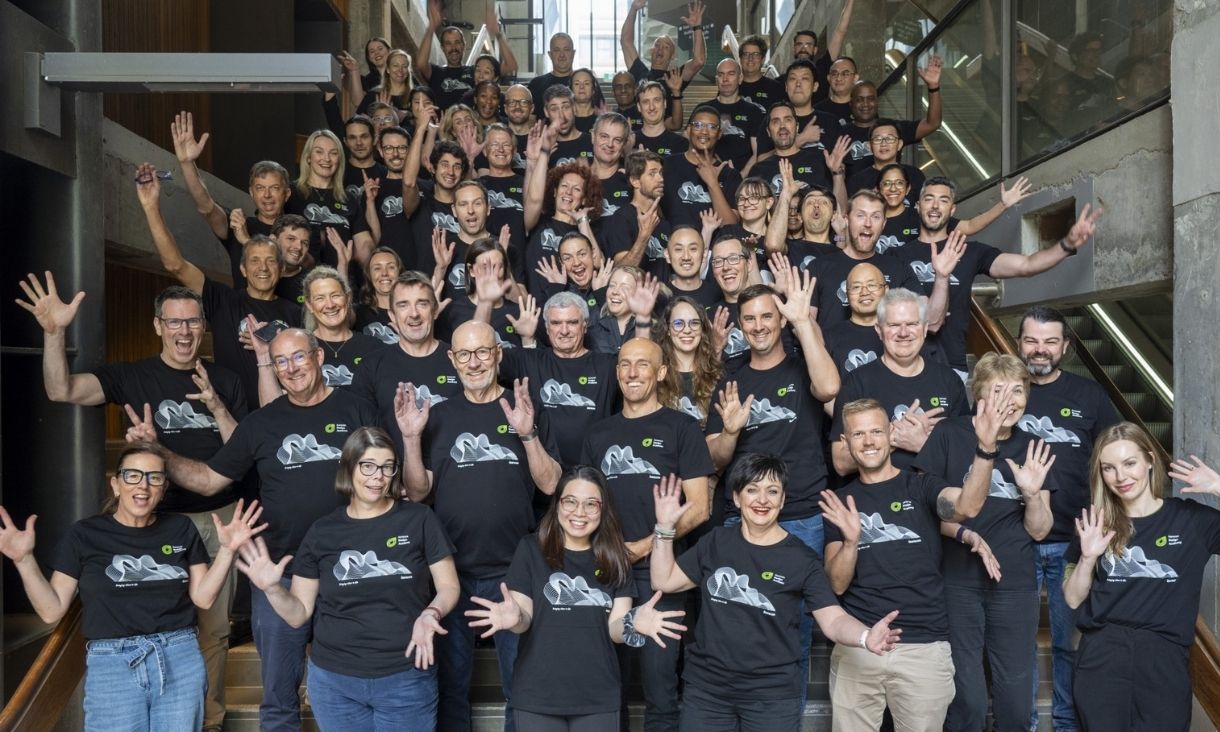 The Aurecon Design Academy.
 The Aurecon Design Academy, delivered through RMIT's Graduate Certificate in Design Management, is an industry-embedded professional learning program developed through a decade-long partnership between Aurecon and RMIT's School of Property, Construction and Project Management.
Designed for experienced professionals from across Aurecon's global business, the three-year program brings academia and industry together to develop the design leadership, judgement and capabilities needed to navigate complexity and address challenging real-world problems.
Co-created by RMIT and Aurecon, the program combines academic rigour with immersive, multidisciplinary learning and applied industry research. Scholars engage with contemporary approaches including systems thinking, regenerative design, circular economy, strategic foresight and human-centred design, applying these capabilities directly within their professional practice.
The partnership demonstrates a distinctive model of lifelong learning and industry engagement, creating value beyond the classroom by strengthening individual capability, supporting organisational innovation and enabling new approaches to complex industry challenges.
In recognition of this innovative approach, the Aurecon Design Academy was awarded Best in Class for Design Strategy at the 2026 Australian Good Design Awards.
One Day in our Park
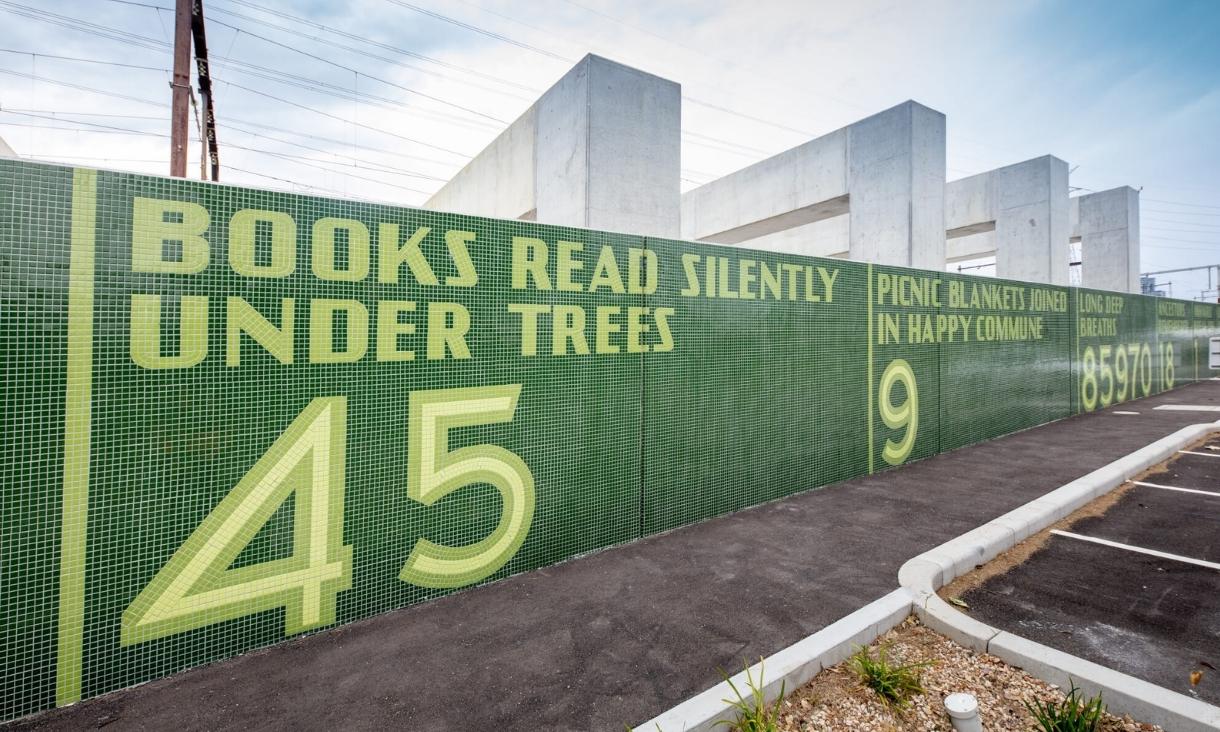 One Day in our Park. By Dr Stephen Banham (writer and designer), Sebastian Tibbs (Production) and Lachlan Philps (Typographic Mapping).
 By Dr Stephen Banham (writer and designer), Sebastian Tibbs (Production) and Lachlan Philps (Typographic Mapping).
One Day in Our Park was the Gold Winner in the Built Environment / Installation Design category.
Spanning 360 metres and made of over 1.6 million tiles, it is a permanent typographic design work featuring 45 stories of how a community experiences their local park, and how many times these experiences happen within a single 24-hour period.
It is a design response to community, expressing the smallest, incidental and intimate daily experiences of the park community at monumental scale.
Built as part of a Metro Tunnel floodwall, the work had to not only offer flood protection but also introduce a more poetic voice to the locale.
This project melds design research with design outcome, breaks down the distinctions between communication design and urban design, and is an innovative approach to relating people and place.
Ovi: Designing Dignity in Early Pregnancy Loss
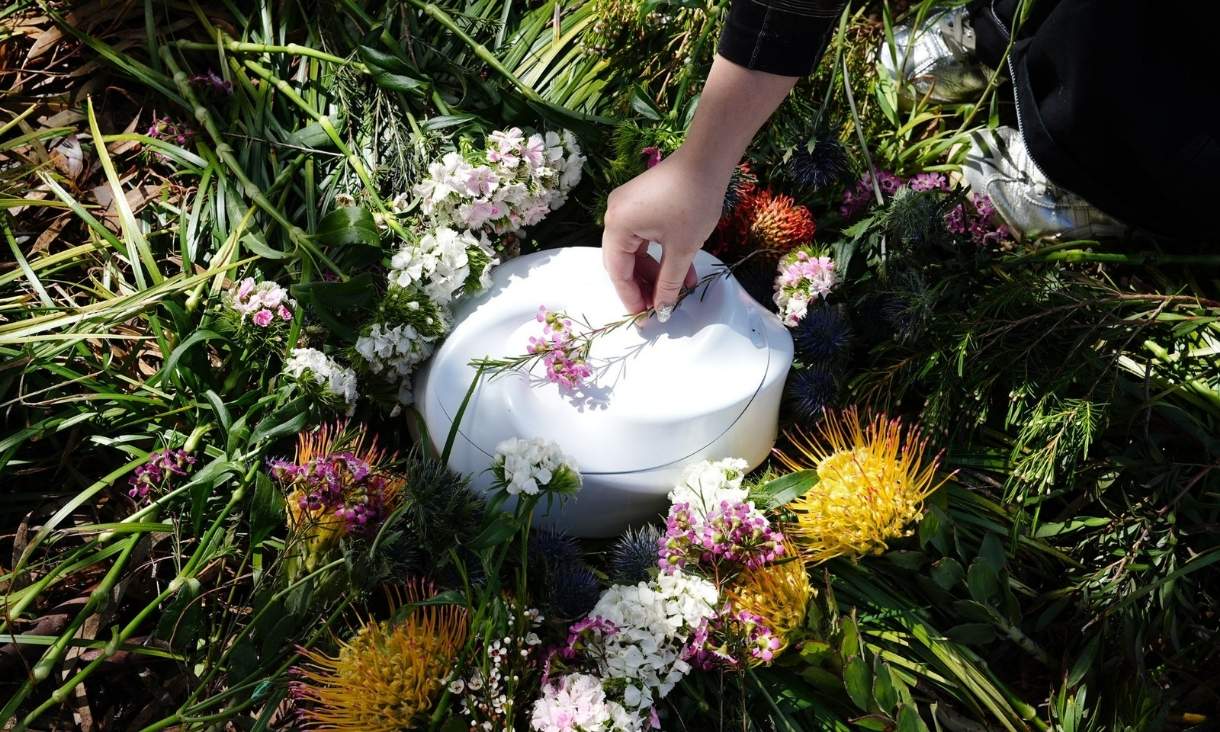 Ovi: Designing Dignity in Early Pregnancy Loss. Designed by Ellyn Wong Wan Wen
 Design graduate Ellyn Wong Wan Wen won in the Next Gen category for Ovi, a ceramic cooling vessel designed to support families experiencing early pregnancy loss.
Ovi is intended as a system of choice, allowing families to say goodbye in their own way.
It funtions as a cooling vessel, a transportation method, a burial coffin, and a lasting artefact. It preserves the baby for three days without electricity, allowing families to transport, hold a funeral, and grieve in their own space.
Developed as part of a final year design project, Ovi was informed by observation within a morgue and consultations with midwives, a gynaecologist, and therapists.
Second Skin
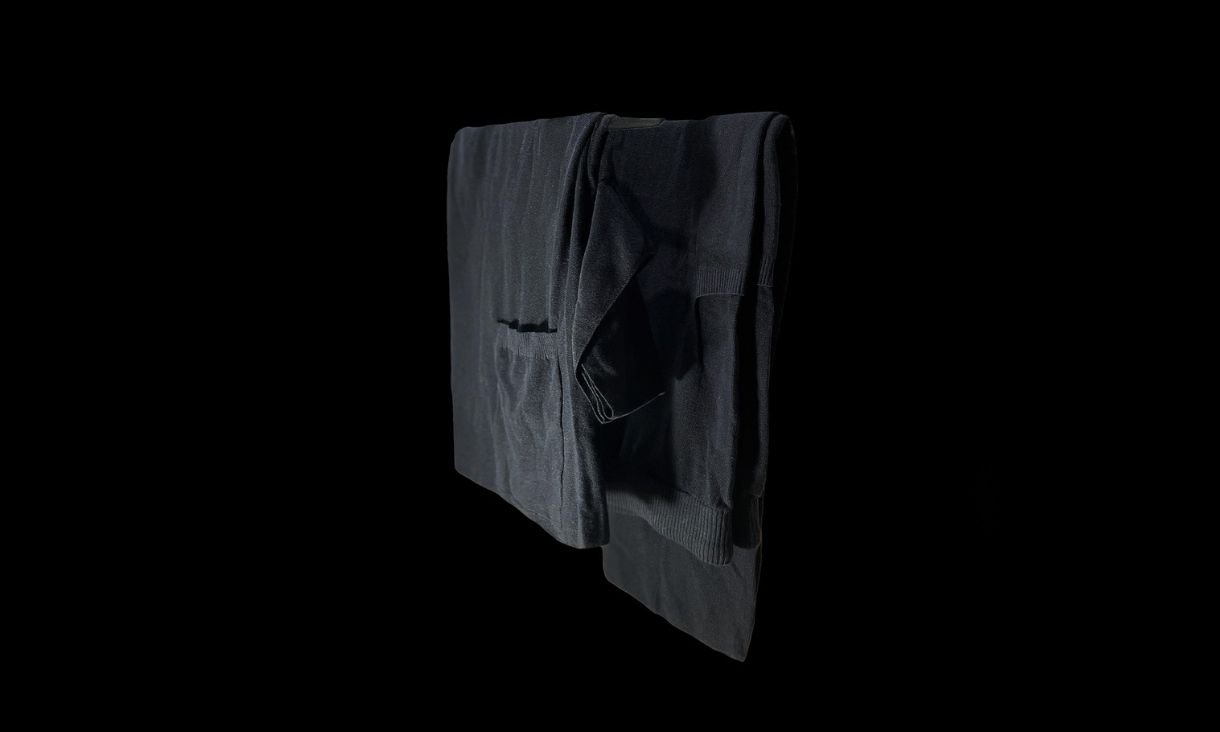 Second Skin. Designed by Dr Oliver Cotsaftis
 Designed by Dr Oliver Cotsaftis, Second Skin is a hospital scrubs design for healthcare workers that transforms a ubiquitous uniform - typically standardised, synthetic, and uncomfortable for long wear - into a tailored, sustainable, breathable alternative.
The scrubs were developed through iterative prototyping with healthcare workers, testing material performance, fit, wearability, and functional details such as pocket placement in real conditions.
The Good Design Awards Jury noted "the combination of 3D body scanning, seamless knitting and seaweed-organic cotton demonstrates technical coherence, with each decision clearly motivated by the problem rather than novelty."
This project also positioned healthcare workwear within broader conversations on design, sustainability, and wellbeing with the scrubs exhibited as part of the NGV Making Good: Redesigning the Everyday exhibition.
Second Skin was commissioned by Peninsula Health and supported by the WorkSafe WorkWell Mental Health Improvement Fund. It is designed to improve comfort, fit, and wearer wellbeing while reducing environmental impact, and was awarded in the Concept Design category.
Solid Yarns
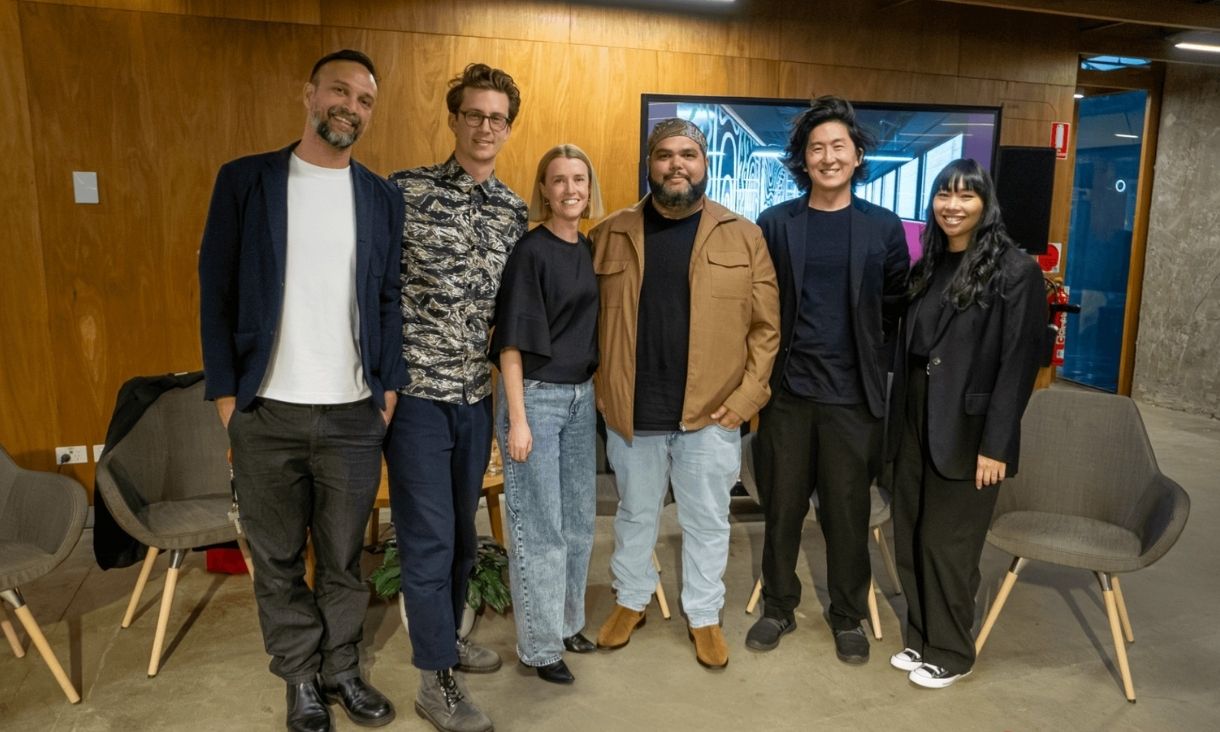 Solid Yarns. Designed by Solid Lines, Dr Nicola St John, Janak Rogers, Kimberley Li and Sophie Woods
 Designed by Solid Lines, Dr Nicola St John, Janak Rogers, Kimberley Li and Sophie Woods.
Solid Yarns is a groundbreaking Australian podcast series unpacking design collaborations between First Nations creatives and commercial clients. It won in the Social Impact category.
Produced by Solid Lines and RMIT University, episodes reveal what makes respectful collaboration work in practice.
The series foregrounds Indigenous Cultural and Intellectual Property, translating complex legal and cultural considerations into accessible, workflow-relevant insights for the design industry.
The podcast was created to support culturally safe pathways and drive systemic change across Australia's design sector. Designed for designers, studios, and clients, the podcast provides practical guidance on briefing, commissioning, and culturally safe collaboration.
SonoBand: Supporting Gait Recovery One Step at a Time
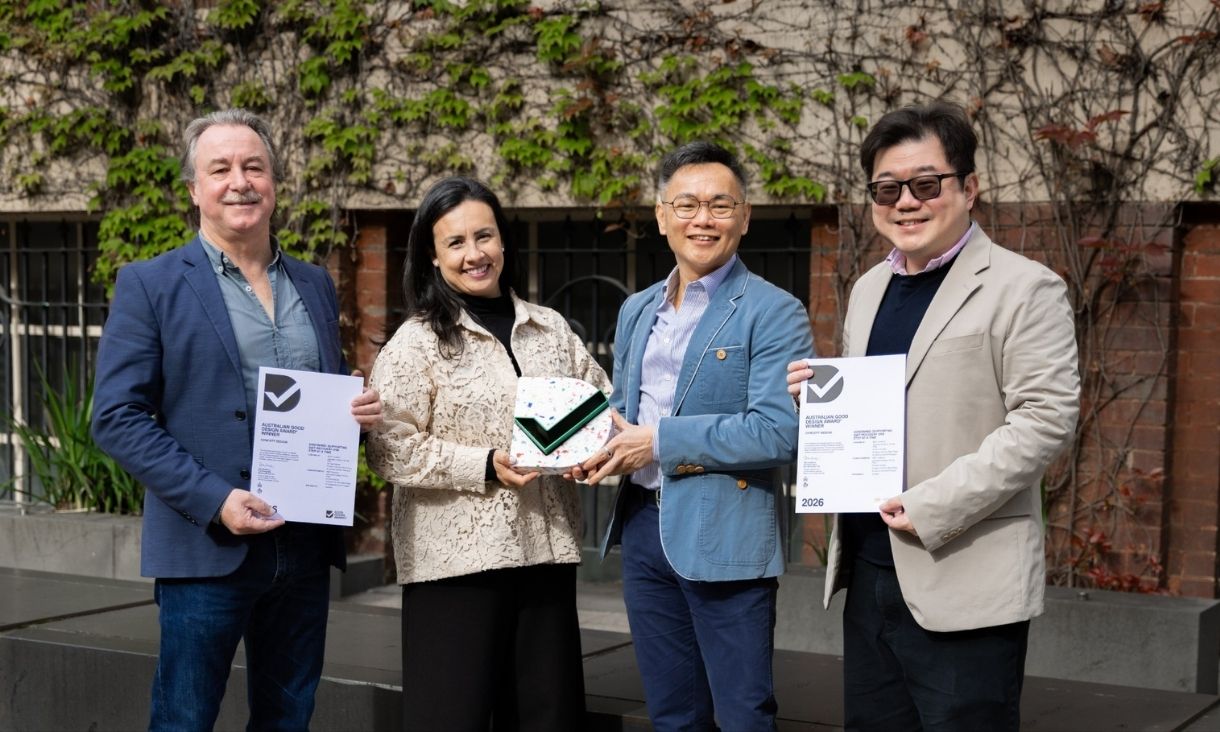 SonoBand: Supporting Gait Recovery One Step at a Time. Designed by Associate Professor Toh Yen Pang, Dr Frank Feltham, Professor Chi-Tsun (Ben) Cheng and Dr Carolina Quintero Rodriguez
 Designed by Associate Professor Toh Yen Pang, Dr Frank Feltham, Professor Chi-Tsun (Ben) Cheng and Dr Carolina Quintero Rodriguez.
SonoBand is an interdisciplinary research project exploring how wearable technology can support people during gait and balance rehabilitation.
Bringing together expertise from fashion and textiles, biomedical engineering, mechatronics engineering and design, the team developed an early-stage concept that combines a soft textile garment, motion sensing and real-time auditory feedback.
Rather than relying on screens or complex laboratory equipment, SonoBand translates body movement into sound. The system helps users become more aware of their balance, rhythm and walking patterns, offering a more accessible way to support rehabilitation beyond clinical settings.
The project reflects the strengths of each researcher's discipline and demonstrates how design and engineering can come together to create technologies that are both functional and responsive to people's needs.
SonoBand was awarded in the Concept Design category.
STORYBOX: Hey, Digital, Time to Get Physical
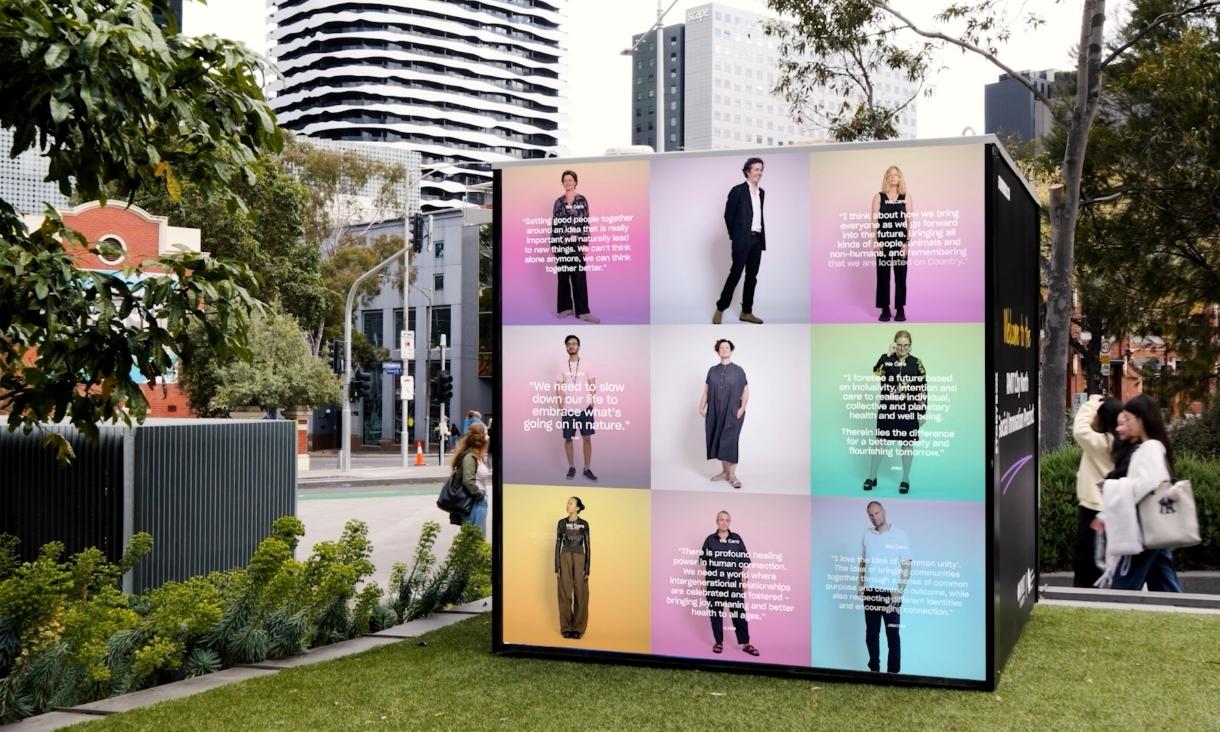 STORYBOX displaying We Care portraits (Studio ESEM / Sarah Barns).Designed by Studio ESEM, Dr Sarah Barns, Michael Killalea and Leif Wilson.
 Designed by Studio ESEM, Dr Sarah Barns, Michael Killalea and Leif Wilson.
STORYBOX won Best in Class in the Digital Interface category.
This digital exhibition and insights platform for public precincts is designed to enliven public imagination, storytelling and creativity in shared spaces.
It shifts the idea of screens in public places from passive advertising surface to shared civic storytelling asset.
First launched in 2020 to address precincts undergoing rapid transformation, STORYBOX is built on a place-first principle: cultural programming leads, technology enables.
Its four-sided LED interface breaks the single-user broadcast model and supports 360-degree, simultaneous public encounter, enabling cinematic storytelling, touring exhibitions, mobile-to-screen interaction, live polling and dance interactives.
STORYBOX serves cultural institutions, councils, universities, artists and communities as a civic storytelling asset, while engaging public audiences as citizen-storytellers, rather than consumers.
The Guide to Surplus and Material Impact Calculator
Designed by Circular Sourcing, Graphic Services NYC, Art Box Black, RMIT University, Country Road Climate Fund
The Guide to Surplus and companion Impact Calculator are open-access industry tools designed by Circular Sourcing. The calculator is built on validated environmental datasets developed by RMIT University.
Together, they give fashion brands and sourcing teams the first structured framework for sourcing and measuring the environmental impact of surplus textiles.
This project was awarded in the Social Impact category.


