
California's Bay Area may be a culinary hot spot for people, but food options for fish in the San Francisco Estuary have been limited and declining in recent decades.
A study from the University of California, Davis, shows there is a part of the estuary that is teeming with fish food - the managed wetlands of Suisun Marsh.
The study, published in the journal Estuaries and Coasts, found that managed wetlands produce 11 to 22 times more zooplankton than tidal habitats, including tidal restoration sites.
Zooplankton are drifting, microscopic animals that form the foundation of a fish's diet. The paper said zooplankton increases in response to controlled floods.
If managers adopted strategies to connect managed wetlands with tidal habitats, they could time seasonal flood releases to send a DoorDash-like delivery of plankton pulsing into waterbodies to feed more fish.
"Plankton have been declining as a whole in the estuary for decades," said lead author Kyle Phillips, a postdoctoral scholar with the UC Davis Center for Watershed Sciences. "The food has been missing, but we found where the food is, and we figured out how to make more. When you flood managed wetlands, you can expect a big boost in zooplankton."
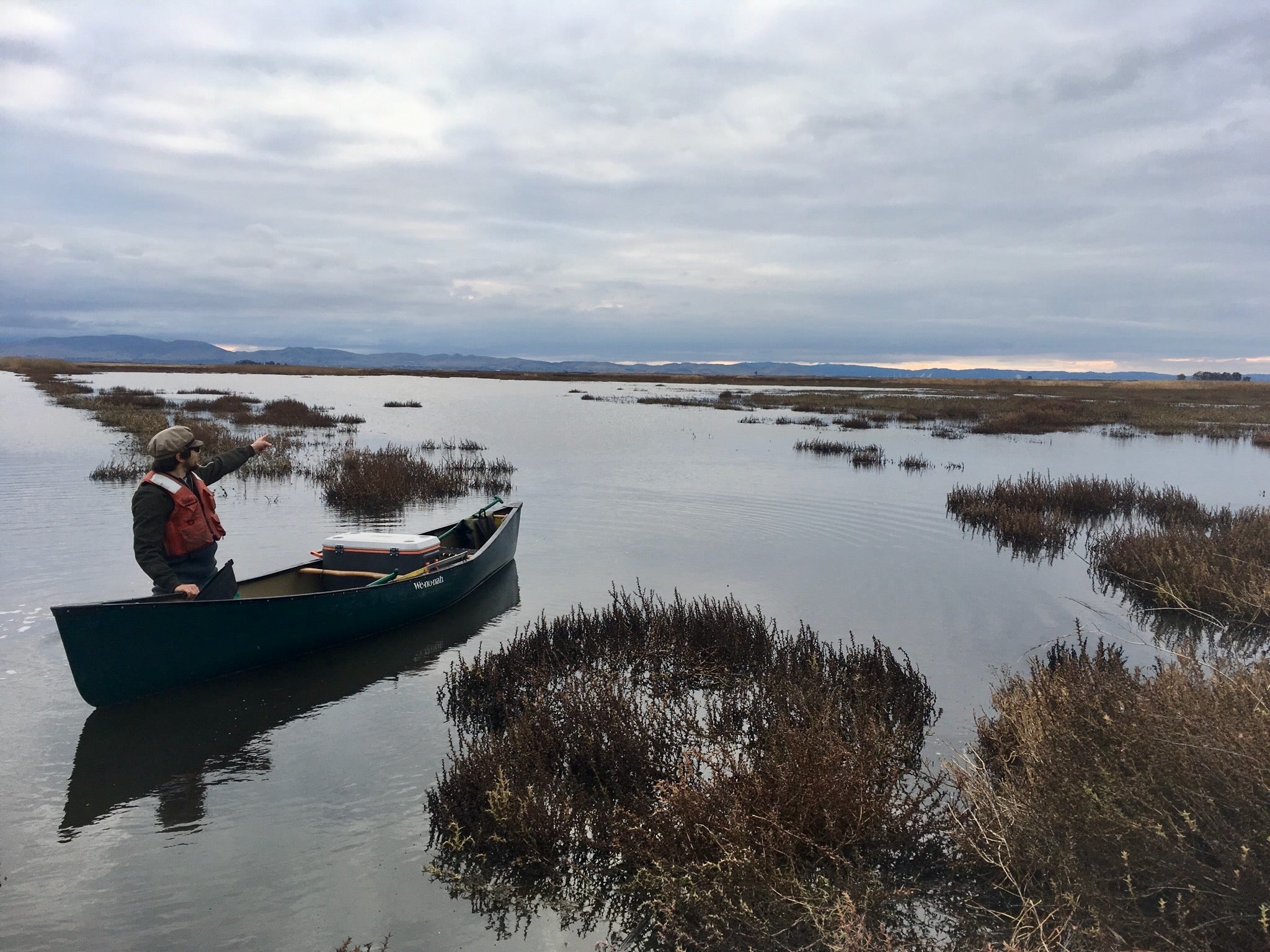
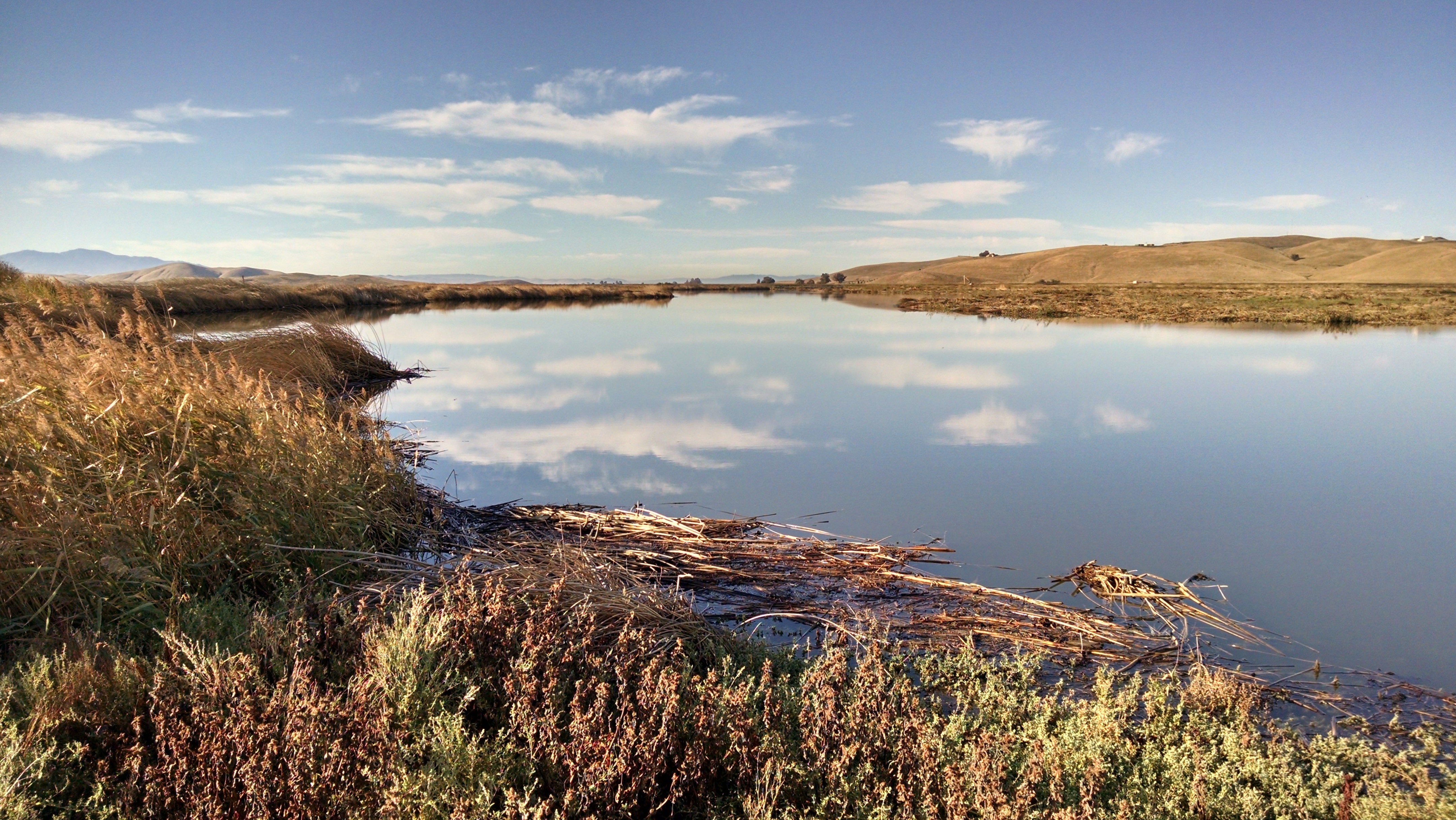
Managed wetlands are human-constructed, shallow ponds that have been diked and culverted to control water flows with neighboring waterways. Built mostly in the early 1900s, they have primarily been managed by duck clubs to promote migratory waterfowl and hunting. There are 52,000 acres of managed wetlands in Suisun Marsh.
For the study, the researchers collected and studied zooplankton from six managed wetlands and eight tidal waterbodies across Suisun Marsh for four consecutive years, 2018 to 2022, comparing plankton abundance between the habitats and measuring when they are most productive. These dynamics inform how zooplankton may be exported throughout the estuary to feed fish.
They found that zooplankton were highest in the winter and lowest in the summer for both habitat types. Across seasons, managed wetlands had an average of 22 times more zooplankton than tidal waterbodies.

In a follow-up study planned for this summer, Phillips and Durand will investigate strategies to bring more zooplankton from the wetlands into the sloughs where fish can access them, in partnership with a coalition of land managers and natural resources agencies.
"Suisun Marsh is an extremely beautiful place," said co-author John Durand, a senior researcher in the UC Davis Center for Watershed Sciences and Phillips' advisor. "There are levees, ponds and restored wetlands. It's gorgeous, diverse and full of plants and animals. Part of the reason for that is because duck clubs have preserved the land there for 150 years. Where everything else was turned into agriculture or industry, Suisun Marsh remains a hotspot for fishes and for our imaginations."
Additional co-authors include Alice Tung, Elsie Platzer, Teejay O'Rear and Sharon Lawler of UC Davis. The study was funded by the California Department of Water Resources.


