
How the war on Iran fuels an energy shock and cost of living crisis
It has been 100 days since the US and Israel launched their attacks on Iran on 28 February 2026, throwing the region into deeper violence and pushing up fuel, food and transport costs around the world. This war is a human tragedy that is deepening a global cost of living crisis in a world still dangerously dependent on oil and gas.
This blog sets out six concrete policy ideas governments can implement now to protect people from the Iran energy shock and accelerate the shift away from fossil fuels.
History shows that moments like this can also unlock transformative decisions. After the Second World War, governments created social safety nets and public health systems; the 1970s oil shocks led to fuel efficiency standards, strategic reserves and, in some countries, the birth of modern environmental policy. Today's overlapping crises - war, an unprecedented energy shock, a cost of living crunch and a worsening climate emergency - do not just echo past shocks, they expose a fossil fuel system that can no longer sustain the society built on it.
1. Ground private jets and mega‑yachts before grounding ordinary people
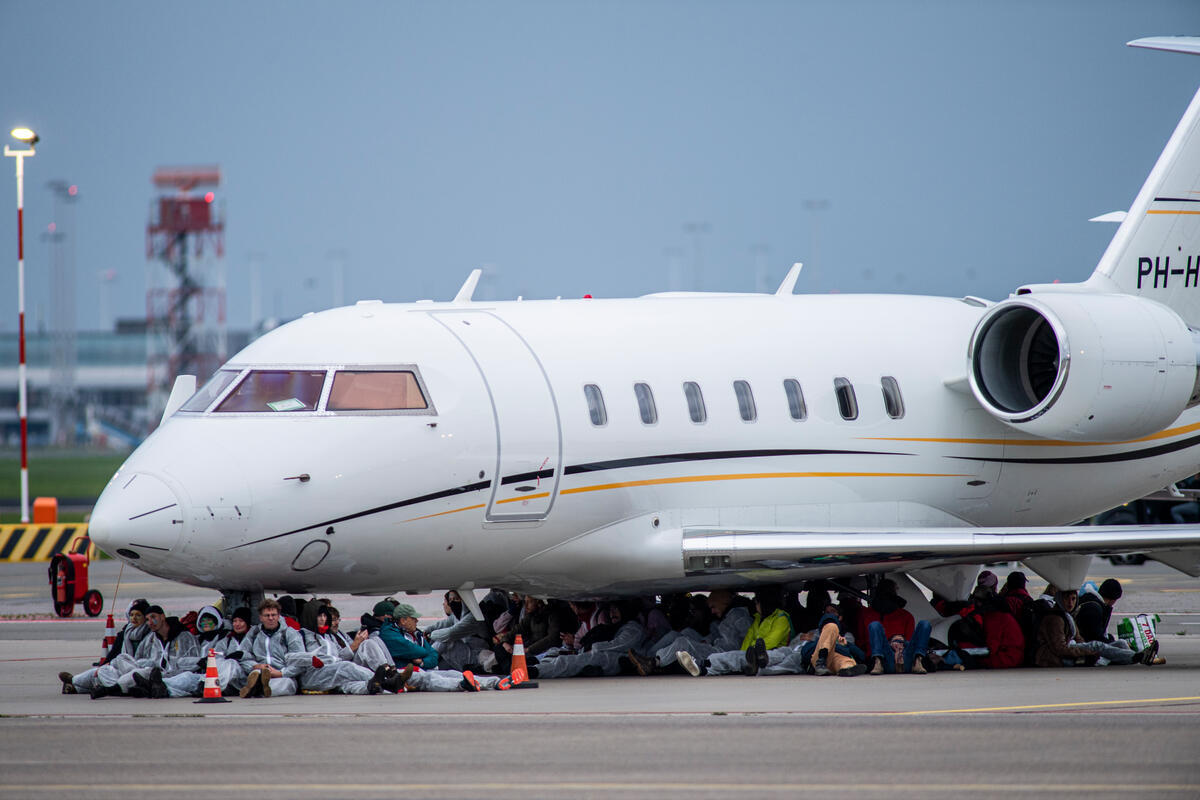
If governments are genuinely worried about fuel shortages and high prices, they should start with the most pointless and polluting uses of oil. Private jets and superyachts are the purest form of luxury emissions: they burn staggering amounts of fuel per person and are used by a tiny elite, while everyone else is told to "tighten their belts".
Jet fuel markets are already strained, and shipping routes have been upended by the war on Iran, driving up marine fuel costs. Restricting or temporarily banning private jets and megayachts, would relieve pressure on fuel markets at the margins, but more importantly it would send a clear signal about fairness: in an emergency, the first flights grounded should be private, not the holiday or family trips of ordinary people. Combined with investments in affordable public transport, rail, and night trains, this is a simple way to show that governments are serious about putting people before luxury emissions.
2. Make public transport free using war‑profit taxes
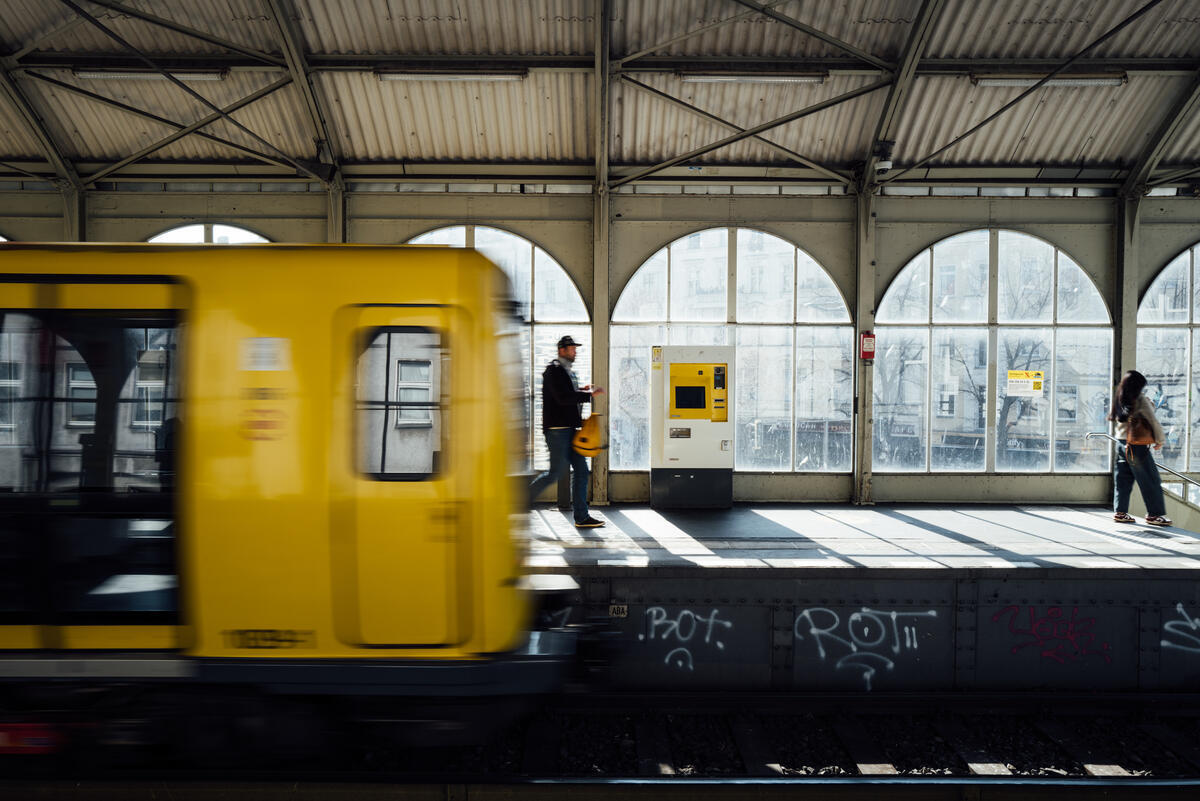
The transport sector is responsible for around 60% of total oil demand globally. If one conflict can send fuel and ticket prices soaring, the least governments can do is make it easier and cheaper for people to move without being held hostage by oil. A bold way to do that is time‑bound free or ultra‑cheap public transport, funded by taxes on fossil fuel war profits.
This is not a fantasy. Spain's free commuter rail, Germany's 9‑euro ticket and Luxembourg's nationwide free transit all showed that cheap or free public transport boosts ridership, cuts car use and lowers emissions, while saving households money. In Brazil, more than 100 municipalities have rolled out Tarifa Zero schemes offering fare‑free buses, and in India Delhi's "pink tickets" policy has made buses free for women, improving safety and access to jobs and education.
A serious windfall tax on fossil fuel companies - whose profits have jumped on the back of the Iran war - together with a permanent global tax on the biggest oil and gas corporations, could raise tens of billions, enough to pay for several years of free buses, trams and trains. That would give people immediate cost‑of‑living relief, provide funds for public transport electrification at scale, and help new habits stick long after the crisis ends.
3. Ban fossil fuel and meat advertising
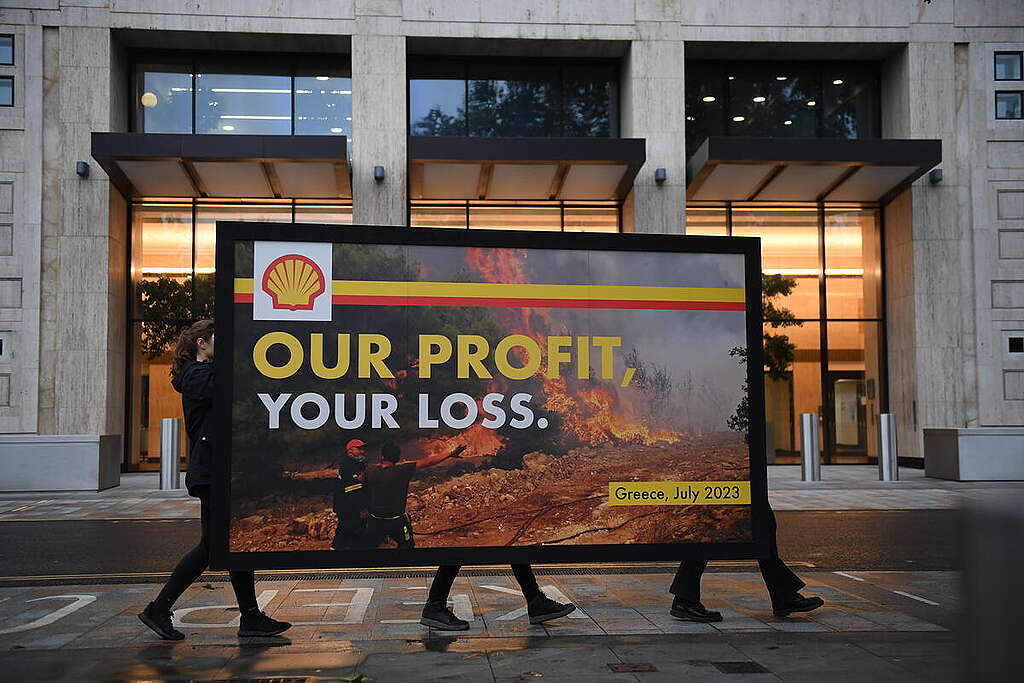
Every time there is a war or energy shock, fossil fuel companies run the same PR play. First they warn of an "unprecedented crisis", then they present themselves as the only grown‑ups in the room, and finally they spend millions on ads about "reliable energy" while lobbying quietly for more drilling, more subsidies and more delays to climate action.
Big meat and dairy corporations use a similar playbook: marketing meat‑heavy diets as "normal" or even "healthy" while relying on highly polluting, methane‑intensive factory farming and deforestation that turbocharge the climate crisis and biodiversity loss. It is time to treat fossil fuel and industrial meat advertising the way the world treated tobacco ads and start phasing it out.
A comprehensive ban on fossil fuel and industrial meat advertising and sponsorship, including oil and gas logos on sports events like the upcoming FIFA World Cup 2026 in the US, Canada and Mexico, cultural institutions, "greenwashing" billboards and social media campaigns, as well as glossy ads that hide how meat giants are linked to forest destruction, land grabs and animal cruelty, would not cut emissions overnight. But it would strip the agribusiness and fossil fuel industries of one of their most powerful tools for buying social licence and political influence. Cities like Amsterdam, which has already moved to ban public adverts for meat and fossil fuels, show that this kind of rule is both possible and popular.
Several cities and regions have already moved to ban or restrict fossil ads. The war on Iran should be the moment to scale that up to national and international level and expand it to cover the most polluting forms of meat and dairy advertising too.
4. Cut plastic, cut oil: shift subsidies to reuse and refill systems
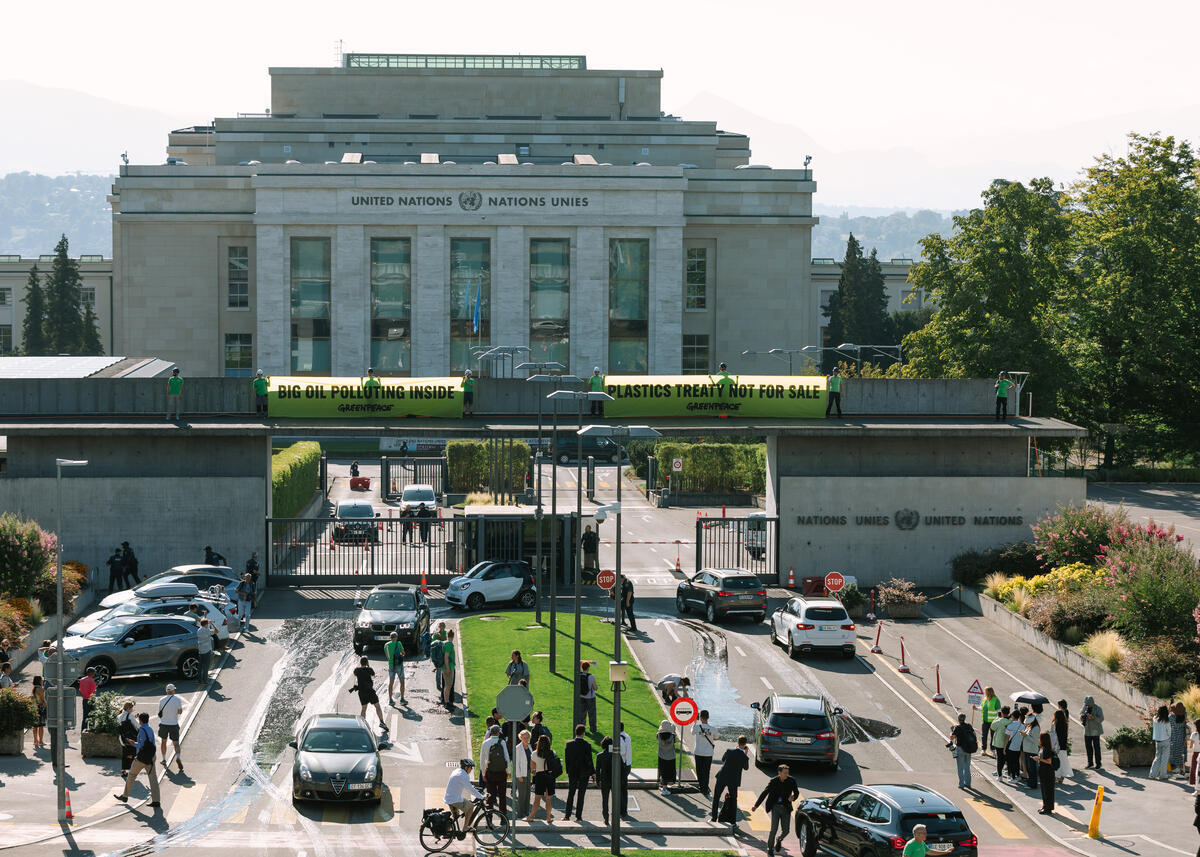
99% of plastic is made from oil and gas, which means the war on Iran energy shock is also a plastic price shock. As fuel and gas prices spike, the cost of everyday goods that are made of plastic or wrapped in it rises too, from food packaging to household products. In Europe, the price of PET plastic used in soda bottles and other food packaging jumped by around 15% in a single year, while polyethylene prices in North America climbed by nearly 30%, piling extra pressure on families who are already struggling with higher bills.
Governments can use this moment to stop pouring public money into petrochemicals and plastic, and instead back reuse and refill systems that cut fossil fuel demand at the source. Redirecting petrochemical and plastic subsidies into community‑centred reuse and refill infrastructure would support plastic‑free, standardised packaging across consumer goods sectors, with local, accessible reverse‑logistics that slash waste, resource use and emissions. Done right, this shift would also create sustainable jobs and reduce people's exposure to toxic chemicals and plastic pollution in their food, water and homes.
This is already starting to happen. In France, a new national, standardised reuse system backed by legislated reuse targets is rolling out reusable glass packaging for popular food and drink products across several regions. Ottawa in Canada is piloting a city‑wide, multi‑brand reuse project for personal and home‑care products, and in Jakarta the Kecipir app links people directly with farmers using zero‑waste packaging. With the right rules and funding, national governments can phase out petrochemical and plastic subsidies, set binding reuse and zero‑waste targets, and empower local authorities and producer‑responsibility schemes to design reuse‑first systems that shorten supply chains, improve access and deliver real benefits to communities.
5. Build a Strategic Battery Reserve
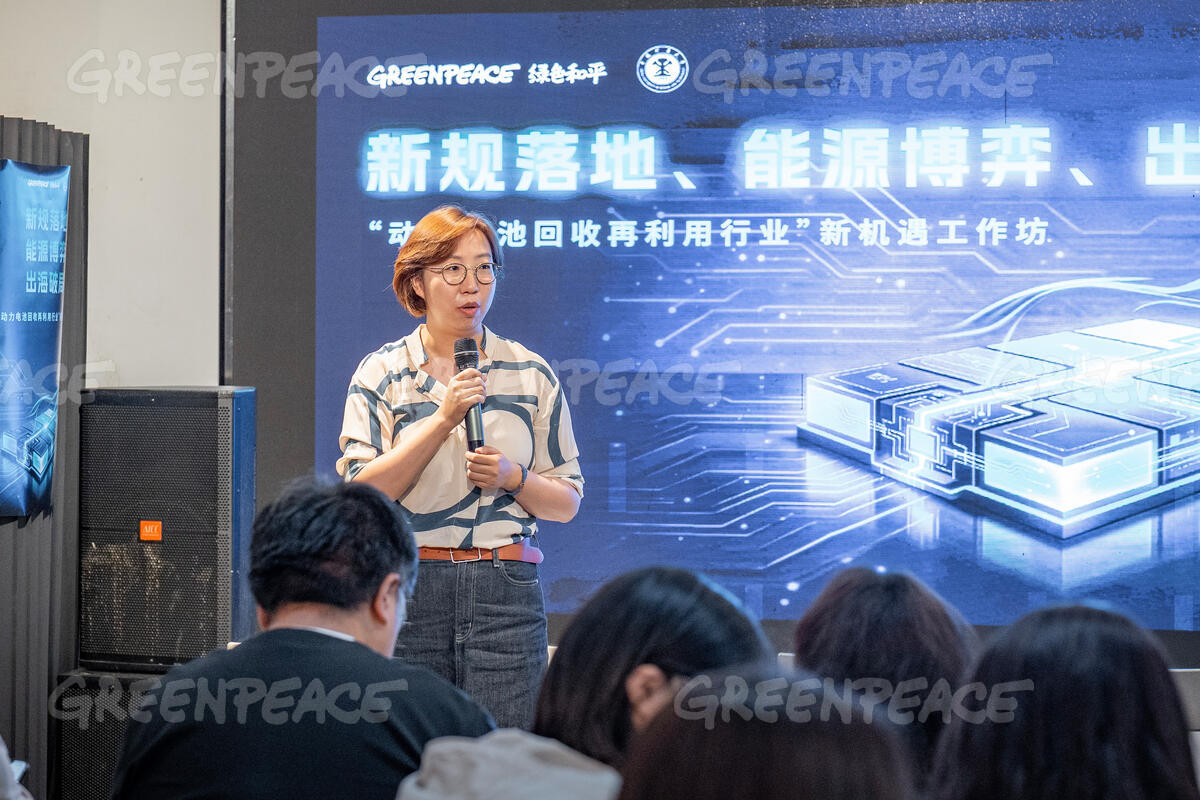
After the 1970s oil crisis, countries like the United States created Strategic Petroleum Reserves, and International Energy Agency (IEA) members agreed to hold at least 90 days of net oil imports in emergency stocks. Fifty years later, the war on Iran is screaming that one of the real security tools we now need is a strategic energy reserve built around renewables and storage, not more fossil fuels.
A Strategic Battery and Energy Storage Reserve would mean a strategic energy reserve connected to the grid, spread across regions, that can store surplus wind and solar power and step in when renewable supplies are disrupted, including large‑scale battery systems in combination with other forms of storage such as pumped hydro, compressed air, thermal storage and flywheels.
A binding requirement on governments to hold a minimum level of grid‑scale energy storage - for example, targets proportional to each country's electricity demand or peak demand, with IEA member countries ramping up from today's levels towards tens of gigawatt‑hours of storage capacity over the next decade - would help keep the lights on during crises, stabilise grids day‑to‑day and provide a guaranteed market that drives storage manufacturing and deployment. Batteries are expected to provide the majority of new storage capacity in clean energy transitions, but other storage options such as pumped hydro have clear cost advantages for longer‑duration storage, and can reduce pressure on energy transition minerals.
Ensuring the use of appropriate battery types can considerably reduce the amounts of key minerals needed, and combining batteries with other storage technologies can further cut material demand. Countries like Spain and Italy already have storage targets, and at recent COP29 UN climate talks a group of governments pledged to increase global storage capacity sixfold by 2030.
China's current "solar surplus" crisis shows what happens when grids and storage fail to keep pace with record‑breaking renewable roll‑out: without enough storage, clean power is wasted instead of replacing fossil fuels. At the same time, Ukraine's experience with decentralised renewable energy during war has demonstrated that distributed solar and storage are a global security imperative, not just a climate solution, and many governments are now looking to learn from and fund this model. This crisis is the perfect reason to go from pledges to concrete storage reserve obligations.
6. Fix food security by breaking fertiliser addiction
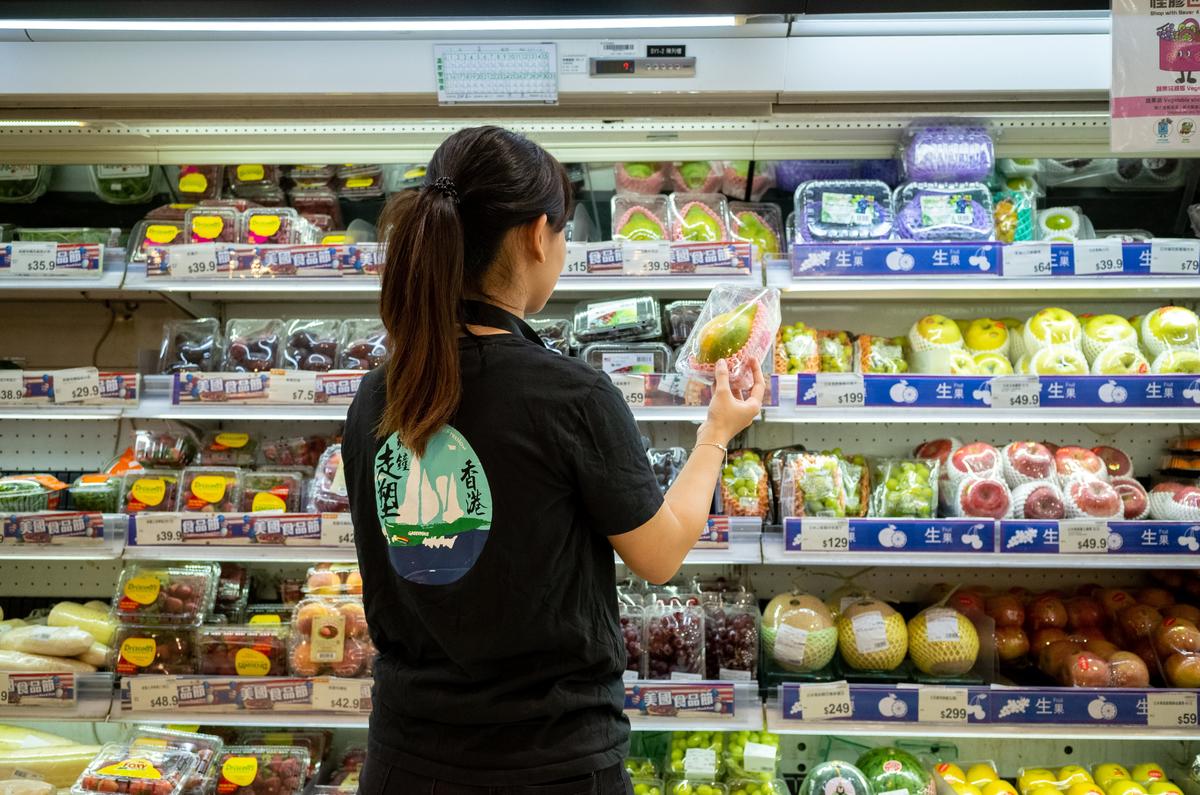
The Iran war has exposed another ugly truth: modern food systems are dangerously dependent on fossil fuels, especially gas‑based synthetic fertilisers. When fertiliser prices spike, farmers struggle to afford them and harvests are threatened, while Big Ag companies report record profits. A real solution is to fast‑track ecologically sound and localised food systems based on food sovereignty and resilience, shifting to agroecology and fossil‑free farming capable of surviving external shocks, either climactic or geopolitical. Agribusiness lobbyists use "food security" rhetoric to demand deregulation and subsidies whenever prices rise, even as fertiliser giants pocket windfall gains from crises like this one.
Instead of bailing them out, governments should foster food sovereignty and support farmers to cut synthetic fertiliser use, expand crop rotations, cover crops and nitrogen‑fixing plants, cap factory farming and prioritise food over animal feed, while investing in local, ecological food systems.
Public food stockholding and smart supply‑management tools can be more immediate actions that can stabilise prices, while emergency support goes directly to low‑ and middle‑income families, not corporate balance sheets.
Why these ideas matter
On their own, none of these ideas will end the war on Iran or dismantle the fossil fuel system that made it so dangerous. Together, though, they point to a different kind of crisis response: one that protects people first, makes war profiteers pay, and treats renewables, public services and ecological farming as essential defenses, not optional extras.
The last 100 days have shown that making the world dependent on fossil fuels is a recipe for permanent instability and economic disruption. The next 100 days should be about doing something bolder than tinkering with tax rates and releasing a few more barrels of oil from emergency caverns.
The tools to build a fair, renewable‑powered, war‑resistant economy are already here. The question now is whether political leaders will finally use them.
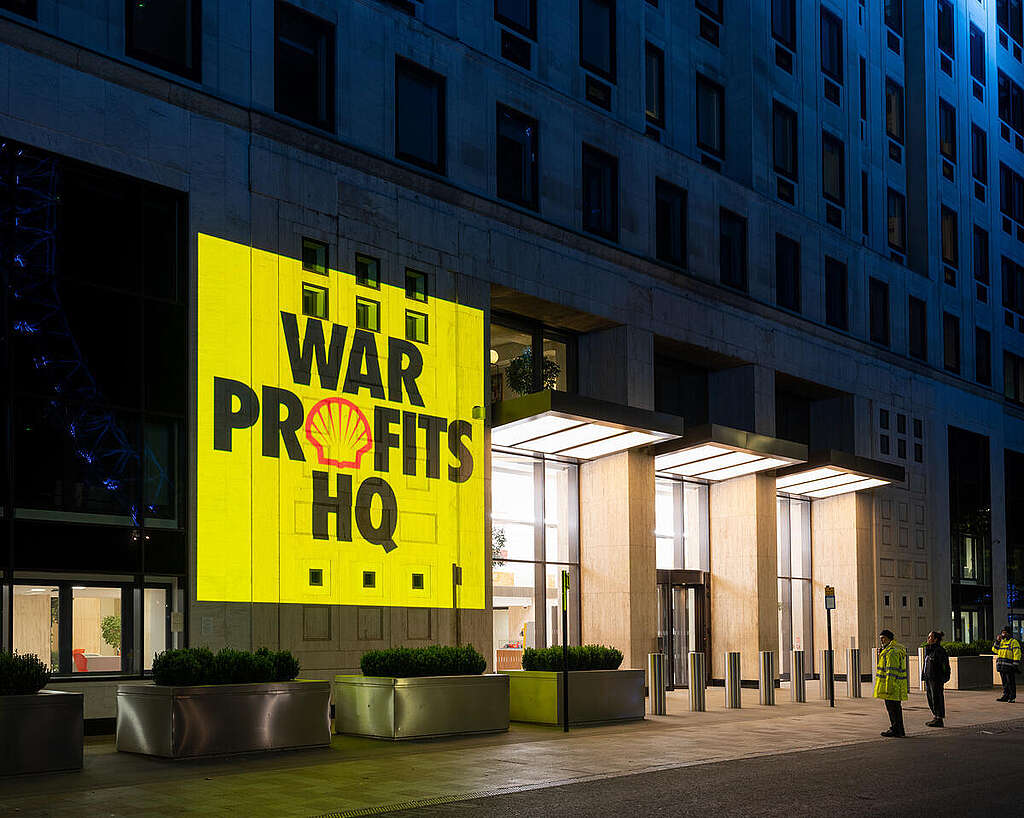
Tax fossil fuel profits to support communities hit by disasters and invest in energy independence.


