
Before sunrise, Christina Santos woke to the sound of her son, Andrew, vomiting in the bathroom.
The 17-year-old from Clovis, California, loved gaming, fantasy football, and playing basketball with friends. He was preparing to graduate from high school and planned to enroll in community college later that day. But now, he sat hunched on the floor, clutching his head in pain. She bundled him back into bed.
"Andrew, are you okay?" He didn't answer. "Buddy, if you're joking with me," she coaxed, "I need you to tell me."
Suddenly, he gasped for air - then went horrifyingly still. Andrew was rushed to a local Central Valley hospital.
"The best place for him is UCSF Benioff Children's Hospital," Christina recalls the neurologist there saying. "We're getting a helicopter."
Each year, more than 400 children are airlifted to UCSF Benioff Children's Hospitals for specialized care. The facilities in Oakland and San Francisco treat every child, regardless of ability to pay; about 60% are covered by Medi-Cal.
From deadly darkness into light
In 2018, Andrew suffered a hemorrhagic stroke when a blood vessel in his brain ruptured, becoming one of about 5,000 U.S. children who experience a stroke annually, some just days old. About 1 in 10 die, and of those who survive about 60% are left with disability. The stakes are higher for children treated outside of pediatric hospitals, where specialized care reduces the risk of death.
Two decades ago, childhood stroke was virtually unstudied. Now, UC San Francisco research has helped bridge the gap. Federal funding enabled UCSF neurologists to propel the field from one of obscurity to one of burgeoning hope with new tools and models to care for families and children. They revealed the scope of the problem, its hidden causes, ways to predict it - and how best to treat the condition, even in the tiniest of patients.
Federal research dollars bought children with stroke a future: Nearly 40% fewer toddlers die today from the condition than in 1980. Stroke deaths among children ages 5 to 14 have dropped by about 10%.
In 2026, the American Heart Association released the first national guidelines to address early stroke management in children, partly based on work done at UCSF. The guidance marks a historic step towards ensuring that every child can access the best, evidence-based care.
One of the first pediatric stroke programs in the U.S
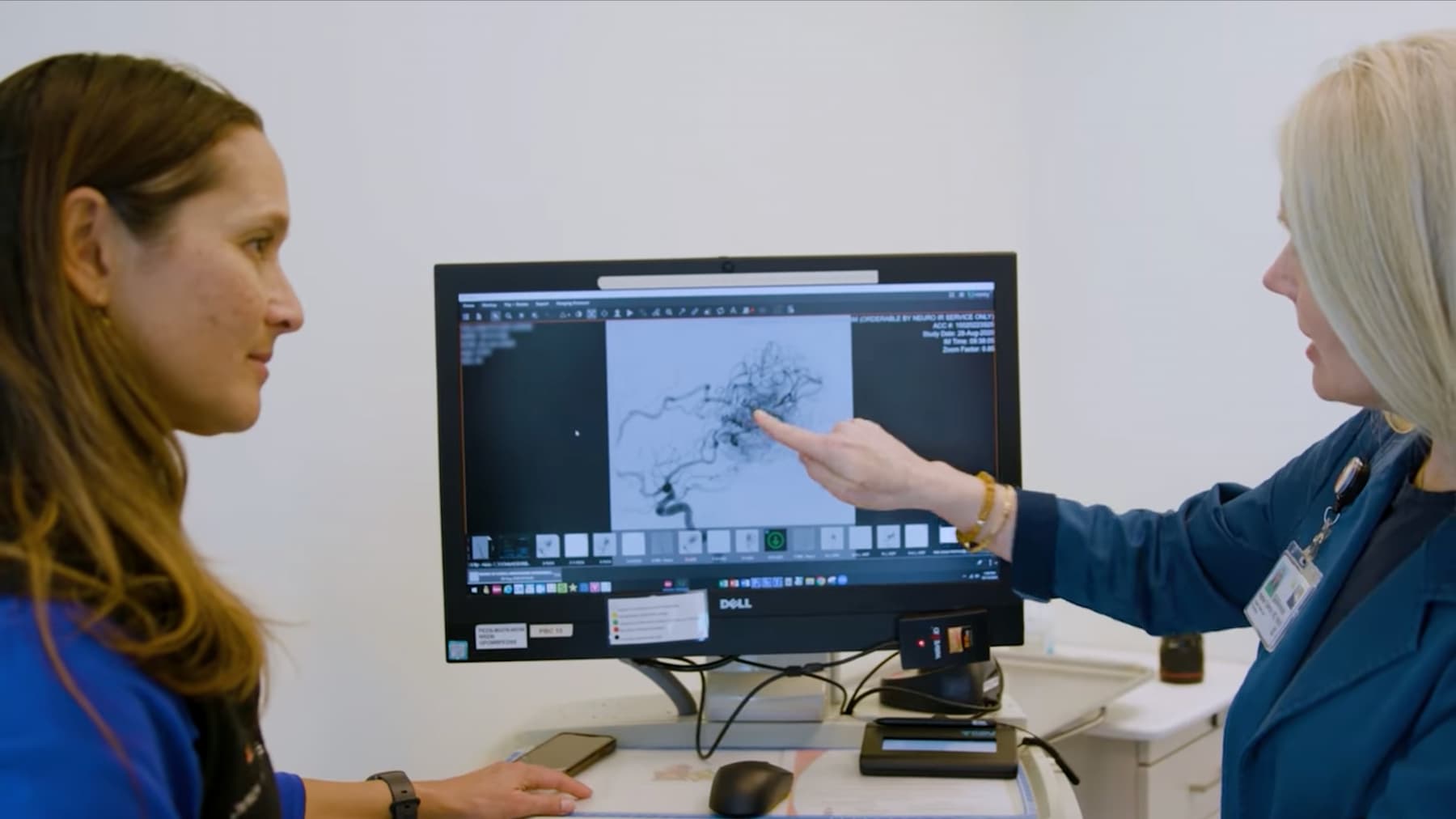
At UCSF Benioff San Francisco, Andrew was rushed from the helipad into the waiting care of what Christina says felt like two dozen clinicians, including hematologists, radiologists, and pediatric neurologists like Professor Christine Fox , MD, MAS.
Fox sat down next to Christina in the hallway outside intensive care and took her hand: "I just remember her saying, 'We're going to do everything we can.'"
Pediatric stroke specialists like Fox were virtually nonexistent 20 years ago when her Chief of Child Neurology Heather Fullerton , MD, MAS, was a UCSF resident.
"Children with stroke were falling into this gap between stroke providers who didn't treat children, and child neurologists who were uncomfortable with stroke," recalls Fullerton, who is also the Kenneth Rainin Chair in Pediatric Stroke Care at the Weill Institute for Neurosciences . "There was virtually nothing written on the causes or treatment for childhood stroke."
Fullerton, already a physician, completed fellowships in both child neurology and adult stroke -a training pathway unheard of at the time. Then, in 2003, returned to school, earning a master's degree in clinical research from UCSF.
"I needed research training to answer these questions about how we should be taking care of these children," she said. "And I simultaneously established the UCSF Pediatric Stroke and Cerebrovascular Disease Research Center , one of the first pediatric stroke programs in the U.S."
Inspired by Fullerton as a UCSF medical student, Fox also became a dual-board certified child neurologist and vascular neurologist to join the Pediatric Stroke Center.
Not mini versions of adult strokes
Fullerton worked with former UCSF Neurology Professor Clay Johnston, MD, PhD, and others to produce the first reliable estimates of childhood stroke in America, uncover risks and disparities, and reveal how to predict recurrences. Federal funding allowed Fullerton to conduct some of the world's largest pediatric stroke studies, confirming suspicions that common infections like flu and pneumonia increased children's risk of stroke, although still rare. Vaccination, the research posited, could be protective.
Strokes in children, UCSF physician-scientists proved, were not just mini versions of those in adults. With support from Marc and Lynne Benioff, Fullerton went on to launch the International Pediatric Stroke Organization, a nonprofit dedicated to improving the lives of children with cerebrovascular disease through research, education, and advocacy.
In 2026, the American Heart Association added pediatric stroke to its early stroke management guidelines for the first time ever. It was based on seminal work by Fullerton and others at UCSF. The guidelines, spurred in part by the International Pediatric Stroke Organization's advocacy, marked a historic first step toward standardizing care, enabling every child to be diagnosed faster and receive the best, scientifically backed medical treatment.
Today, Fullerton leads the first National Institutes of Health-funded multicenter trial for pediatric stroke prevention, which tests a treatment for the most common cause of ischemic strokes in otherwise healthy children.
"We not only try to provide the best possible care for children here within our own community here in California," Fullerton explains, "but we also feel a sense of responsibility for kids with stroke nationally and around the world."
Surgery relieved Andrew's brain swelling
Andrew's stroke was caused by an arteriovenous malformation, or AVM. AVMs are blood vessels that have grown into a tangled clump, short-circuiting brain blood flow.
"Some people are born with them or have certain genetic conditions that might prompt them," explains Fox, who leads studies about how strokes affect children as they grow with funding from the National Institutes of Health (NIH) and the American Heart Association. "For Andrew, we think he probably had his AVM from very early on, but it didn't cause any serious symptoms until it bled - and that's often how kids first find out they have an AVM."
About half of childhood strokes are hemorrhagic, most often prompted by an AVM. Still, hemorrhagic stroke and AVMs are relatively understudied. Many hospitals nationally may only see one or two cases like Andrew's each year. UCSF's dedicated pediatric stroke research focus results in its hospitals seeing dozens, meaning clinicians are well-versed in treating this kind of stroke.
Within 48 hours of arriving at UCSF, neurosurgeons operated to relieve swelling on Andrew's brain, and, weeks later, successfully extracted the AVM in a six-hour surgery. The stroke initially left Andrew unable to speak and partially paralyzed, but with rehabilitation, he was able to talk and walk again.
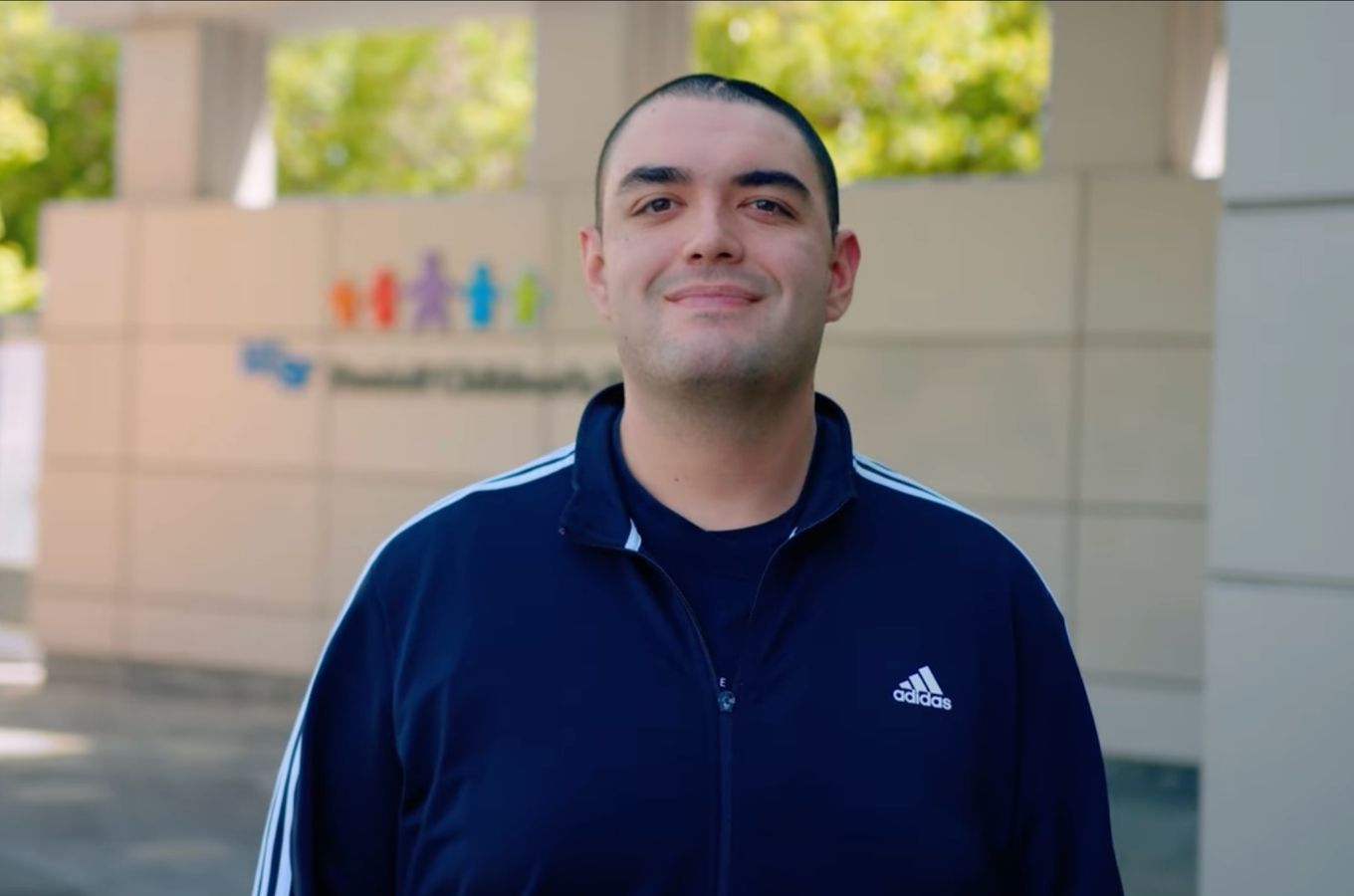
Now in his 20s, Andrew and his family have become pediatric stroke advocates.
"My experience at UCSF inspired me to give back," he says. "I just try to help everyone who's learning about this, so maybe it doesn't happen to someone else."
Fox and Fullerton - alongside Anesthesia Professor Helen Kim , MPH, PhD, and Radiology Professor Pratik Mukherjee , MD, PhD - are currently running the first major study of pediatric hemorrhagic stroke, with a special focus on AVMs. The research will use imaging, blood tests, and an international registry. Their aim is to better understand what puts kids at risk how it affects the brain, and how to improve treatment.
Andrew donated his AVM tissue to the study.
"Research is an extension of being a good doctor," Fullerton says. "To me, when we take care of children with rare diseases like pediatric stroke and these other pediatric stroke disorders, it's not enough to do the best we can with the knowledge that we currently have; we have to continue to push to know how to do better - and that starts with life-saving science."
Childhood Stroke - 25 Years of Breakthroughs and Milestones
2002
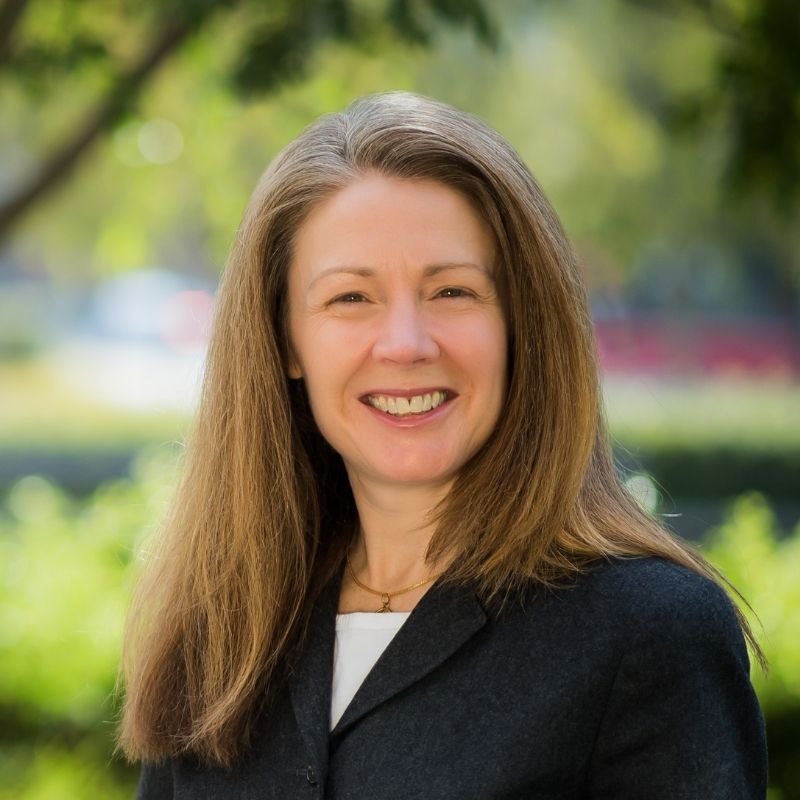
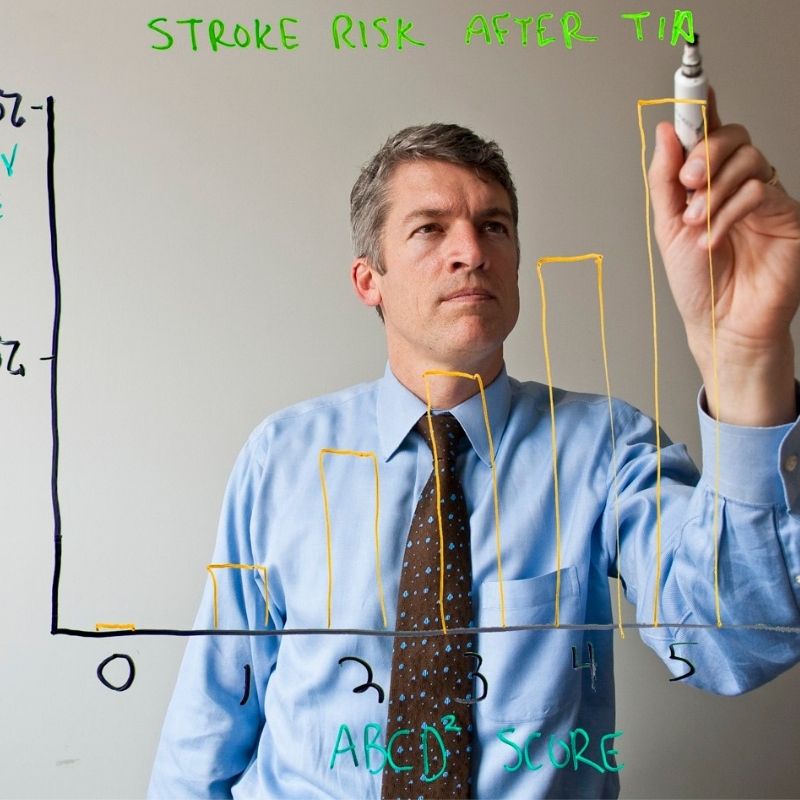
Neurologists Heather Fullerton, MD, MAS, and Clay Johnston, MD, PhD, create the first U.S. childhood stroke dataset, uncovering higher risks among boys and Black children and in the South's "Stroke Belt."
2003
Fullerton launches the UCSF Pediatric Stroke and Cerebrovascular Disease Center, closing the clinical gap between child neurology and adult stroke. Soon after, she founds the UCSF Pediatric Stroke Research Center, one of the first in the nation.
2009
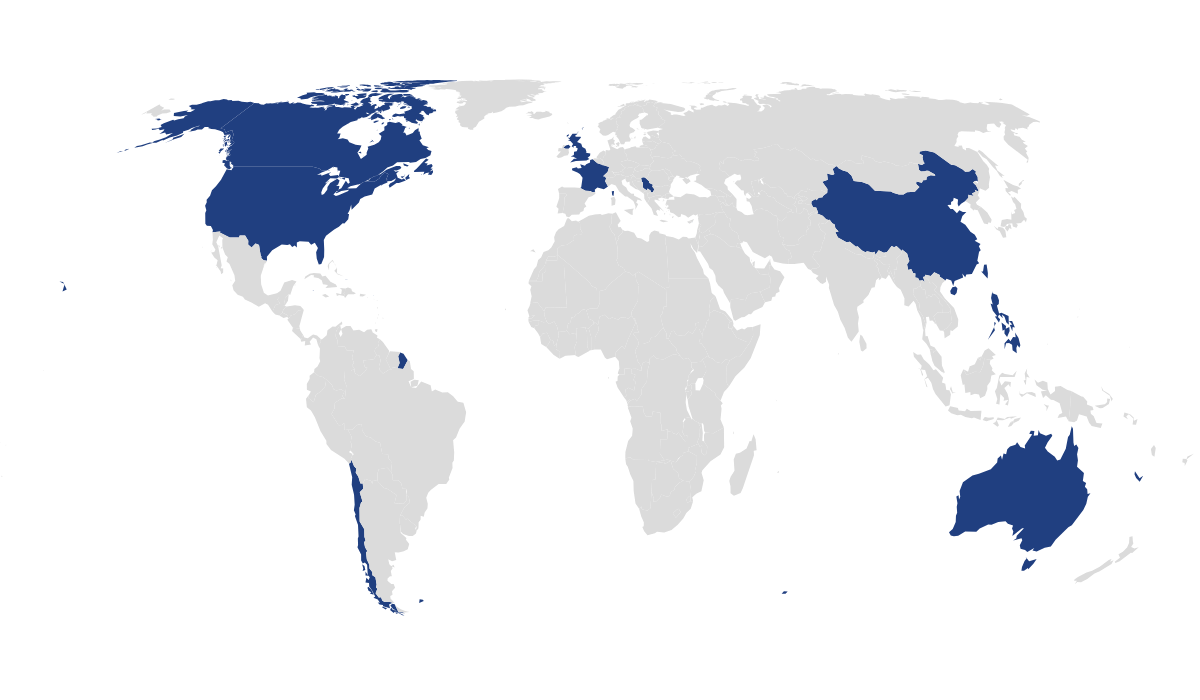
With NIH funding, Fullerton conducts one of the first major global childhood stroke studies across five continents. It finds that common infections like flu, colds, and pneumonia can raise stroke risk - and suggests that vaccination may help reduce it.
Map showing countries where pediatric stroke studies were conducted. Countries include the United States, Canada, Australia, Philippines, Chile, the United Kingdom, France, Serbia, and China.
2012
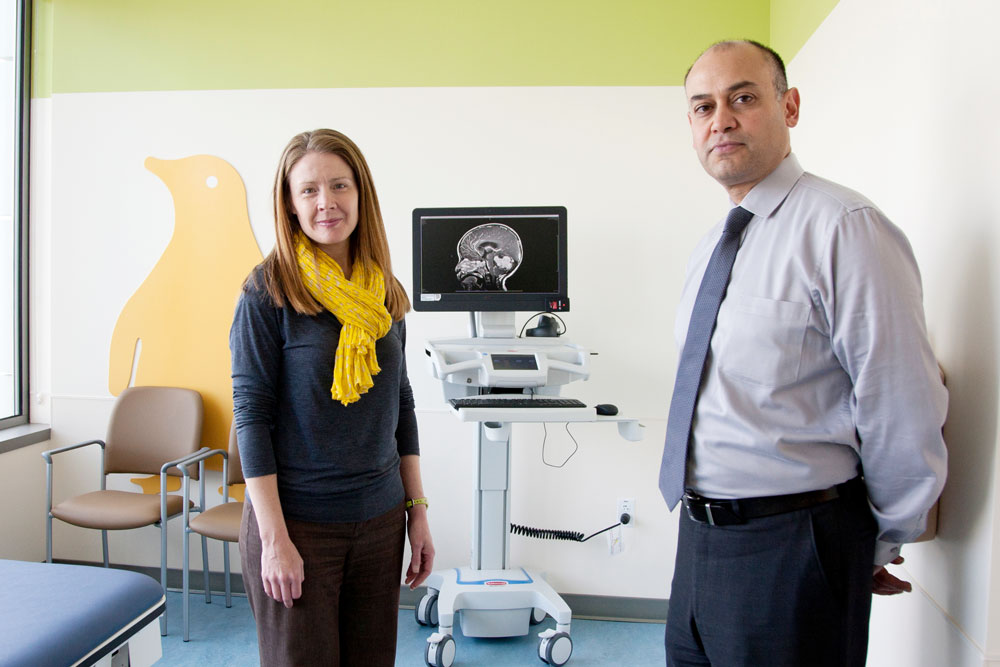
Fullerton and Nalin Gupta , MD, PhD, the Dennis Bruce Dettmer Endowed Chair in Pediatric Neurosurgery, establish the Pediatric Brain Center , providing families with one-stop care.
2019
Fullerton launches the International Pediatric Stroke Organization, a nonprofit aimed at improving the lives of children with cerebrovascular research through research, education, and advocacy.
2023
The U.S. logs a nearly 40% reduction in stroke deaths among toddlers over the last 20 years, thanks to federally funded research. Deaths among children ages 5 to 14 drop by about 10%.
2026
After UCSF advocacy through IPSO, the American Heart Association and American Stroke Association released the first national stroke guidelines to include stroke in children.


