
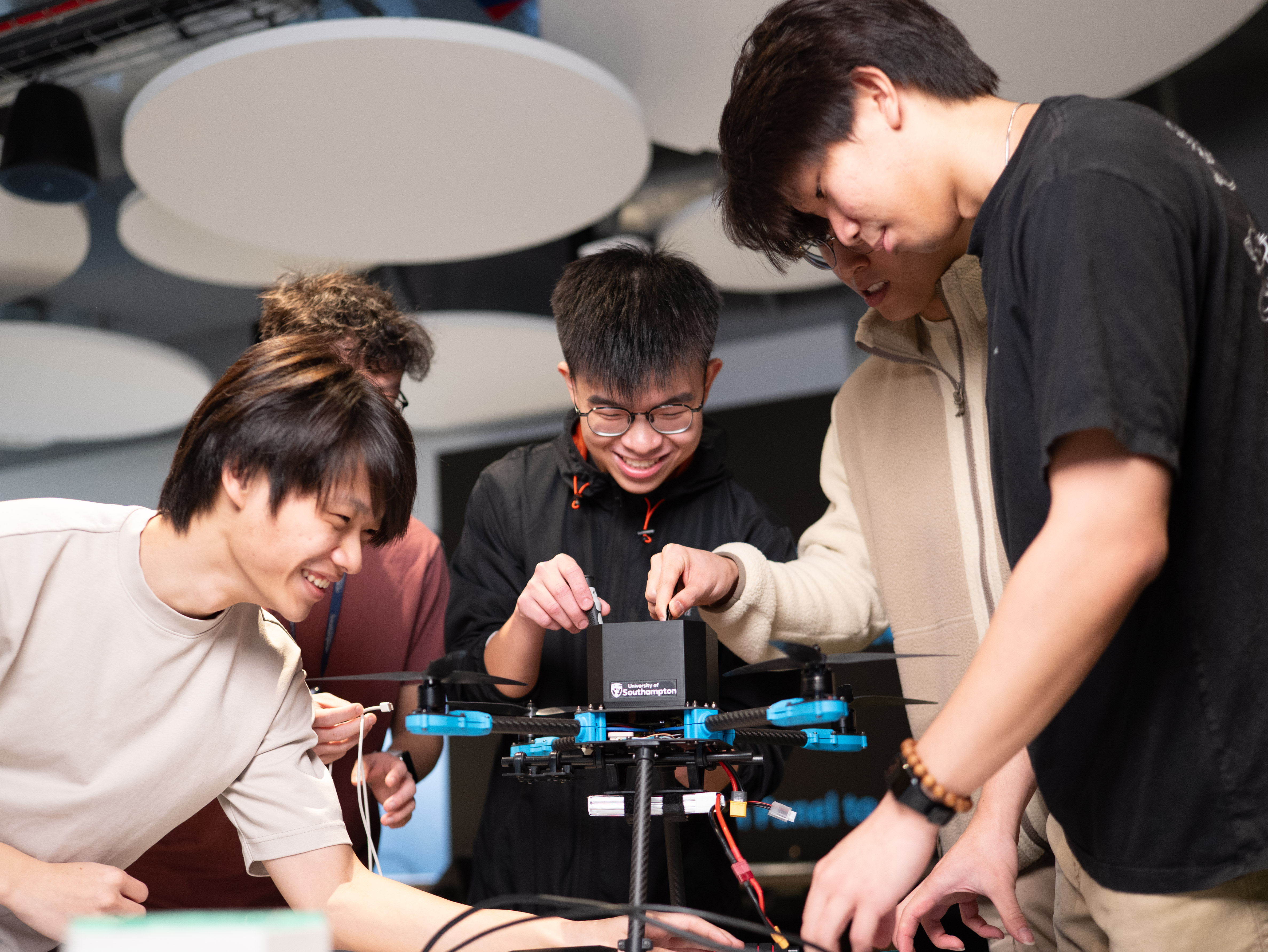
Student engineers at the University of Southampton have achieved a breakthrough that could set the standard for trust for autonomous systems.
In a live flight demonstration, an autonomous drone recorded key operational and sensor data in real-time onto the blockchain, creating a secure and tamper-proof record of its activity.
The blockchain verification system acts like a digital, distributed black box. It uses Minima's blockchain protocol to record flight data on a secure digital ledger.
Every device in the network runs a full blockchain node. Data is stored locally but everyone on the network can verify the recorded data, making it tamperproof.
As artificial intelligence and autonomous systems move rapidly into everyday life, regulators, insurers and the public urgently need confidence that machines are operating safely as intended.
This is the first time a full verification system of this kind has operated during live autonomous flight on such constrained hardware.
The project brought together academic research with expertise in distributed systems and semiconductor design, working alongside global industrial and chip technology ecosystems including Arm and Siemens.
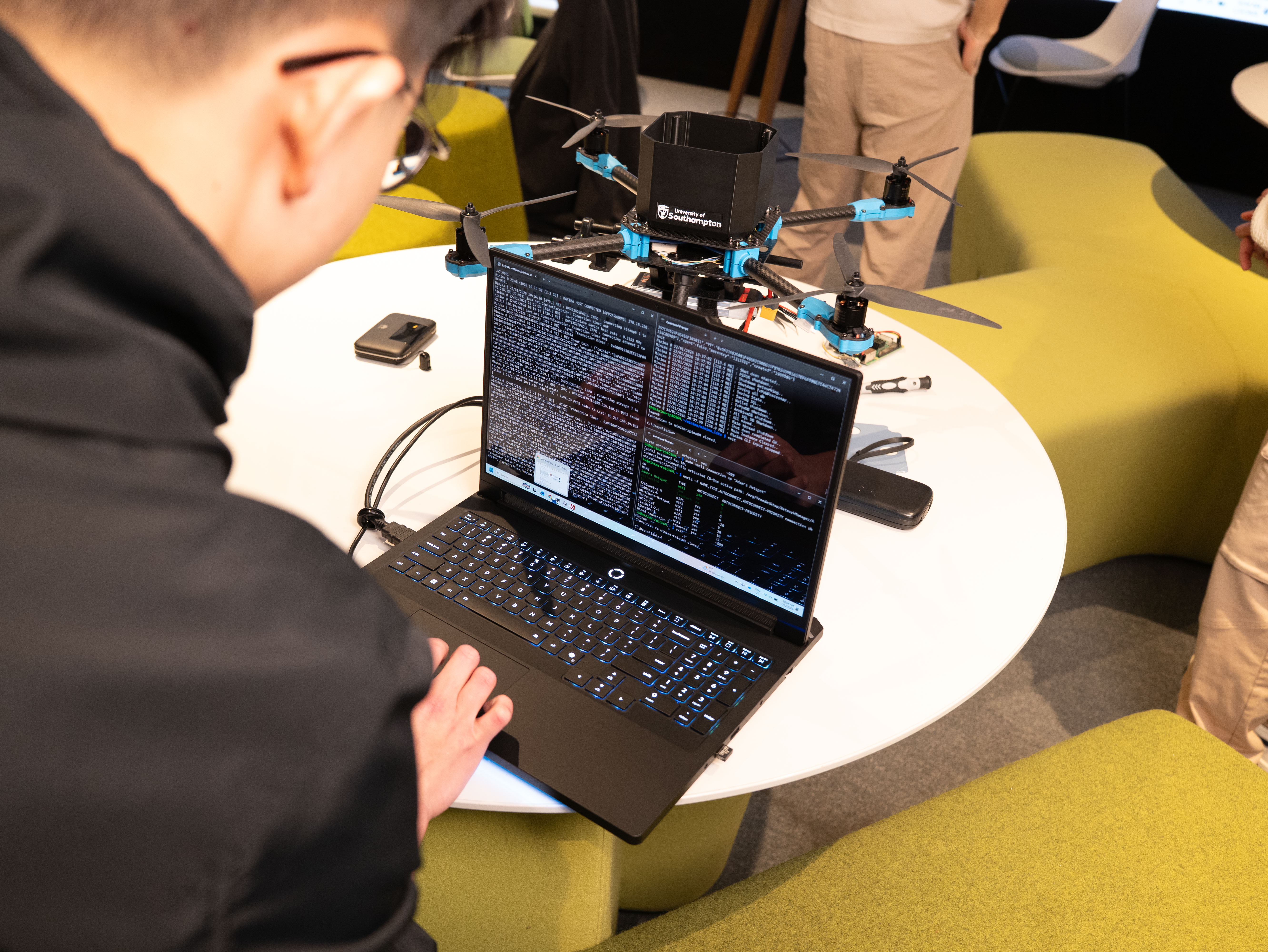
Until now, most systems have relied on cloud servers or central databases to record activity. That approach relies on stable connectivity and external oversight.
The Southampton demonstration shows that intelligent machines can independently create secure records at the point of action, even in demanding real-world conditions.
Engineering student Yi Cherng Tan, who led the team, said: "The test was a huge success. It's been fantastic to work with industry partners like Minima on cutting edge technology that could play a huge role in shaping how the internet of things and other next generation technologies progress."
The drone was chosen deliberately to showcase the technology. Flight places extreme pressure on onboard computing systems due to vibration, movement, limited power and variable signal strength. Despite these challenges, the verification system remained fully operational throughout the mission.
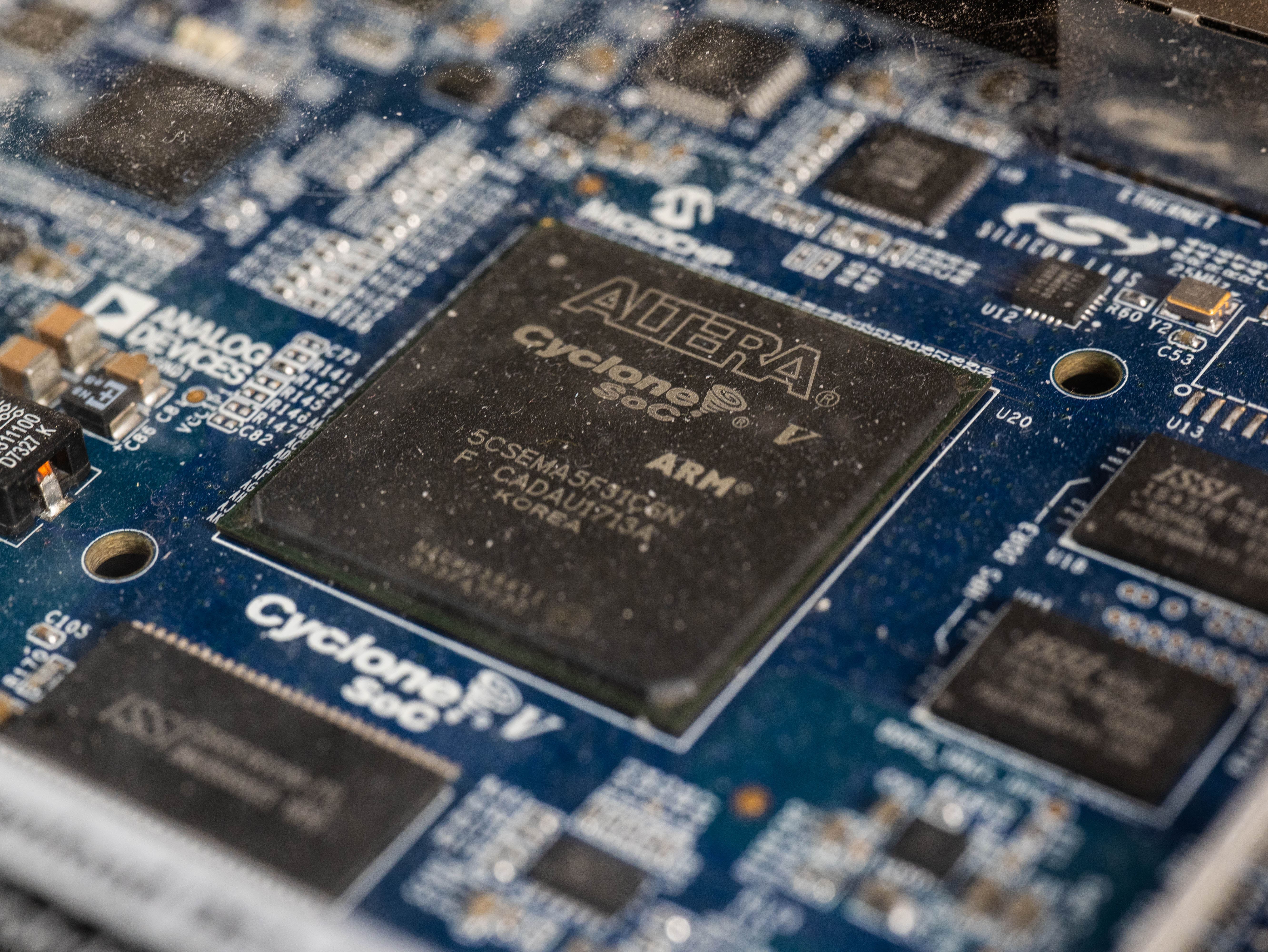
One of the project's key breakthroughs was showing that Minima's compact blockchain can run directly inside a microprocessor system-on-chip. By moving the technology from software into hardware, the team achieved performance gain of 500x and energy efficiency gains of up to 10,000%, opening the door for blockchain security to run inside everyday autonomous machines.
If this level of secure recording can function during live flight, it can be applied across a wide range of industries.
Future applications include autonomous vehicles that generate verifiable driving records, industrial robots that prove compliance with safety standards, energy systems that provide transparent operational data, and defence platforms that maintain secure audit trails.
The same approach can be applied to AI systems to demonstrate how decisions are made. The Integritas platform creates a timestamp on Minima blockchain that enables the log of the data to be searchable.
It provides proof of accountability for regulators, auditors and businesses - a key requirement of the EU AI Act which comes into force this year.
By combining advanced hardware engineering with secure distributed verification, the work positions the United Kingdom at the forefront of an emerging global field focused on trusted infrastructure for autonomous and AI enabled technologies.
As governments around the world develop new frameworks for AI safety and machine accountability, the ability to embed secure proof directly into devices could become a defining standard for future regulation.
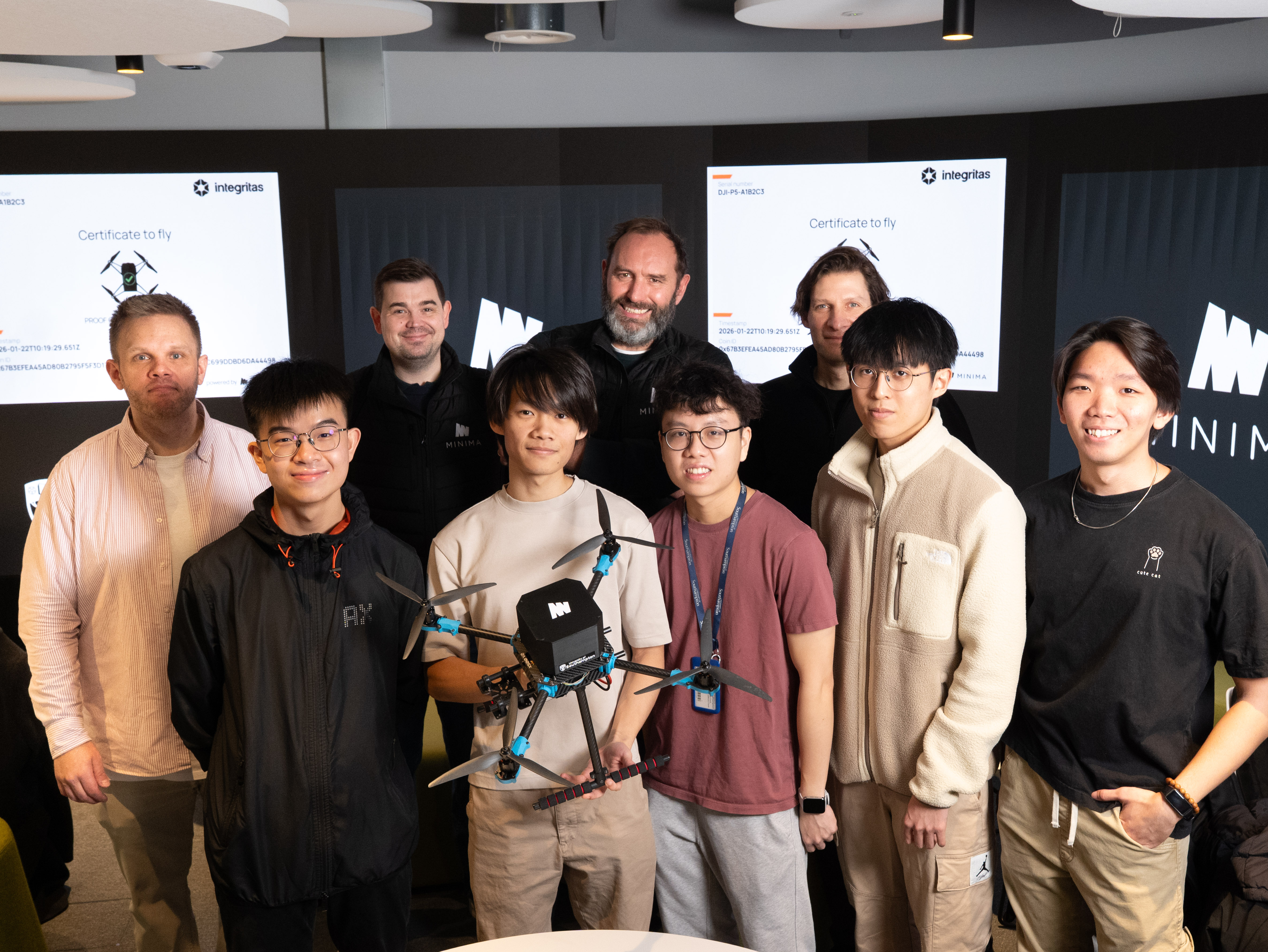
Dr Ivan Ling , project supervisor at the University of Southampton, said: "This project shows that trusted verification can move from remote servers into the hardware of autonomous machines themselves. As intelligent systems become more common in public and industrial environments, the ability to independently prove what a machine has done will become essential for safety and public confidence."
Adam Feiler, Head of Partnerships at Minima, said: "Running a full verification system on low power hardware during live drone flight is a major milestone. It demonstrates that secure decentralised technology can operate directly within autonomous systems, not just in data centres."
Paddy Cerri, Chief Architect at Minima, said: "Operating reliably under strict power limits and changing connectivity conditions shows that distributed verification can work in real world autonomous environments. This opens the path toward embedding secure verification into the next generation of connected devices."
The project was completed within a single academic semester by the student engineering team. Following the successful flight trials, research and industry partners are now working to advance the technology toward wider deployment across autonomous systems, industrial IoT and secure machine to machine communication.
The demonstration represents more than a successful drone test. It signals a future in which intelligent machines do not simply operate but can prove what they have done.


