
We are almost halfway through the year, events both positive and negative rock the world. Environmental issues have never been separate from politics, economics, or human rights, and this year has underscored how deeply they are interconnected. The realities of war, attacks on activism, waste from fast fashion, environmental resistance, and the accelerating impact of the climate crisis cannot be ignored. There is no better time to come together as communities to seek accountability, and as countries to transition to green energy, than now.
To help you stay up to date with everything you might have missed since the beginning of the year, here's a list of some of the most read pieces on our website so far in 2026.
War and the environment
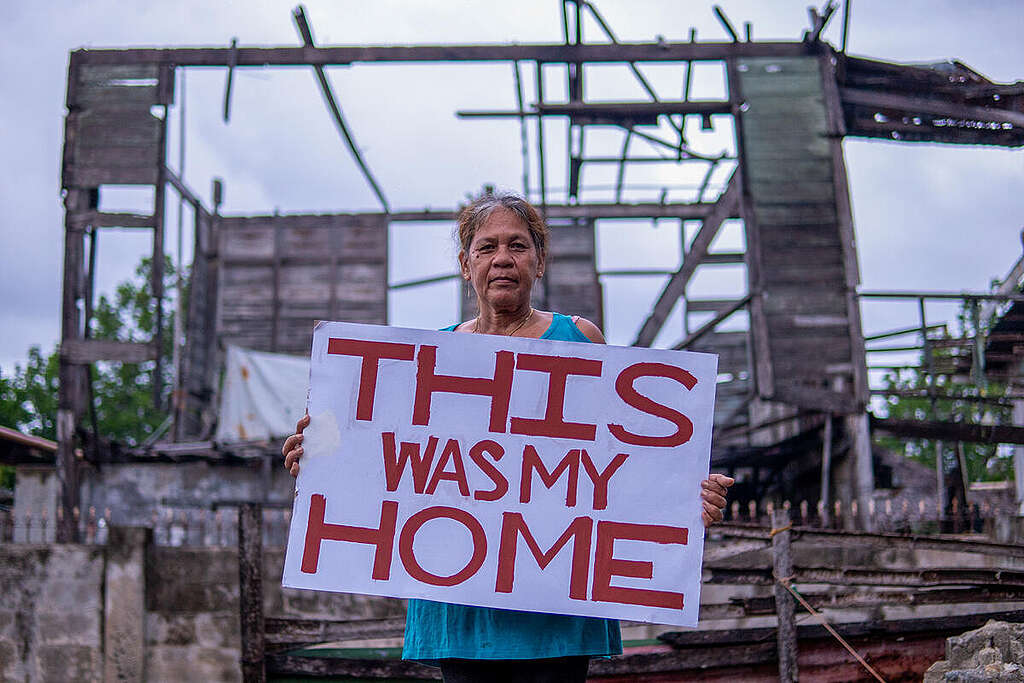
As wars rage on in Ukraine, Gaza, Iran, Lebanon, Sudan and the Democratic Republic of Congo, it is clear that conflict is not only an immediate human tragedy, marked by bombardments, forced displacement, famine, sexual violence and constant terror, but also an environmental one, with impacts on public health, ecosystems and the climate that extend far beyond the frontlines and can leave entire regions uninhabitable for decades after the weapons fall silent.
Readers engaged deeply with how the US-Israel war on Iran and how war and conflict are destroying the environment and how oil tankers stuck in the Strait of Hormuz south of Iran threatens the Gulf ecosystem with the potential to leave ecological destruction that could last generations. These pieces highlight how war accelerates climate vulnerability while disrupting communities already facing environmental injustice.
Why nuclear power is not the way
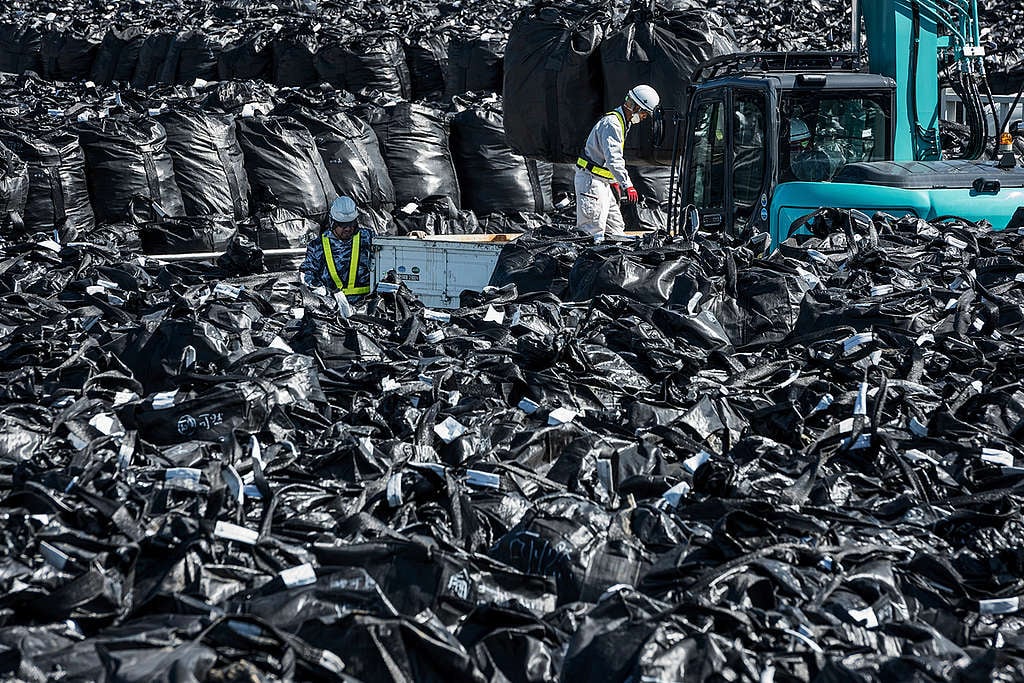
Nuclear power is often hailed as a magic bullet solution for the rapid and large-scale decarbonisation of our societies which we all know needs to happen if we have any hope of mitigating the worst effects of the unfolding climate emergency. Here are six reasons why nuclear power is not the way to a green and peaceful zero carbon future.
A just and green transition is possible
Coverage around renewable energy and the green transition also ranks highly among our audience. Readers are drawn to stories exploring what a fair and just transition could look like. As countries debate how to move away from fossil fuels, here is a visual journey into China's green transition.
"We Will Not Be Silenced" - environmental activism in the courts
The past two years have seen many climate justice cases at the courts. The surge of climate cases in front of local and international courts and tribunals is only increasing, and the courts are making pivotal decisions.
As climate movements gain momentum globally, lawsuits and political pressure against campaigners have also intensified. A key corporate intimidation tactic is a type of predatory lawsuit known as a SLAPP - Strategic Lawsuit Against Public Participation. US pipeline giant Energy Transfer has been waging repeated abusive SLAPP lawsuits against Greenpeace in the US and Greenpeace International for nearly a decade. Big Oil companies Shell, Total, and ENI have also filed SLAPPs against other Greenpeace entities in recent years.
The legal fight continues. In February 2026, a North Dakota District Court returned a US$345 million judgement against Greenpeace in the US and Greenpeace International. The Greenpeace entities continue to pursue justice, filing a motion for a new trial and, if necessary, appealing to the North Dakota Supreme Court . This is What a US$ 345 million judgment means for Greenpeace.
Fast fashion and consumerism
Fast fashion will never be green, and here are 4 reasons why.
Fast fashion's impacts on people (consumers and workers) and the environment have become harder to hide. But fast fashion brands continue to greenwash instead of acknowledging that their business model is inherently destructive and making the necessary changes. The interest in these articles suggests a shift, forget about the price tag, this is the hidden cost of fast fashion.

The fashion industry has a massive plastic problem that it outsources to countries in the Global South, where textile waste pollutes the environment. Ghana is one of the world's largest consumers of second-hand textiles. A good 120,000 tonnes of second-hand clothing from Asia, North America and Europe end up in the West African country every year. More than half of the clothing is inferior disposable goods with no resale value – much of it is made of plastic.
Environmentalism – for the people and planet
In 2025, Greenpeace scientists and specialists from the Radiation Protection Advisors team embarked on a six-week tour on-board the Rainbow Warrior, Reflections from a Greenpeace nuclear specialist highlights one of the most disturbing chapters in human history in the Marshall Islands.
Since 2018, this article on a brief history of environmentalism by Rex Weyler reflects on the roots of activism, environmentalism, and Greenpeace's past, present, and future.
Speaking of the future, the AI boom is being sold as inevitable progress, but the real question is not whether artificial intelligence can do useful things in theory. It is who owns it, who profits from it, what it is mostly being used for, and who pays the environmental and political bill when the hype turns into microchip manufacturing plants, data centres, rising power demand, water stress, surveillance and attacks on democratic life. This blog on the energy and environmental impact of AI and how it undermines democracy highlights just that.
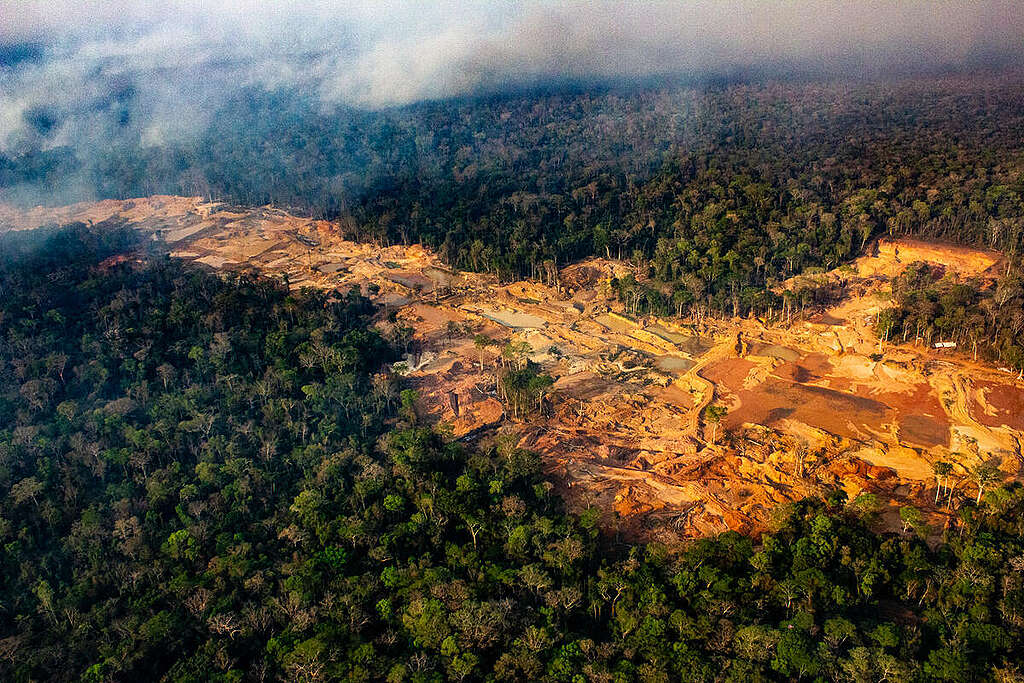
Deforestation and industrial livestock agriculture expansion continue to tear down forests, land and water resources. The Amazon Forest is home to 10% of all known species of animals, these animals face an uncertain future. Here's a definitive guide to the animals of the Amazon Rainforest who rely entirely on the rainforest for food, protection, and life itself.
Deep in the oceans, the threat of deep sea mining compelled Pelenatita Kara, the National Deep Sea Mining Coordinator for the Civil Society Forum Tonga, to write a letter to Gerard Barron, CEO of The Metals Company, the frontrunner company in starting deep sea mining in the Pacific Ocean. She confronts the CEO on his total lack of regard to human and business integrity, locking my country in a difficult financial position and opening it up for exploitation
Plastics, climate crisis and community action
Unsurprisingly, what science says about microplastics and chemicals in ready meals ranks among the most-read pieces, this piece details what science says around reheating plastic food containers and the long-term human health impacts.
Not all hope is lost, communities are organising, organisations collaborating to resist and bring polluters to account and unmask the real faces behind corporations playing with our lives in the shadows.
In true Greenpeace spirit we remain committed to bearing witness and exposing environmental injustice through the images we capture. Every week, we highlight our favourite images from Greenpeace work around the world, through the Greenpeace Pictures of the week segment.
The climate crisis is a present reality, these articles reflect the intersectionality of climate impacts across health, resources, weather and our collective future. Governments aren't acting fast enough to reduce our exposure and protect their people. There's no shortage of things we can do to improve this situation. The most critical one is to make laws and take action for the people and not for profits.


