
KI Transdisciplinary Research Center for Personalized Dementia Prevention & Care (TraCedem), held its kick-off on 1 April 2026, at Karolinska Institutet. The newly established centre, brings together researchers, clinicians, and stakeholders to advance dementia research across the full care pathway.
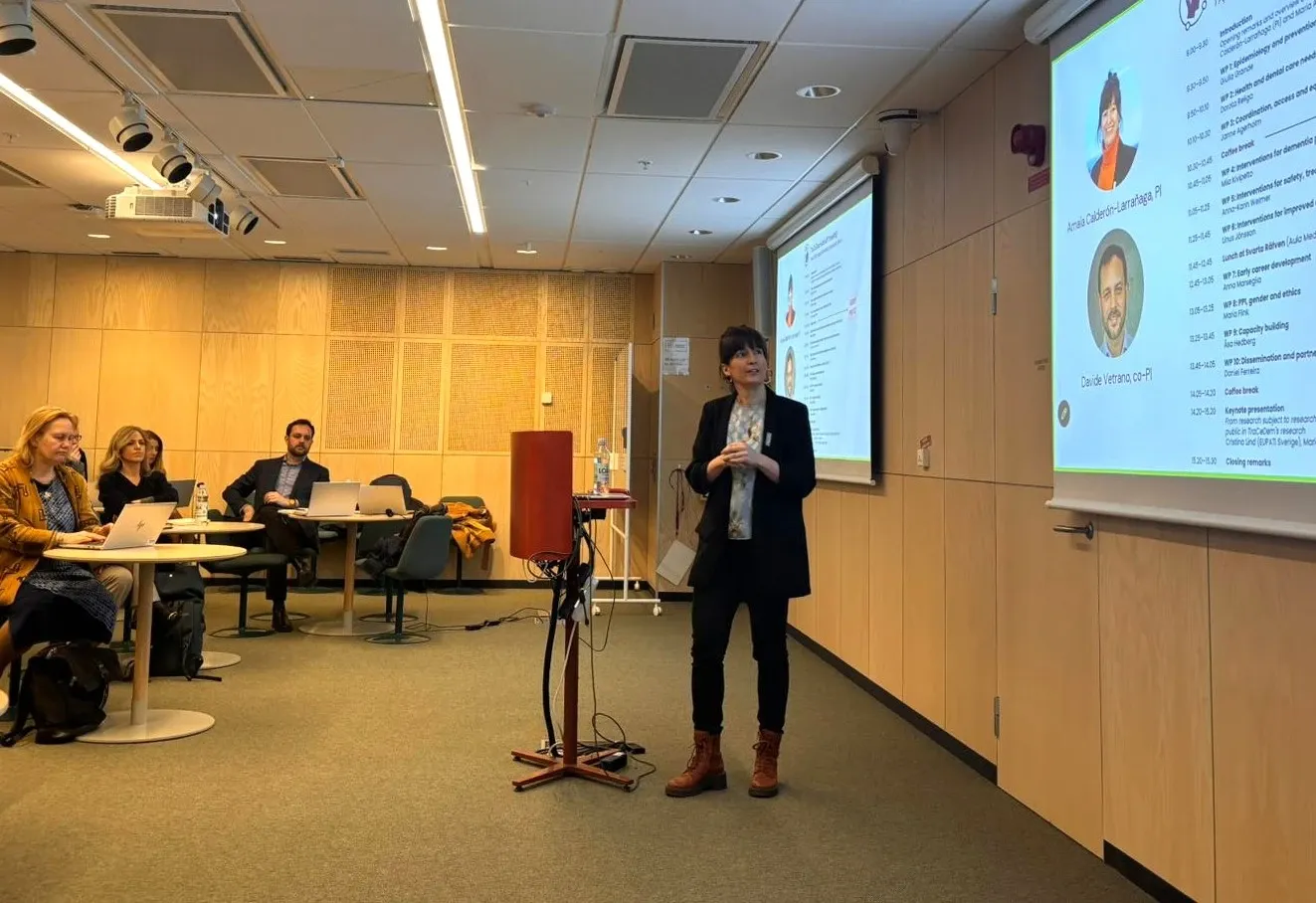
During the meeting, leaders and co-leaders of all ten work packages (WP) presented their plans and priorities for the coming three years, outlining a coordinated and transdisciplinary research agenda.
Maria Ankarcrona , Head of the Department of Neurobiology, Care Sciences and Society , opened the meeting and welcomed the participants.
Amaia Calderón-Larrañaga , principal investigator of TraCeDem , started the meeting by presenting the overall vision, structure, and strategic direction of the center. She outlined how TraCeDem is aligned with the Swedish National Dementia Strategy and emphasized its long-term ambition to delay dementia onset and improve quality of life across the disease trajectory. The presentation highlighted the center's transdisciplinary approach, bringing together expertise from epidemiology, clinical care, and social care, as well as strong collaboration with stakeholders, including patients and caregivers.
WP1: Epidemiology and prevention of dementia
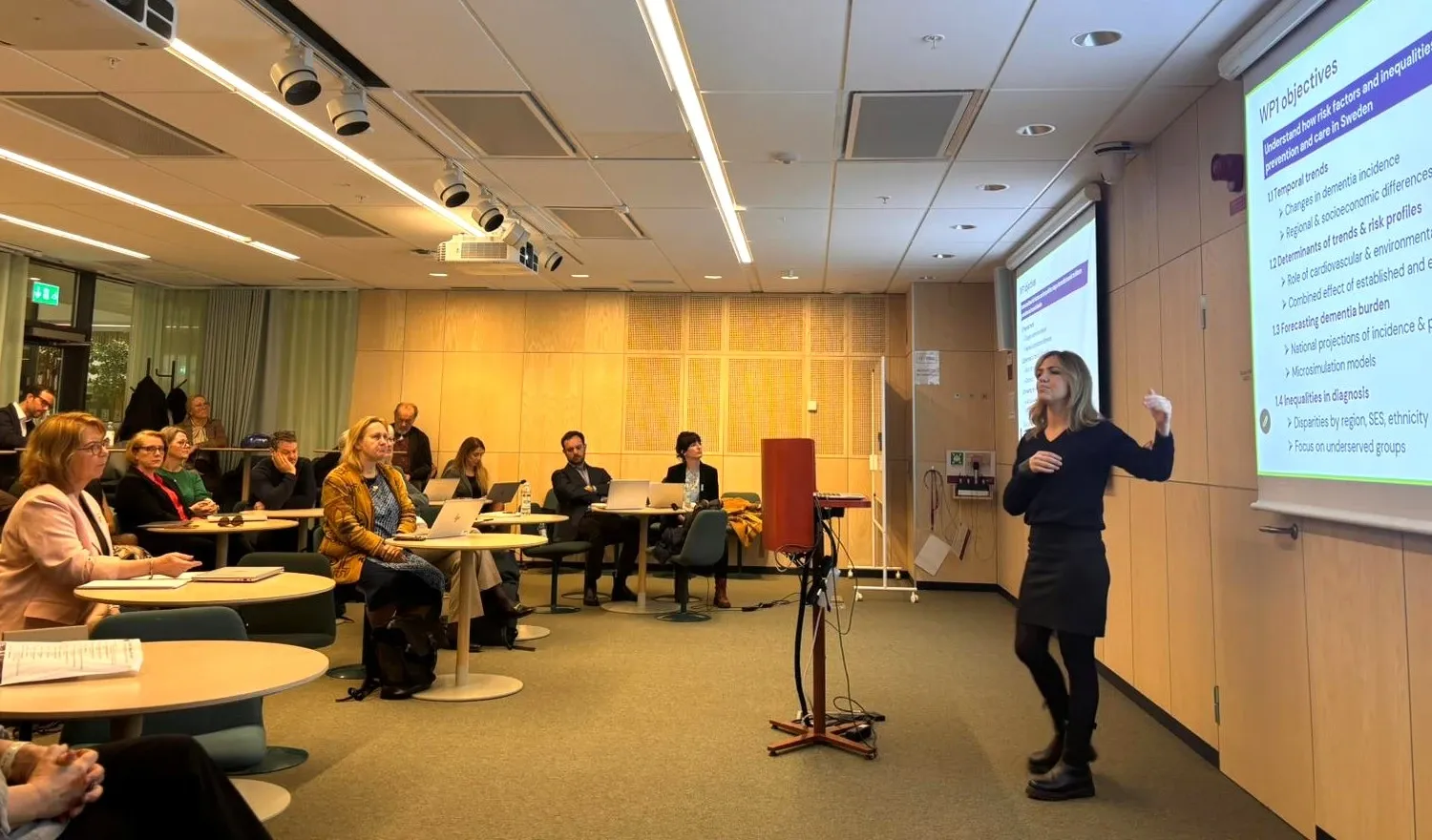
Giulia Grande presented work focused on understanding trends in dementia incidence, identifying risk factors, and forecasting future burden in Sweden. The work will leverage national registers and cohort data to examine inequalities in diagnosis and outcomes, particularly in relation to migrant status.
WP2: Health and dental care needs and provision
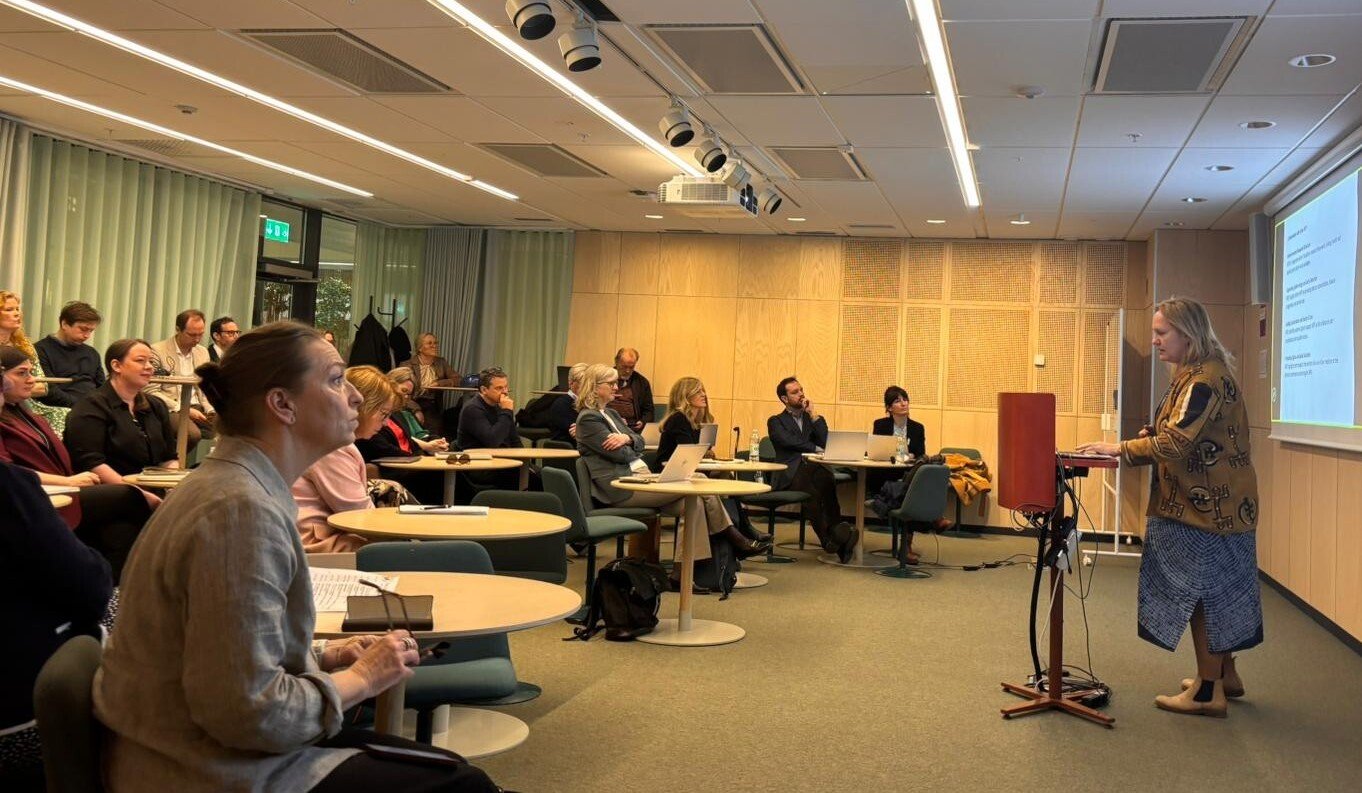
Dorota Religa outlined research on treatment strategies, comorbidity management, and oral health in people with dementia. The work includes register-based studies and mixed-methods approaches to identify gaps in care and improve integrated, person-centred healthcare.
WP3: Coordination, access and equity of care
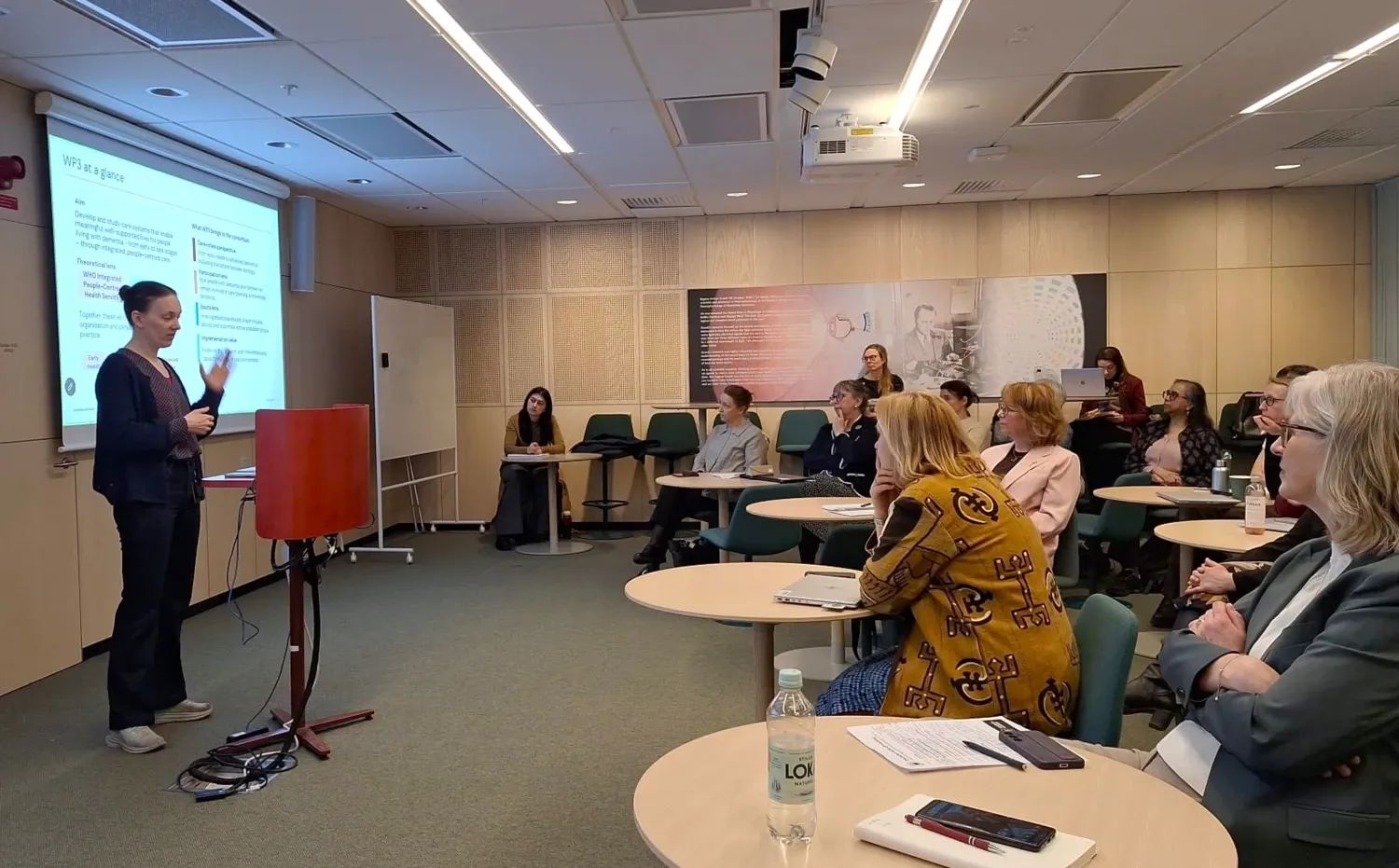
Janne Agerholm presented plans to study how dementia care is organized across the care continuum. The work will focus on integrated care models, patient participation, the role of informal caregivers, and inequalities in access and quality of care.
WP4: Interventions for dementia prevention and early identification
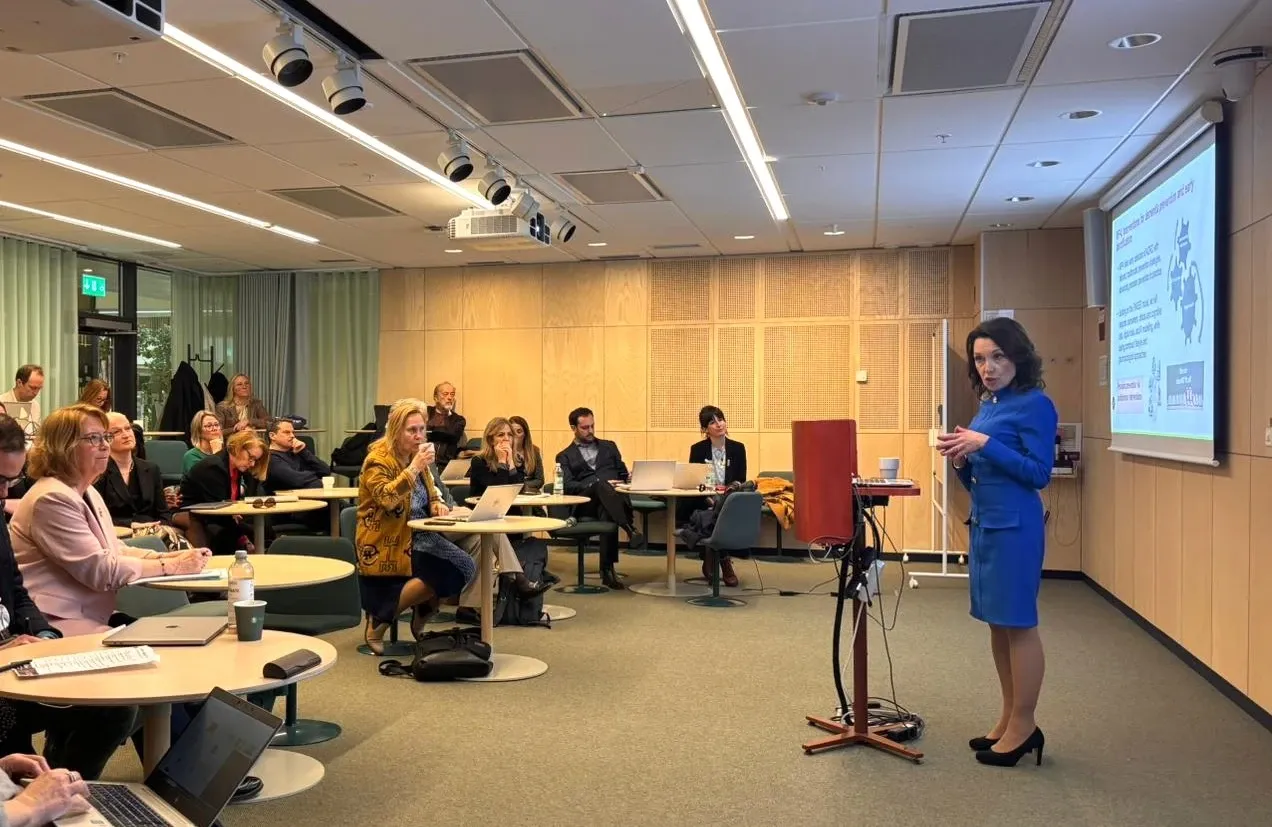
Miia Kivipelto introduced work on precision prevention, combining early detection with tailored, multimodal interventions. Building on the FINGER model, the work will integrate biomarkers, digital tools, and clinical data to develop and implement scalable prevention strategies.
WP5: Interventions for safety, treatment, and coordinated care
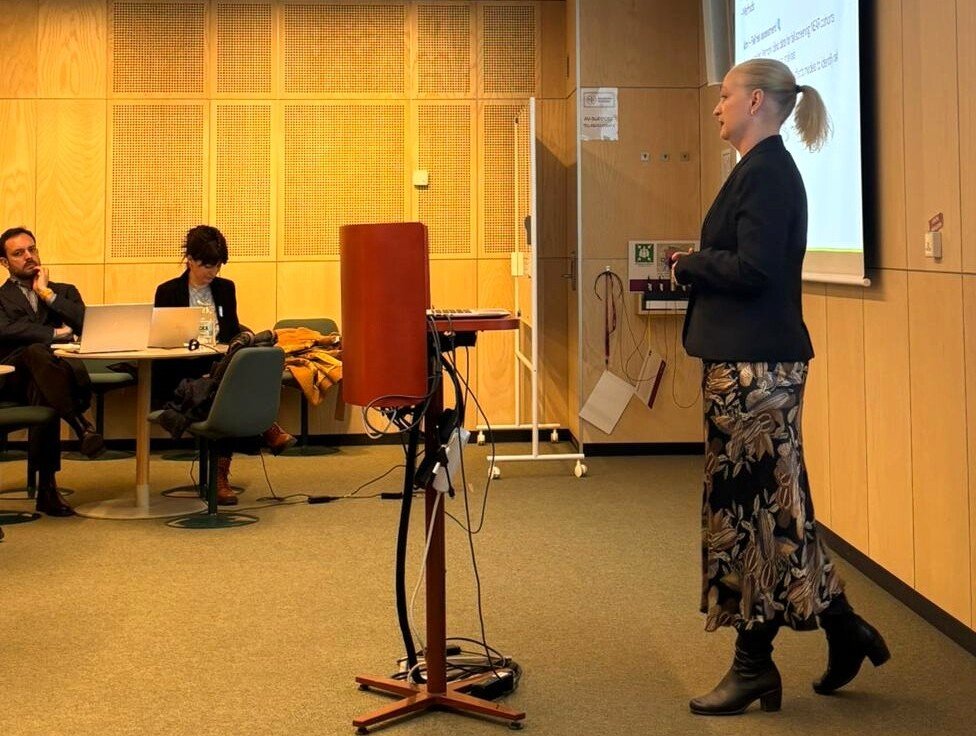
Anna-Karin Welmer presented projects targeting fall prevention and early identification of high-risk individuals. The work aims to develop and test interventions in primary care and community settings to improve safety and continuity of care.
WP6: Interventions for improved digital and social care
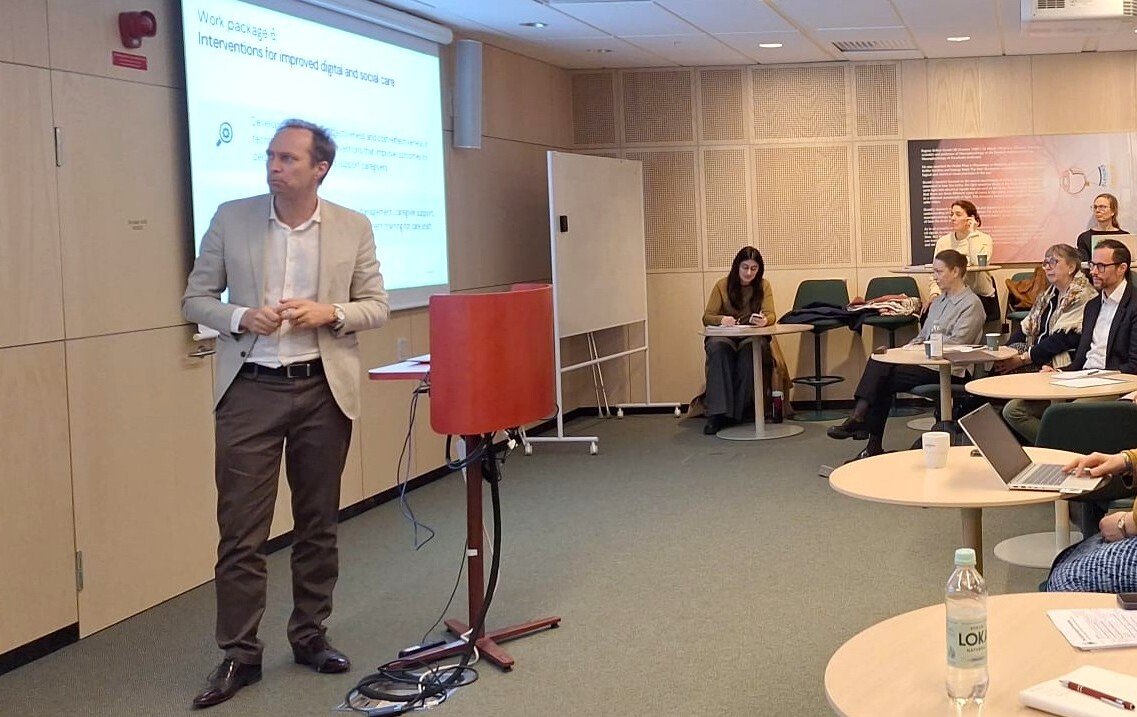
Linus Jönsson outlined research on digital and social care interventions to support people with dementia and their caregivers. Projects include digital support for caregivers, interventions in institutional care, and the development of decision-support tools for managing behavioural symptoms.
WP7: Early career development
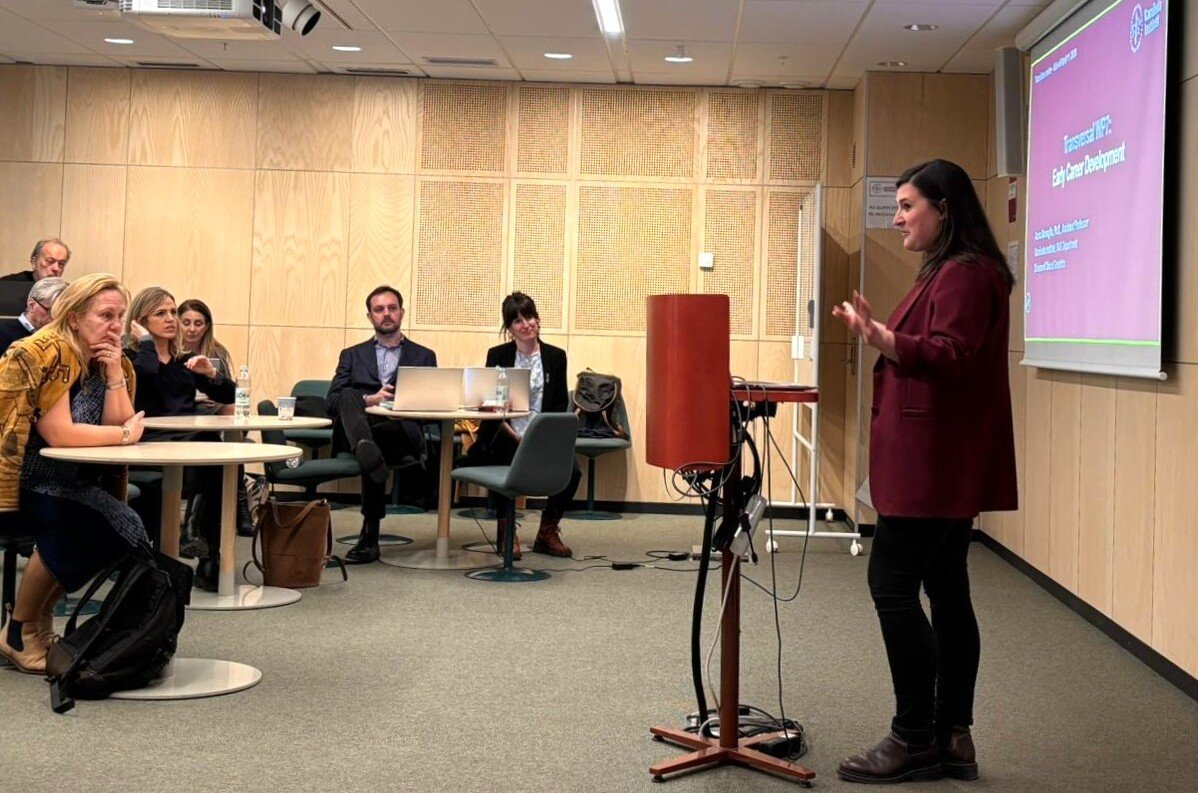
Anna Marseglia presented plans to support a new generation of researchers through mentorship programmes, training activities, and international exchange opportunities, fostering a strong and collaborative research environment.
WP8: Patient and public involvement, gender and ethics
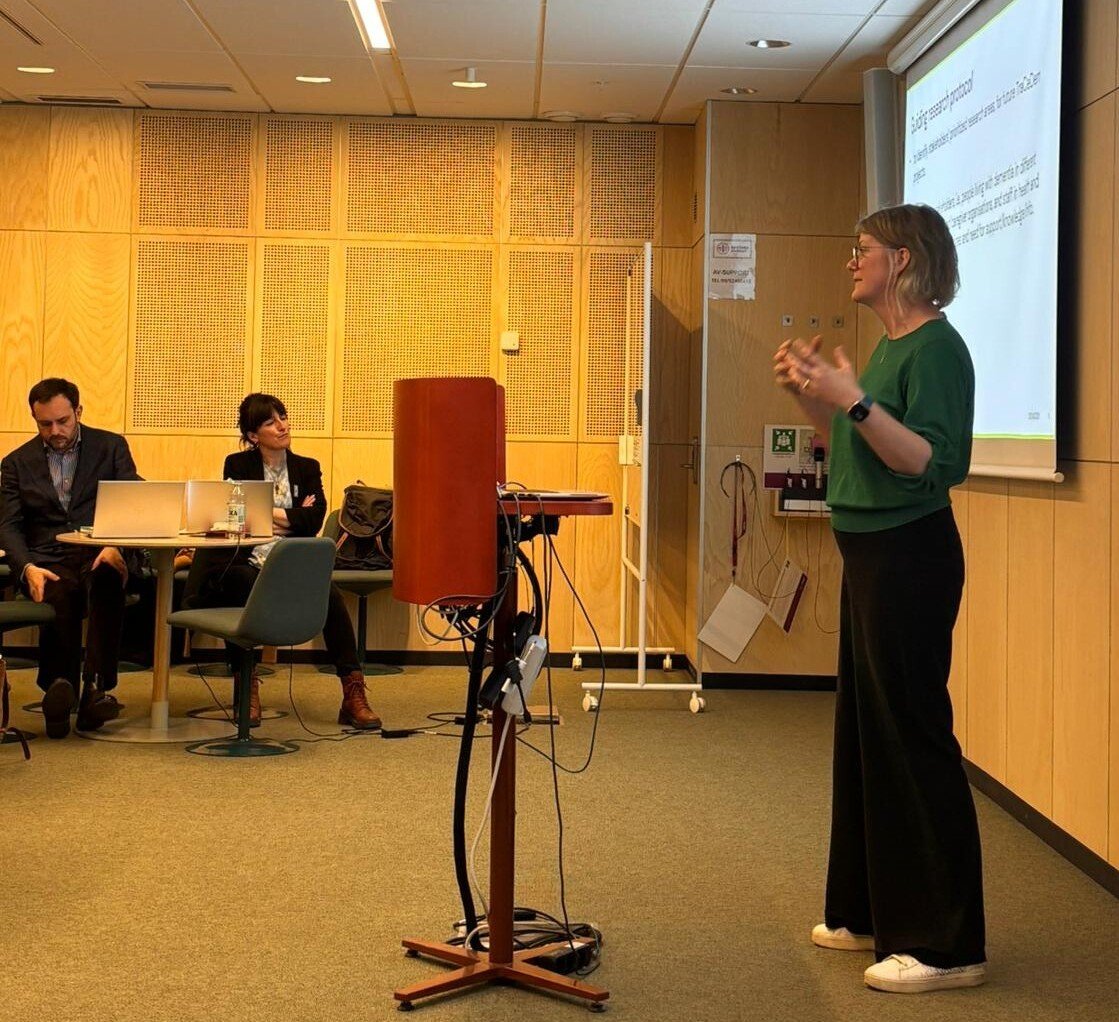
Maria Flink highlighted the integration of patient and public involvement across all research activities. The work will ensure that research is co-created with stakeholders and that gender, ethical considerations, and inequalities are systematically addressed.
WP9: Knowledge translation and capacity building
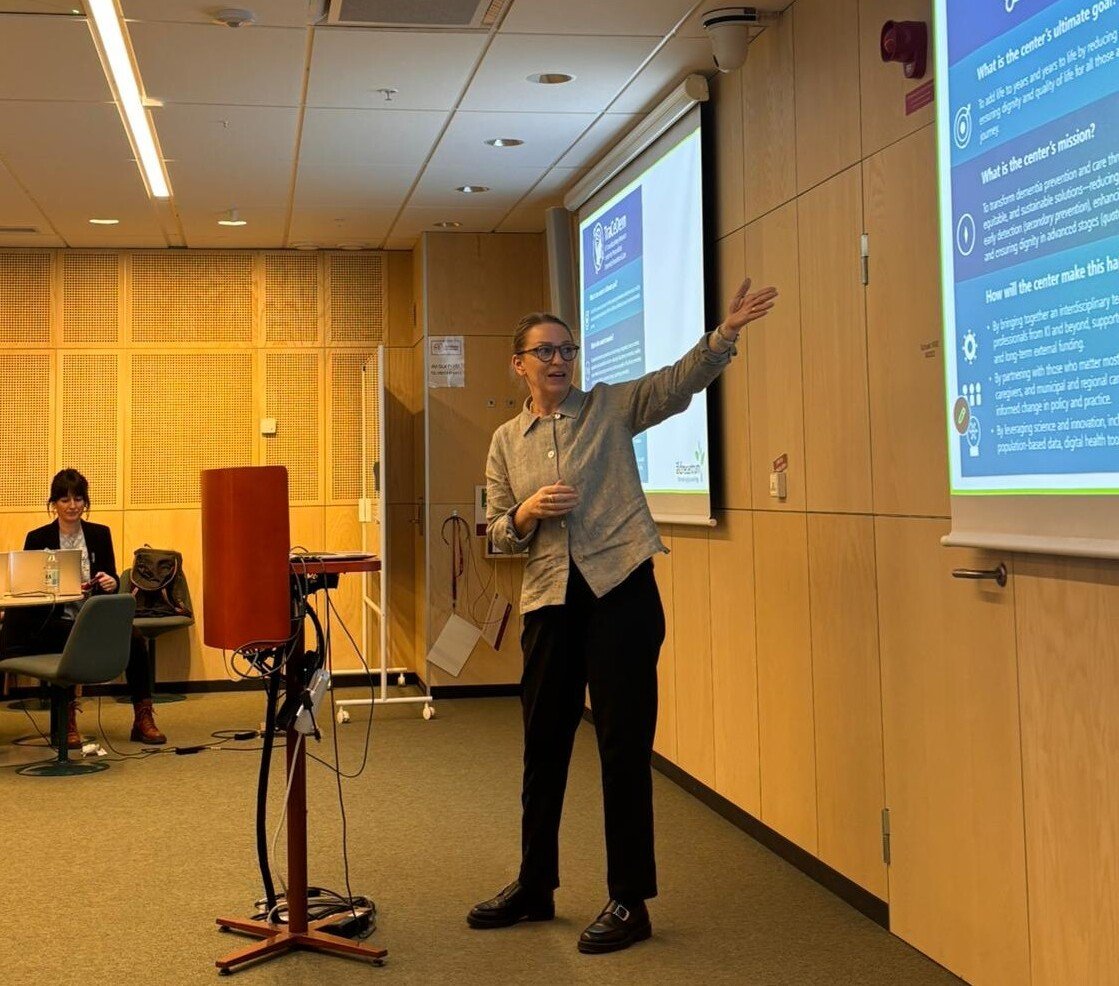
Åsa Hedberg presented strategies for knowledge translation and strengthening dementia literacy. The work will develop frameworks and activities to ensure that research findings are effectively implemented in healthcare, education, and society.
WP10: Dissemination and partnership
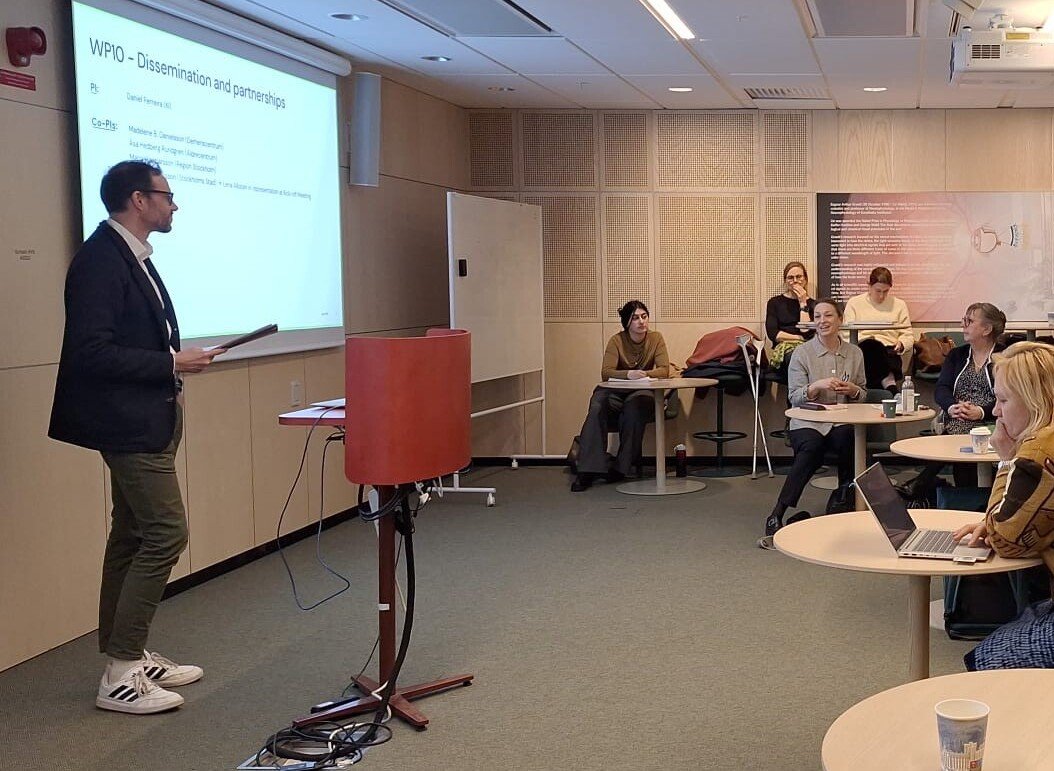
Daniel Ferreira outlined plans to ensure that research results reach policymakers, professionals, and the public. The work focuses on strategic communication, partnerships, and evaluating the societal impact of TraCeDem's activities.
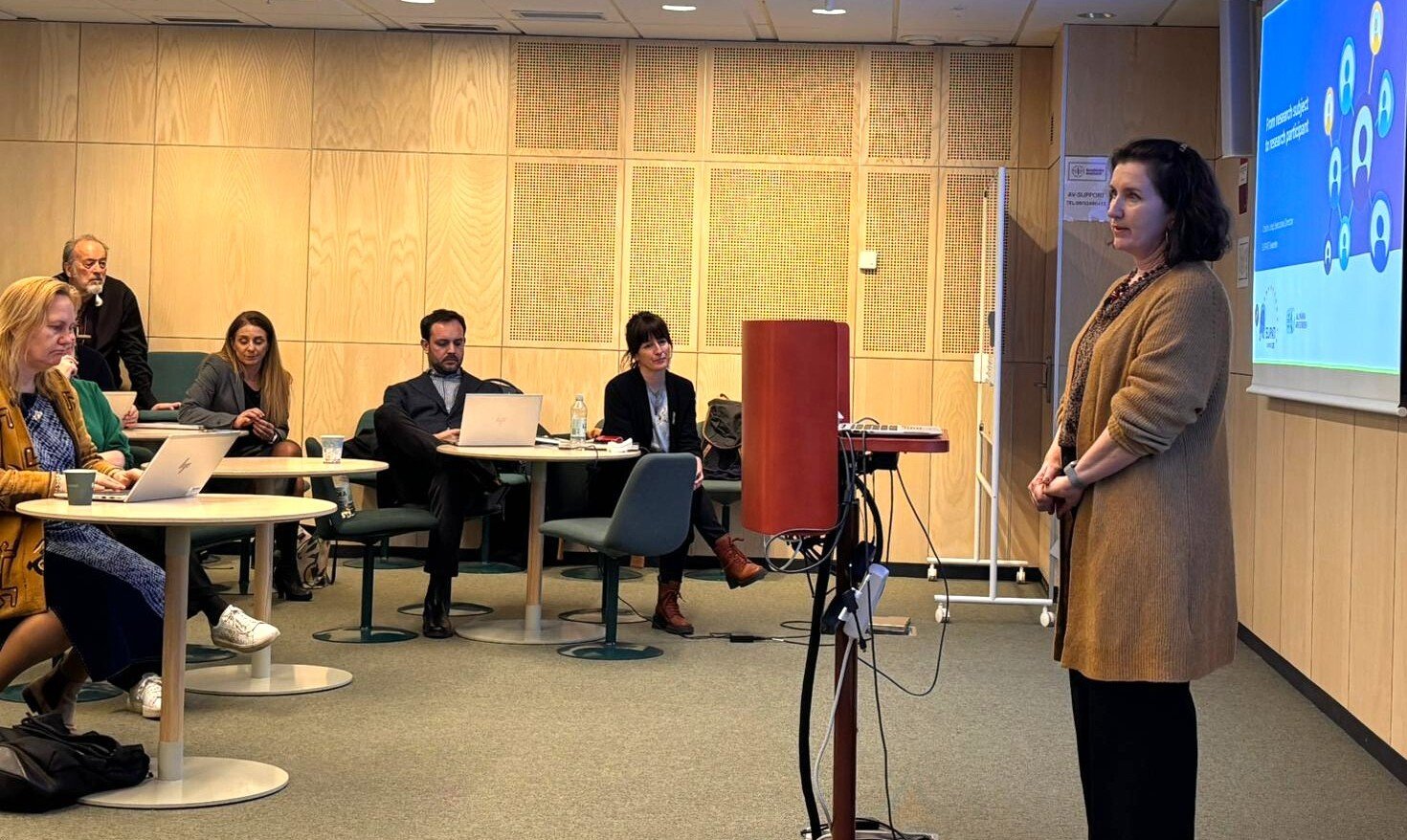
The meeting also featured a keynote presentation by Cristin Lind from EUPATI Sverige, who emphasized the importance of patient and public involvement in research. The keynote highlighted how meaningful engagement with patients and caregivers can strengthen the relevance, quality, and impact of scientific work.
The kick-off meeting marked the beginning of a collaborative effort to address key challenges in dementia prevention and care. By bringing together diverse disciplines and stakeholders, TraCeDem aims to generate knowledge that can be translated into real improvements in policy, practice, and the lives of people affected by dementia.


