
World Tuberculosis Day is celebrated on March 24 every year to raise public awareness about the devastating health, social and economic consequences of tuberculosis (TB) and to step up efforts to end the global TB epidemic. Learn more here.
(SACRAMENTO)
(SACRAMENTO, Calif.) — Researchers in the UC Davis Department of Pathology and Laboratory Medicine have created a new tuberculosis blood test that can detect the active, infectious form of the disease.
The discovery enables faster diagnosis and treatment. It also helps prevent the spread of tuberculosis (TB) by quickly identifying those who are contagious.
Current TB screening tests do not differentiate between active TB disease and a latent (inactive) infection. Positive TB tests must be followed up with additional tests.
However, these additional tests can also have limitations. For example, sputum tests can miss TB outside the lungs, and children usually can't easily produce the sputum samples needed for accurate testing.
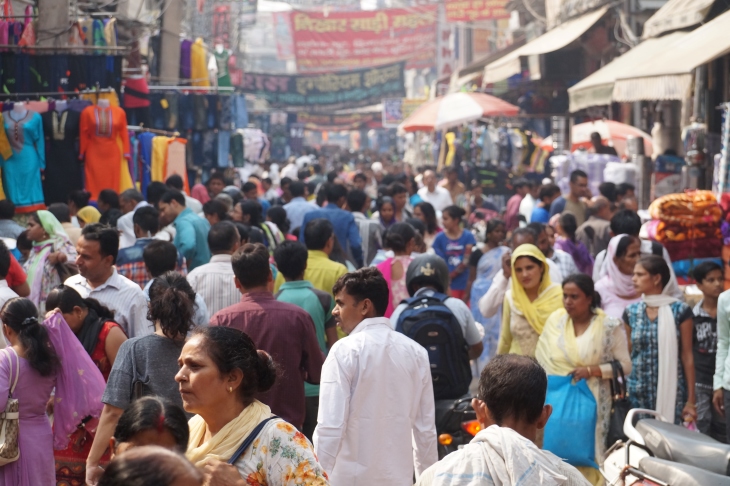
TB is a global disease that kills more than 1 million people
TB is caused by the bacterium Mycobacterium tuberculosis. It spreads when a person with an active infection coughs, sneezes, or speaks — putting close contacts like family, friends, coworkers and classmates at the greatest risk.
TB most often attacks the lungs but can strike almost any part of the body. Although it is generally curable with a long course of antibiotics, completing treatment can be difficult.
Despite being treatable, TB remains one of the world's deadliest infectious diseases.
In 2024, an estimated 1.23 million people around the globe died from the disease, and about 10.7 million fell ill. In the U.S., more than 10,000 cases were diagnosed — 2,000 of them in California.
The largest number of new TB cases occurred in South-East Asia, with India accounting for 25% of the global total.
"TB is often a disease of poverty, especially in developing countries," explained Imran H. Khan, a professor in the UC Davis Department of Pathology and Laboratory Medicine. "And like most other poverty-related problems, it is a major cause of human suffering worldwide," he said. His desire to help alleviate global poverty was a key motivation for developing the new test.
If we can stop the spread of TB by more easily identifying active infections, we can make a significant difference in decreasing global numbers of this devastating disease."-Imran H. Khan, Professor, Department of Pathology and Laboratory Sciences

Current screening tests cannot tell if TB is active or latent
Health care providers use two main types of tests to help diagnose TB:
- Mantoux Tuberculin Skin Test. In this test, a small amount of sterile tuberculin protein is injected into the skin. If the TB skin test shows a bump within two to three days, it indicates exposure to TB.
- Interferon-gamma release assay (IGRA). This blood test assesses how the immune system responds when a small amount of the patient's blood is mixed with TB proteins. A positive test result indicates the blood has reacted to TB proteins, signaling infection.
The challenge is that neither test type distinguishes between active TB (the patient has the disease) or latent infection (the patient had exposure to TB but is not currently sick). Only active TB disease is contagious.
Khan explains: "About 35% to 40% of the general population in TB endemic countries is latently infected — meaning they have been exposed — but they may never develop TB. A test that gives a positive result with latent infection is not useful in finding active TB cases, in which someone might have the disease and inadvertently spread it to others."
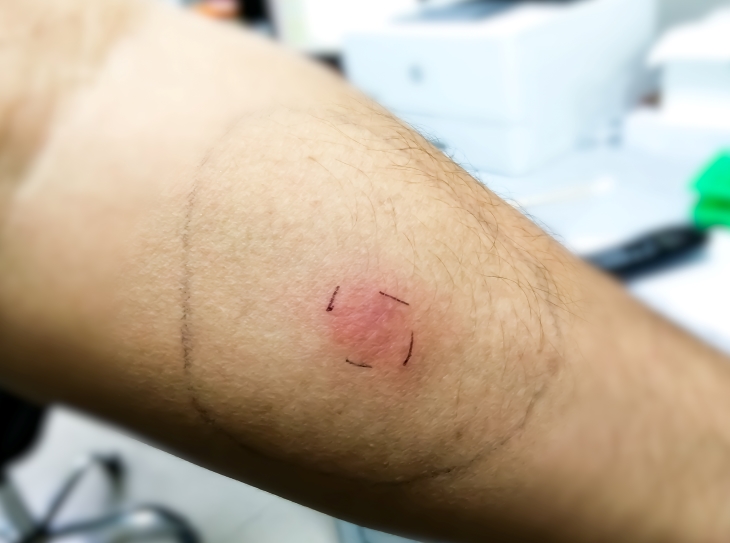
New UC Davis blood test only detects active TB
In response to these diagnostic challenges, Khan and his lab at UC Davis Health developed a blood test that can detect an active TB infection.
As with other TB blood tests, like the IGRA, the new test measures the immune system's response to TB proteins. Unlike them, it specifically detects antibodies associated with active tuberculosis. This means that a positive test identifies an active TB infection, addressing a key shortcoming of other tests.
TB test performed well at clinical trial in India
Khan worked with a medical technology company to adapt the test for routine clinical use.
The test's effectiveness was evaluated in a clinical trial in India from 2019 to 2023. More than 600 people participated.
"The test performed surprisingly well," Khan said. "In addition to the expected good performance in adult pulmonary TB, which accounts for approximately 60% to 70% of TB infections, it was also able to identify harder-to-detect TB cases in children as well as TB that was in other organs in the body, not in the lungs."
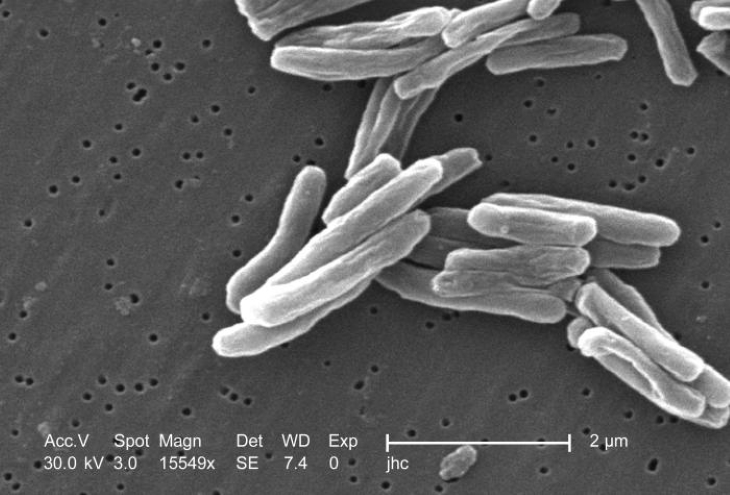
Researchers hope to bring test to more countries
Khan submitted data analysis and a clinical trial report to the Indian Council of Medical Research (ICMR). The ICMR is India's top institution for the formulation, coordination and promotion of biomedical research. If approved by ICMR, the test could expand to neighboring countries.
"If you just look at India, Pakistan and Bangladesh, those countries alone have about 30% to 40% of the entire world's TB population," Khan said.
To commercialize the test, Khan co-founded AppGenex Diagnostics, a Bay Area startup in Mountain View.
"If we can stop the spread of TB by more easily identifying active infections, we can make a significant difference in decreasing global numbers of this devastating disease," Khan said.


