
The Florida High Tech Corridor and USF Research continue to accelerate the translation of bold ideas into real-world impact through the Early-Stage Innovation Fund, announcing a new cohort of faculty-led projects poised for commercialization. Designed to support promising research at a critical inflection point, the program provides up to $25,000 in seed funding to help advance technologies toward market readiness. This round's awardees showcase the depth and diversity of innovation across the university, with solutions that span cybersecurity, optometry, women's health and stroke rehabilitation.
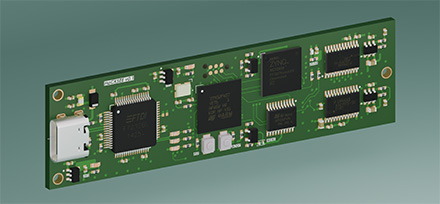
Cloud-Based Hardware Security Training Platform (HaCKSEE)
Principal Investigator: Associate Professor Robert Karam
Bellini College of Artificial Intelligence, Cybersecurity & Computing
HaCKSEE is a cloud-based platform that lets students and professionals practice hardware security techniques on real devices remotely, something not currently possible with existing cybersecurity training tools. Its unique, affordable hardware boards and centralized management system make hands-on hardware security education accessible from anywhere. Funding will support the development of commercial infrastructure and improved hardware design, helping move HaCKSEE from a research prototype to a scalable product ready for widespread use. This investment will enable broader adoption in the growing cybersecurity training market by making advanced hardware security training more practical and widely available.
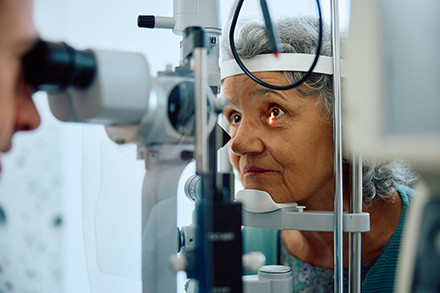
GlaucTest: AI-Powered Virtual Reality App That Brings the $15,000 Glaucoma Test to Homes for $30
Principal Investigator: Ramesh Ayyala
Endowed Chair, College of Medicine Ophthalmology
USF Health Morsani College of Medicine
GlaucTest™ is an affordable smartphone app that allows people to test for glaucoma at home using a standard VR headset, offering accuracy comparable to expensive clinic equipment. Its unique approach makes early glaucoma detection accessible to millions who currently lack access to specialist care. Funding will support the development and validation of an AI system that can automatically identify abnormal results, a key step toward regulatory approval and widespread use. This project aims to make eye health monitoring more comfortable, enjoyable, and available to those most at risk of preventable blindness.

Microbiome-Based Neuromodulatory Therapeutics Targeting the Gut-Vagus-Autonomic Axis in Menopause-Associated Cardiovascular Dysfunction
Principal Investigator: Jasenka Zubcevic
Associate Professor, Department of Neurosurgery, Brain and Spine
USF Health Morsani College of Medicine
This project will accelerate development of a shelf-stable oral supplement based on Akkermansia muciniphila, a beneficial gut bacterium with potential to support cardiovascular, cognitive and sleep health in menopausal women. The innovation is a practical capsule formulation that combines A. muciniphila with targeted fiber and metabolite end products to create a stable, scalable supplement platform with commercial potential. Funding will support pilot-scale production and testing to establish feasibility, stability and early proof of concept. These activities are essential to reduce technical risk, generate translational data and position the technology for follow-on funding, industry partnerships and future market development.
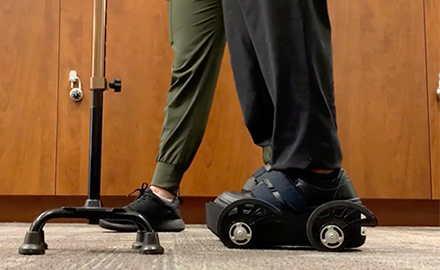
Remote Monitoring Sensor for Home-Based Stroke Walking Rehabilitation Device
Principal Investigator: Professor Kyle Reed, Department of Mechanical Engineering
College of Engineering
The evergait Go™ is a wearable device that helps stroke survivors relearn to walk by using a unique, battery-free wheel mechanism that attaches to the shoe, allowing effective rehabilitation at home without clinic visits. The project aims to validate a built-in motion sensor that tracks walking speed, step symmetry, and balance, making it possible for therapists to monitor patients remotely and for clinics to bill insurance for remote care. Funding will support sensor testing, data collection and clinical documentation, paving the way for broader access, insurance coverage and improved patient outcomes.


