
When we talk about the climate crisis, fossil fuel giants like Shell or Exxon usually take the spotlight. But there is another titan of industry driving dangerous climate destruction and it is currently setting its sights on a massive expansion in Africa.
Meet JBS: the world's largest meat company, and the biggest climate threat you have never heard of.
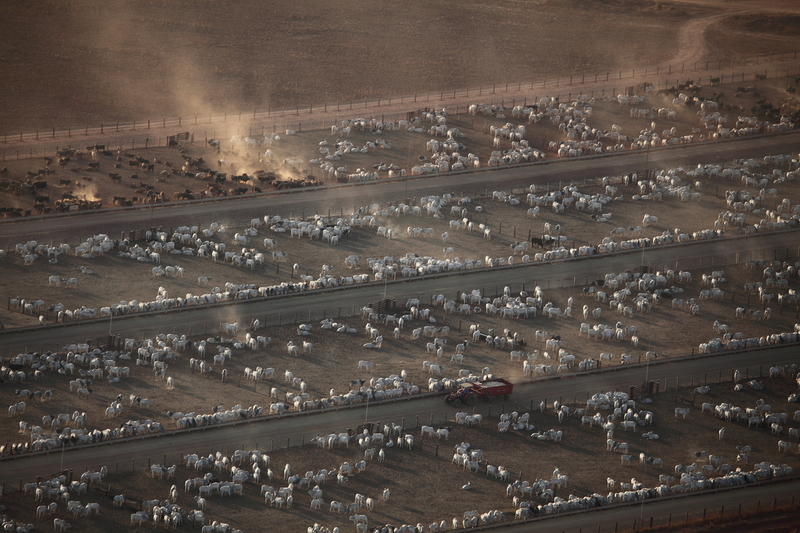
To grasp the sheer scale of JBS, consider this: it has the capacity to slaughter around 76,000 cows, 14 million chickens, 147,000 pigs, and 23,500 lambs every single day. Its methane emissions are estimated to exceed the combined livestock emissions of France, Germany, Canada, and New Zealand.
For decades, JBS has been the market leader in Brazil's beef industry, which is the primary engine behind the destruction of the Amazon rainforest. In addition to being directly implicated in corruption scandals, JBS has through its supply chain relationships, been linked to severe human rights abuses and to cattle grazed illegally on indigenous lands. Now, to line the pockets of its billionaire shareholders, it is exporting this toxic model of extraction to a new frontier: Sub-Saharan Africa.
A $2.5 billion corporate secret
Half of JBS' predatory $6 billion global expansion has been earmarked for Nigeria, and they have signed an agreement with the Nigerian government to build six massive meat-processing plants. At least 1.2 million hectares of land has already been committed to the project. An area larger than some small nations is slated for conversion into large-scale industrial farming.
The catch? Secrecy.
JBS has failed to disclose significant information about its plans, from the agreement it signed with Nigeria's government to environmental and human rights impact assessments. In a region where traditional pastoralism supports over 20 million people, this isn't just a business deal; it's a direct threat to food sovereignty, human dignity, and local livelihoods.
Local communities and civil society groups in Nigeria are resisting, demanding transparency and raising serious concerns about the future of the land, including dispossession, mass displacement and disruption of their pastoralist way of life. Now Greenpeace Africa has escalated the issue as part of a recent submission to the African Court on Human and Peoples' Rights. Specifically drawing attention to JBS' shady expansion plans in Nigeria, the filing argues that governments and corporations alike have a binding duty under the African Charter to prevent harm and ensure public participation and access to information. States must hold corporate actors legally accountable for the actions of their subsidiaries.
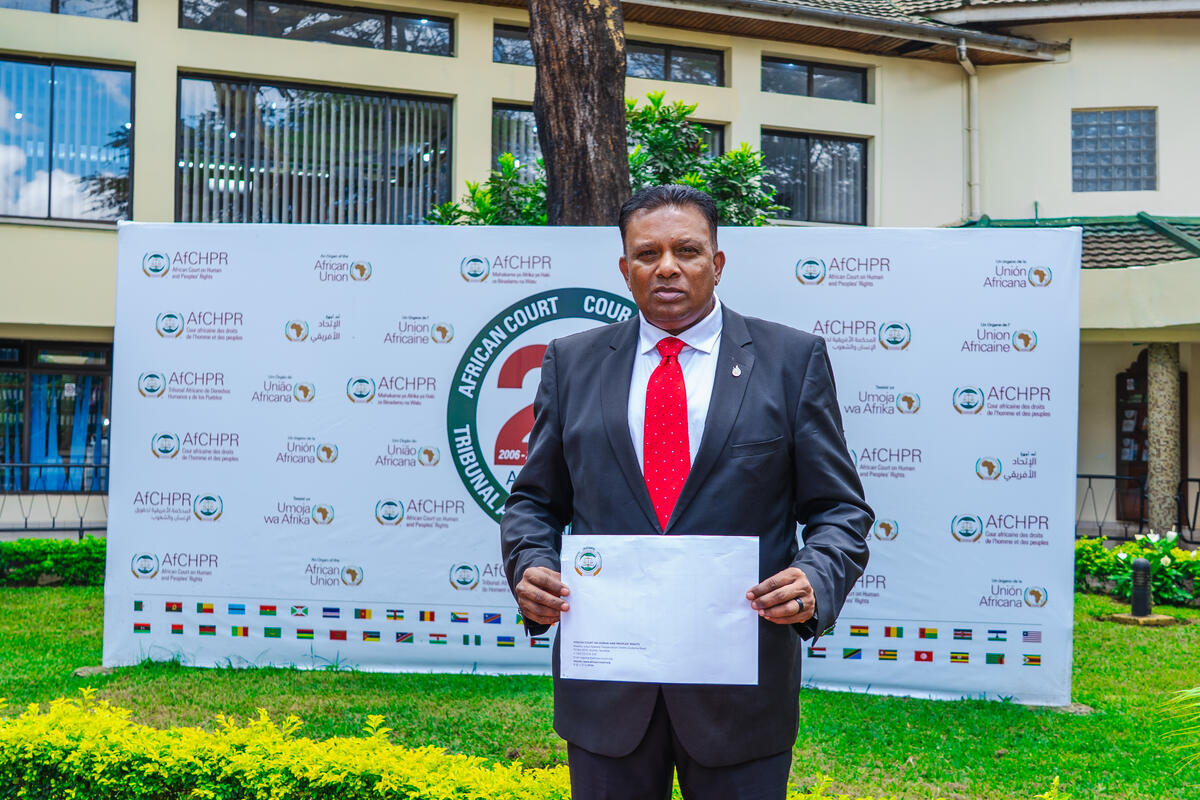
We won't sit idly by and watch this happen. I count on you to join us and help force JBS's plans into the light.
Multinational corporations like JBS thrive by operating in the dark. They want to quietly build their empires in back rooms while leaving local communities to deal with the consequences: polluted air, drained water sources, and an unstable climate.
Why a secret in Nigeria matters everywhere
You might be reading this in Madrid, Mexico City, or Auckland, thinking Nigeria feels a world away. But Big Agriculture's playbook and impact is global, and so is our resistance. The global meat and dairy industry is rigged by a handful of corporate giants, and stopping them requires global solidarity.
- Pulling the climate emergency brake: Methane is over 80 times more potent than CO2 in the short term. JBS sees Nigeria as a gateway to rolling out its destructive industrial farm model across the entire continent and beyond. By standing in solidarity with Nigerian civil society, we can protect our shared climate from being pushed beyond irreversible tipping points.
- Setting a precedent for accountability: All over the world, agribusiness lobbyists are using their economic muscle to roll back environmental regulations, trading public health for corporate profit. By stopping JBS' predatory expansion in Africa, we set a global benchmark: no corporation is too big to be held to account, and no community can be pushed out in secret.
Are you ready to demand transparency from JBS?
We have already seen first-hand the devastation fossil fuel companies like Shell cause to our climate, our environment and human rights. Now, JBS is gearing up to follow.
History shows us that corporate giants will not change until people power forces them to. The strategy of Big Ag relies on undue political influence, greenwash, corruption and extreme secrecy to lock in a future of industrial overproduction and corporate extraction, which generates profits for wealthy shareholders at the expense of people and nature. But we are fighting for a renewed future. One where food is for people, not for corporate profit.
True food sovereignty requires halting this expansion to ensure local communities retain sovereignty over their land. Local communities in Nigeria are already rising up. Now, we need people like you to help force JBS's plans into the light – and stop a new wave of destruction before it starts.
Amanda Larsson is Global Campaign Lead for Agriculture, Greenpeace Aotearoa.


