
Fish, shellfish, maize, manioc, rice and even chicken eggs. Molecular residues preserved in more than 180 ceramic vessels from southern Brazil have made it possible to reconstruct what different communities were cooking more than a century ago, showing that access to food varied according to the origin and social status of their inhabitants.
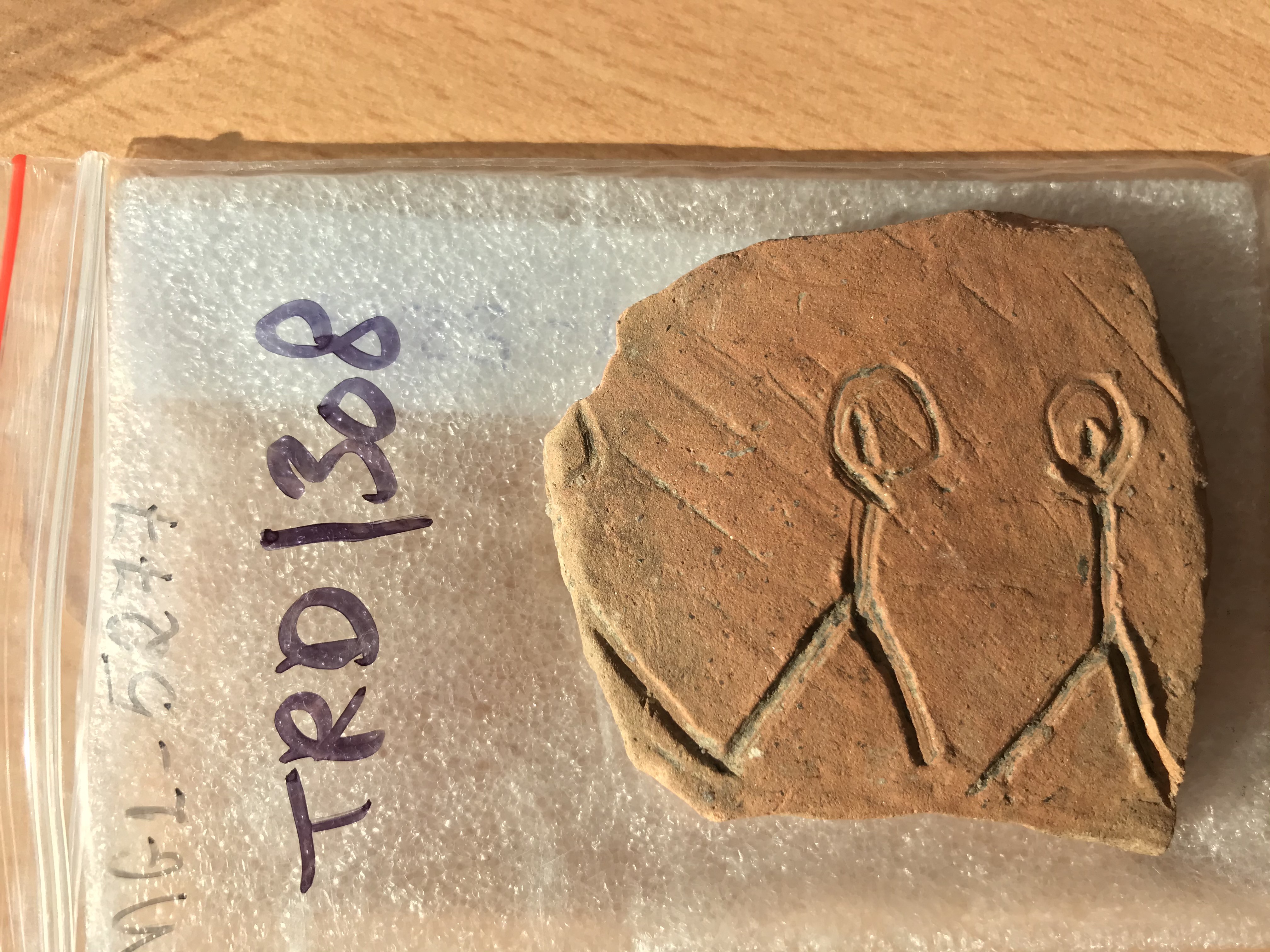
An international study led by researchers from ICTA-UAB reveals that Indigenous, African and Afro-descendant communities relied more heavily on marine resources, while communities of immigrants from Germany consumed mainly plant species and terrestrial products.
Brazil is a multicultural and ethnically diverse country whose history has been shaped by the interaction between Indigenous peoples, African populations, Luso-Brazilian communities and, later, European immigrant communities. However, little is known about how this cultural diversity was reflected in people's everyday diet. The research has reconstructed part of this history by analysing food residues preserved in ceramics used between the late nineteenth and early twentieth centuries in Babitonga Bay, southern Brazil.
The study, recently published in Royal Society Open Science, analysed the lipids preserved in more than 180 ceramic fragments and the proteins present in a selection of these pieces. Thanks to molecular archaeology techniques, the researchers were able to identify the types of food that were cooked or stored in the vessels used by Indigenous, Luso-Brazilian, Afro-descendant communities, and the first German immigrants established in the region.
The results show clear differences between the communities. Hand-modelled vessels, associated with Indigenous, Afro-descendant and Luso-Brazilian communities, show a greater presence of marine resources, such as fish and shellfish, as well as maize. In contrast, wheel-thrown ceramics, used mainly by German immigrants, show a greater presence of crops and terrestrial products, including meat and, in some cases, dairy products.
The molecular analysis made it possible to go one step further and identify specific foods cooked more than a century ago. These include fish from the Sciaenidae family, chicken egg and biomarkers compatible with the processing of maize, rice, manioc, beans, fruits and vegetables, and animal fats. According to the researchers, this combination of lipid and protein analyses provides a more accurate picture of the everyday diet of the different communities that lived around Babitonga Bay.
"The residues preserved in these ceramics show that everyday diet reflected the profound social and cultural differences that characterised Brazil at the end of the nineteenth century. Molecular archaeology allows us to recover part of this history that is unlikely to appear in written documents," explains André Colonese, ICTA-UAB researcher and co-author of the study, which was carried out as part of the ERC Tradition project.
According to the researchers, the differences observed are not explained solely by culinary preferences, but also by unequal access to food. While livestock and certain crops were more closely linked to private property and an expanding market economy, fishing and the exploitation of coastal resources provided a more accessible source of food for communities with fewer resources. The results suggest that these foods played a fundamental role in ensuring the subsistence of many households in a context marked by significant social inequalities.
In addition to reconstructing the diet of these populations, the study demonstrates the potential of biomolecular archaeology to understand how economic, social and cultural changes transformed everyday diet. The authors believe that many of the differences dating back more than a century help explain the culinary diversity that characterises Brazil today.
Reference article: Alice Di Muro, Marjolein Admiraal, Krista M. McGrath, Thiago Fossile, Yun Chiang, Joannes A. A. Dekker, Margherita Cantelli, Nuria Moraleda-Cibrián, Joan Villanueva, Kerry Sayle, Dione DaRocha Bandeira, Fernanda Mara Borba, Maria Cristina Alves, Matthew Collins, Oliver E. Craig, Andre Carlo Colonese; «Culinary diversity in early modern Brazil revealed by residue analysis of ceramic artefacts». R. Soc. Open Sci. 1 July 2026; 13 (7): rsos260385. https://doi.org/10.1098/rsos.260385


