
What can the world's longest living individual teach us about longevity? A team of scientists coordinated by the University of California, Davis, sequenced the Great Basin bristlecone pine genome, which could help unlock the secrets of this tree's exceptionally long life and provide insights for other species.
Their study, published in the journal G3: Genes|Genomics|Genetics, notes that the Great Basin bristlecone pine, Pinus longaeva, is the oldest individual, non-clonal organism on the planet, with some trees living more than 5,000 years. "Pando," a giant colony of aspen stems that originate from a single root system, is estimated to be older. However, its individual stems are rarely more than a few hundred years old.
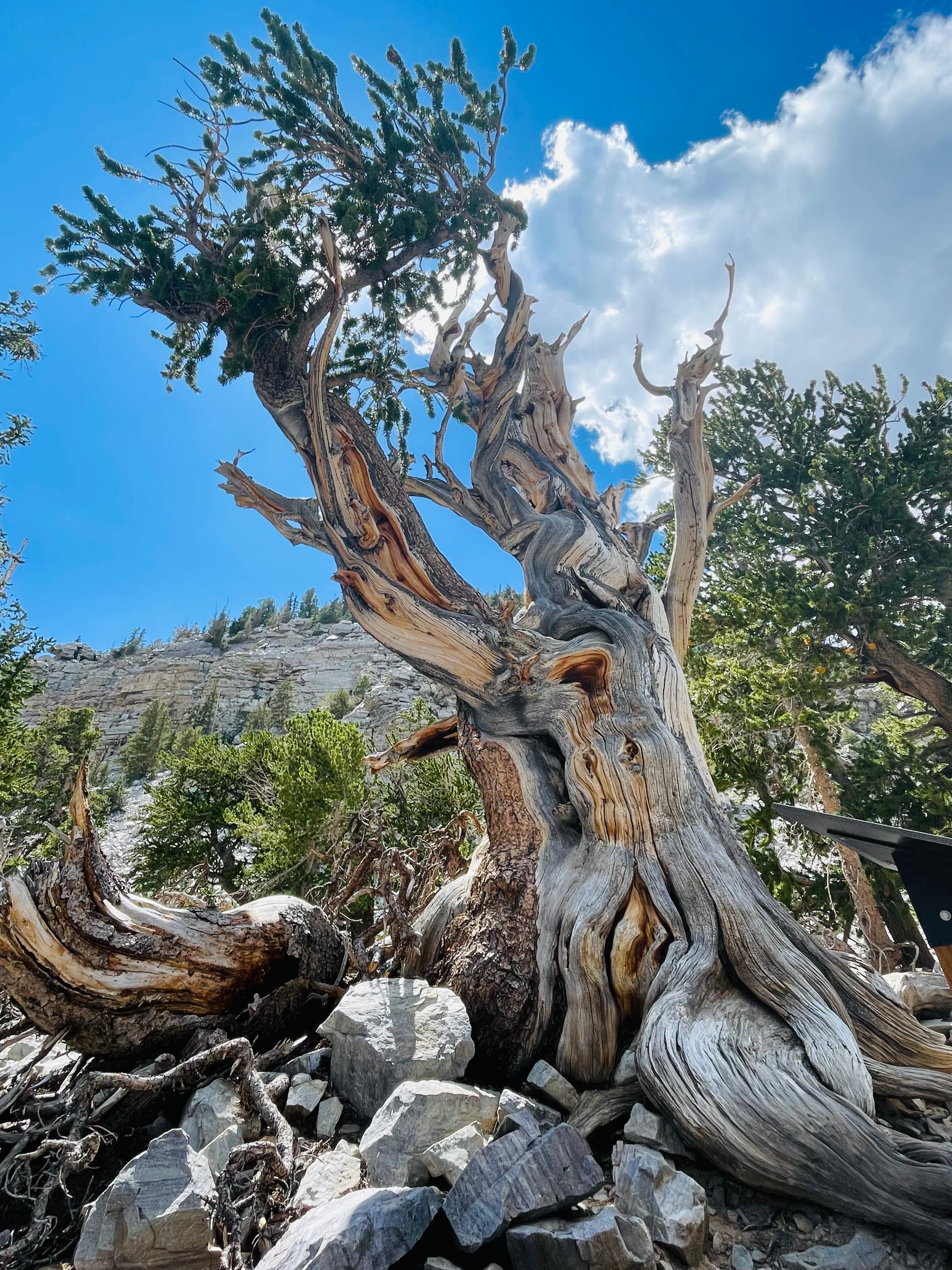
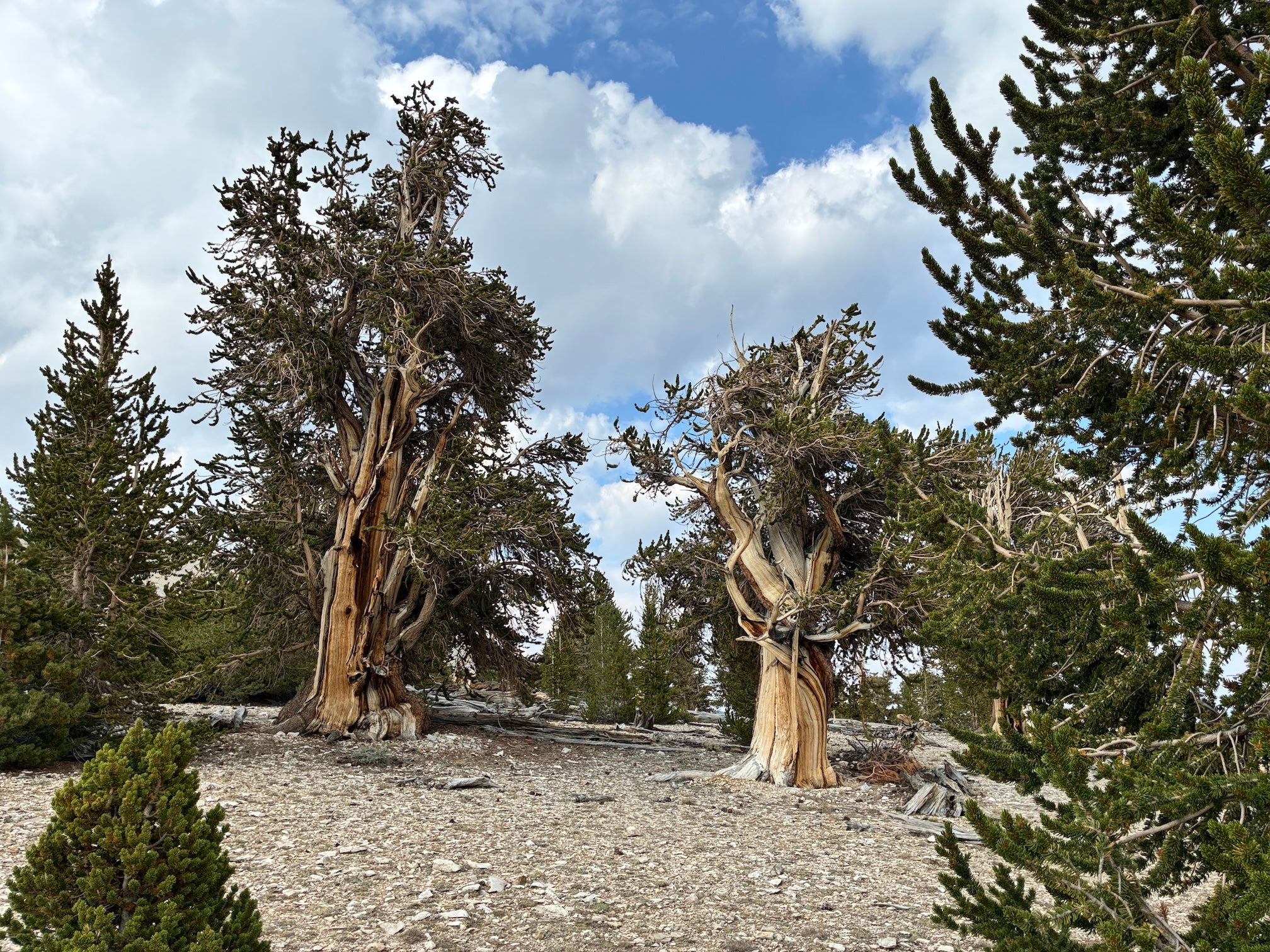
Wind-sculpted and solitary, with gnarled, twisting branches, the bristlecone pine spends its long life atop some of the harshest, highest and coldest parts of the West. The species is endemic to the Great Basin mountains of eastern California, Nevada and Utah and typically grows at elevations between 9,500 and 11,800 feet.
With a permit from the USDA Forest Service, researchers collected tissue samples from the needles and seeds of a bristlecone pine tree in California's White Mountains. Scientists at Johns Hopkins University conducted genetic sequencing on the samples. Their work revealed 21,364 protein-coding genes, including genes showing disease resistance and larger-than-average telomere lengths, compared with other conifers. Large telomeres typically signify a longer cell life and slower aging.
"Assembling a 24 billion base pair genome that is eight times the size of the human genome is a significant technical challenge," said co-author Steven Salzberg, a professor of biomedical engineering at Johns Hopkins University. "Despite its great size, though, the genome of bristlecone pine contains only slightly more genes than the human genome. The rest of the genome is filled with millions of repetitive 'junk DNA' sequences, which appear to do no harm to the organism, since it has carried these repeats through millions of years of evolutionary history."
Longevity lessons through genetic sequencing
How can genetic sequencing of a pine tree help us understand longevity in other species?
"That's the secret to understanding any organism," said project lead David Neale, a UC Davis professor emeritus of Plant Sciences, who previously helped sequence the coast redwood, giant sequoia and whitebark pine genomes. "It's like having a parts list. Sequencing one tree does not give us clear insights as to the genetic basis of longevity. But having a reference genome sequence as it applies to human health and everything else is a necessary reagent in modern biology. There is now a resource from which modern genetic discovery can begin based on this resource."
The bristlecone pine tree is not a threatened or endangered species. Extreme heat, drought and bark beetles have contributed to the deaths of some bristlecone pines. But the authors note that the species has persisted for millennia through past extreme climate periods.
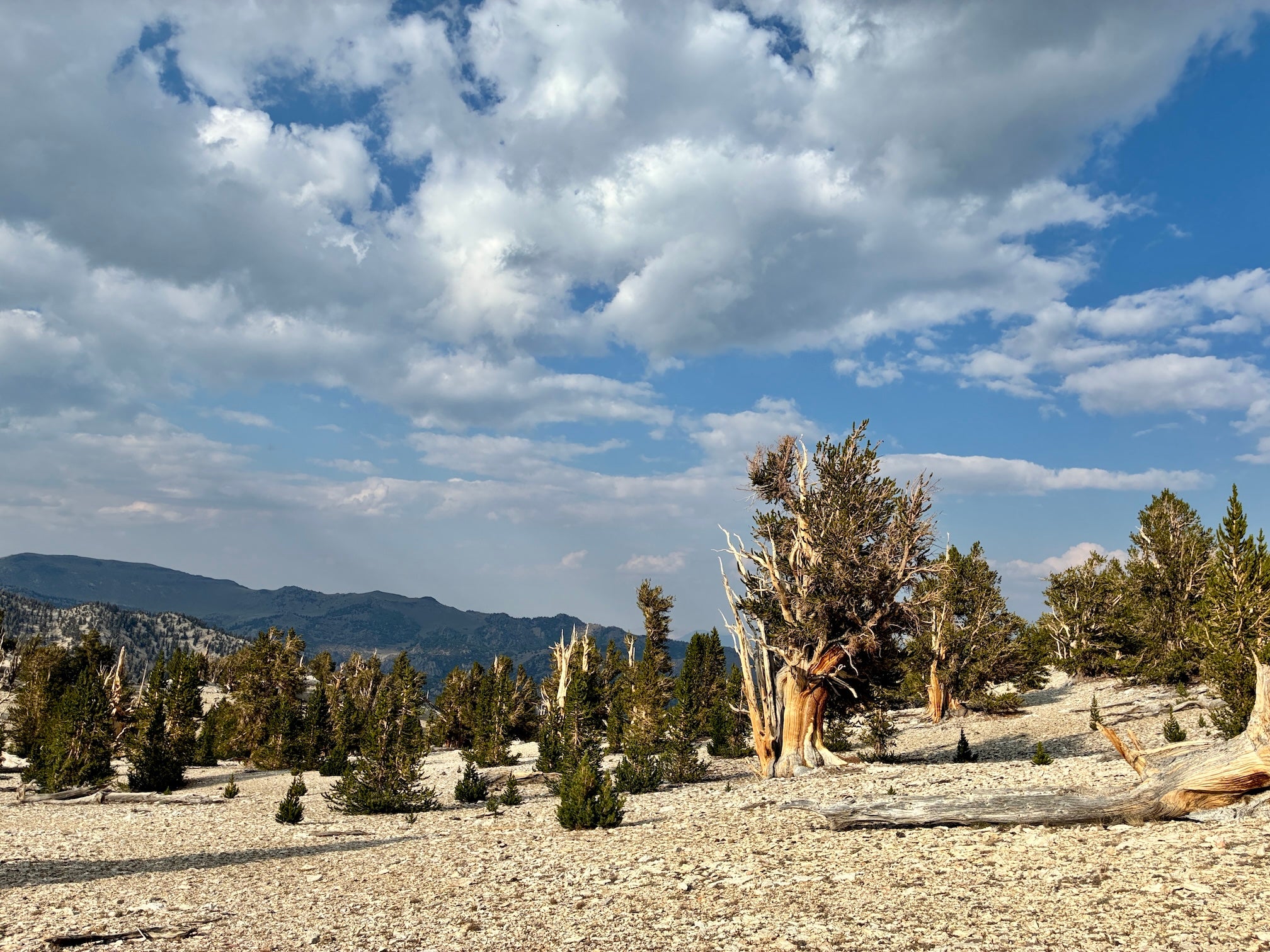
"That bristlecone pine has endurance to persist in the face of impacts from climate change is witnessed by the White Mountains populations, which have thrived in place throughout climate extremes for almost 11,000 years - since the last ice age," said co-author Constance Millar, an ecologist with the USDA Forest Service's Pacific Southwest Regional Station.
A genome sequence for the species can help land managers identify genetic materials that may help these trees adapt to future environments.
The authors wrote: "We expect this resource to be used not only by forest tree researchers and land managers, but also by the broader scientific community seeking to understand the genetic basis of longevity in all forms of life."
Bristlecone pine matters of life and death
Could this work help other species live longer?
"People ask me those kinds of things: 'David, tell me which is the longevity gene, and I will clone it, patent it and sell it.' Of course, it's massively complex. But there could be some fundamental discovery of the genetic basis of longevity in this one organism that could be applied to other organisms," Neale said.
For instance, one theory is that bristlecone pines may not "senesce," or biologically age and die. Human cells, no matter how well we care for ourselves, eventually die and are not replaced, leading to death. But bristlecone pine trees do not appear to hold the signatures of senescence. Their deaths tend to be caused by outward forces - an axe, or a fierce storm - but not of old age alone. Could it potentially live forever?
"I think that theory is overstated, but you can't help but have those thoughts when you look at something that can live that long," said Neale. "Maybe, by having an equivalent study in something that lives to be 5,000 years versus something - or someone - that lives to be 100 could be informative. Maybe not. It could be the bristlecone pine tree is fundamentally unique and nothing lives to be like it."

The study's additional co-authors include Aleksey Zimin, Jessica Hosea, Edward Li and Daniela Puiu of Johns Hopkins University, Constance Millar of the USDA Forest Service, and Patrick McGuire of UC Davis.
The research was funded by the Vaughn-Jordan Foundation through the Whitebark Pine Ecosystem Foundation, as well as by the National Science Foundation and National Institutes of Health.


