
Sea Country rangers are helping unlock the mysteries of endangered sawfish, crocodiles, dugong and dolphins captured in 6000-year-old rock art and Dreaming stories in remote waters of Cape York.
On Lama Lama Sea Country, around Princess Charlotte Bay, Traditional Owners are working with scientists and archaeologists across one of the most culturally rich and ecologically important parts of the Great Barrier Reef.
- "Sea Country is living culture,'' Lama Lama elder Karen Liddy said.
"It is where Traditional Owners care for Country, protect sacred places, sustain marine life and pass knowledge to the next generation.
"Protecting the Great Barrier Reef is not only an environmental responsibility. It is also a cultural responsibility."
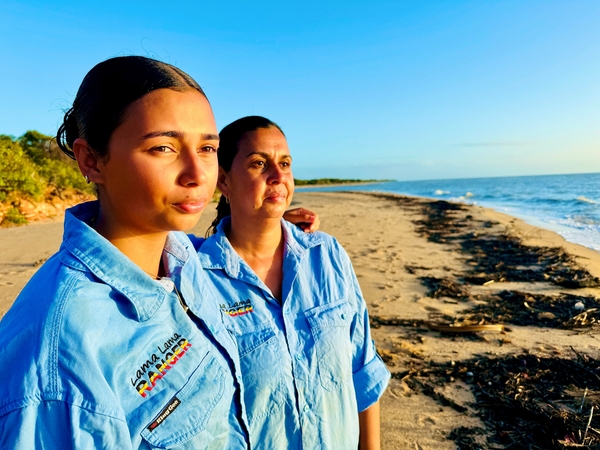
Their Yintjingga homeland is a sea beach country of mangroves, sand dunes, rivers, coral reef and sacred places where old people say visitors must speak softly because loud voices can whip up the winds.
The Lama Lama were forcibly removed from their homeland at Port Stewart about 12 hours' drive north of Cairns in 1961.
Elder Keith Liddy later led his people back to Country, continuing the long walk started by his father Harry Liddy, who repeatedly tried to return from exile in Bamaga carrying his dugong rope back to his spiritual birthplace.
The Lama Lama people's native title recognition in 2008 was supported in part by historic photographs and film taken by Donald Thomson in 1928, showing Lama Lama people hunting, fishing, weaving nets, and building bark shelters on Country.
Today, Lama Lama Rangers are part of the next chapter.
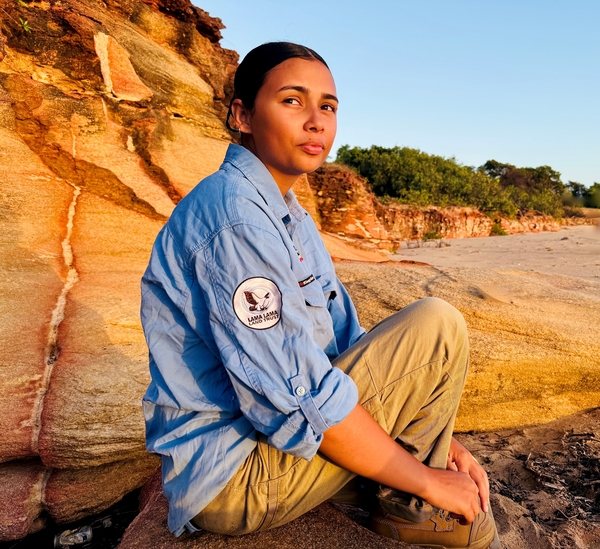
They support research and surveys on sawfish, dugong and marine turtles, run tourist camps, and work with archaeologists to document rock art and rock engravings on islands offshore.
Those ancient images and stories are more than records of the past. They are cultural archives that may help deepen understanding of species, seasons, movement, abundance and change across Sea Country.
It is feared some rock art sites - depicting marine creatures, moths and mythical beings - may have been destroyed by storm surge from category-five Cyclone Narelle in March with plans for a cultural heritage monitoring voyage in coming months.
Reef Authority TUMRA Director Niboddhri Ward said Traditional Owner partnerships were critical to the future of Reef protection.
- "Traditional Owners bring thousands of years of knowledge to Reef protection," she said.
"They know the stories of places, the movement of seasons, the behaviour of species and the signs of change across Country.
"When that knowledge is combined with western science, it gives the Reef its best chance in a changing climate."
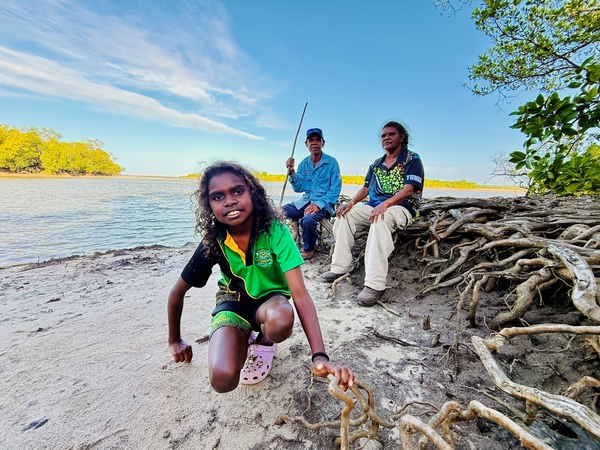
The Great Barrier Reef Marine Park is home to biodiversity that is culturally significant to Traditional Owners.
For some groups, animals such as dugong, turtle, sawfish, crocodile, shark, dolphin and sea eagle are not simply wildlife. They are totems, kin, food sources, law, ceremony and living links to ancestors.
The Reef Authority works with Traditional Owners through Sea Country planning, Traditional Use of Marine Resources Agreements (TUMRAs), species monitoring, compliance partnerships, island management and cultural heritage protection.
Traditional Use of Marine Resources Agreements (TUMRAs) recognised Traditional Owner rights and interests (Native Title) and traditional use of marine resources, including hunting and gathering across the Reef.
There are now 10 TUMRAs involved in the Reef Authority program, covering more than 43 per cent of the Great Barrier Reef coastline.


