
Australia's only dedicated stem cell resource for multiple sclerosis (MS) research has expanded significantly this year, giving researchers better tools to study the disease and develop new approaches to treatment.
Based at the University of Tasmania's Menzies Institute for Medical Research , MS Stem contains stem cells generated from blood samples donated by people with and without MS. These cells can be transformed into different types of brain cells, giving researchers unique ways to study how MS develops and progresses.
This year, 32 new stem cell lines from eight donors were added to MS Stem, including samples from people living with primary progressive MS. These additions are increasing the capacity of MS Stem to support researchers nationally and internationally.
One of the biggest challenges in MS research is understanding why the disease develops, why it progresses differently between individuals and why it can be difficult to treat. Using MS Stem, researchers can create brain cells in the laboratory and observe how cells from people with MS behave differently from those without the disease.
"MS Stem was created to give researchers access to high-quality human stem cell models and help answer some of the biggest questions in multiple sclerosis," said Professor Kaylene Young, MS Stem Director and deputy lead of the MS Research Flagship at Menzies.
"Every new cell line added to the biobank creates opportunities for researchers across Australia and around the world to learn how genes cause MS or find better treatments," she said.
Researchers across Australia and internationally can apply to access MS Stem to study MS progression, genetics and potential treatments.
The recent inclusion of additional primary progressive MS lines strengthens the resource's value in one of the most challenging areas of MS research. In this type of MS, symptoms and disability steadily worsen right from the start, without any periods of recovery or remission.
"Progressive MS remains one of the greatest challenges in the field. Expanding the number of progressive MS cell lines available through MS Stem gives researchers more opportunities to study this form of the disease in ways that were not previously possible," said Dr Ariane Gélinas-Marion, MS Stem Biobank Manager.
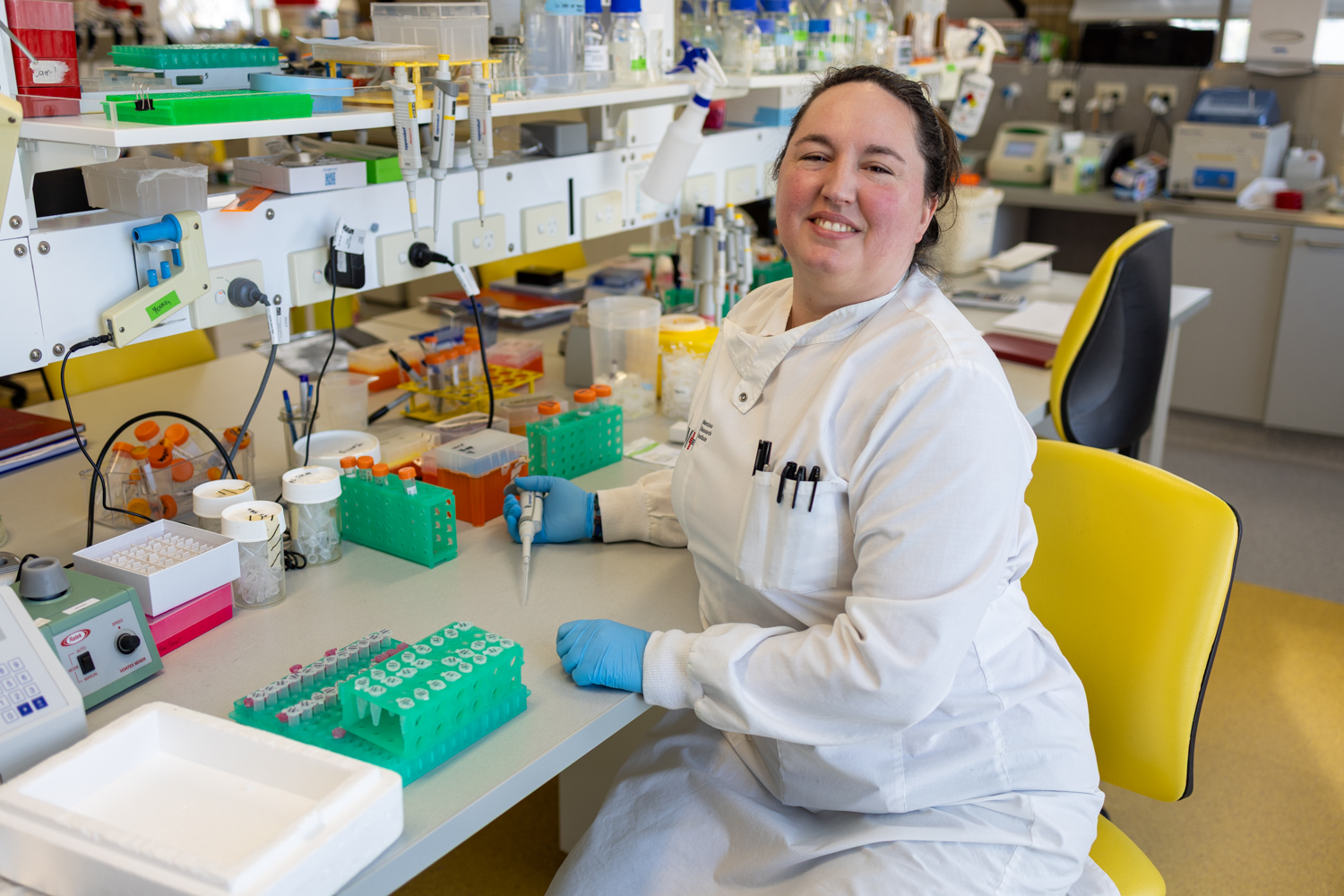
MS Stem is already enabling Australian research investigating MS progression and potential treatments and has contributed to four publications in leading international peer-reviewed journals.
At Menzies, researchers are using MS Stem cells to identify existing medicines that could be repurposed to slow MS progression. Promising drug candidates will soon be tested on the generated brain cells.
In another study, researchers are using MS Stem to learn how genes that have been linked to MS affect the behaviour and function of different brain cell types, helping uncover why the disease develops and progresses differently between individuals.
At the Florey Institute of Neuroscience, University of Melbourne, MS Stem is enabling researchers to grow 'mini brains' in the laboratory. These lab-grown models are helping researchers better understand the cells responsible for producing myelin, the protective coating around nerve fibres that is damaged in MS, and how those cells behave in people with progressive MS.
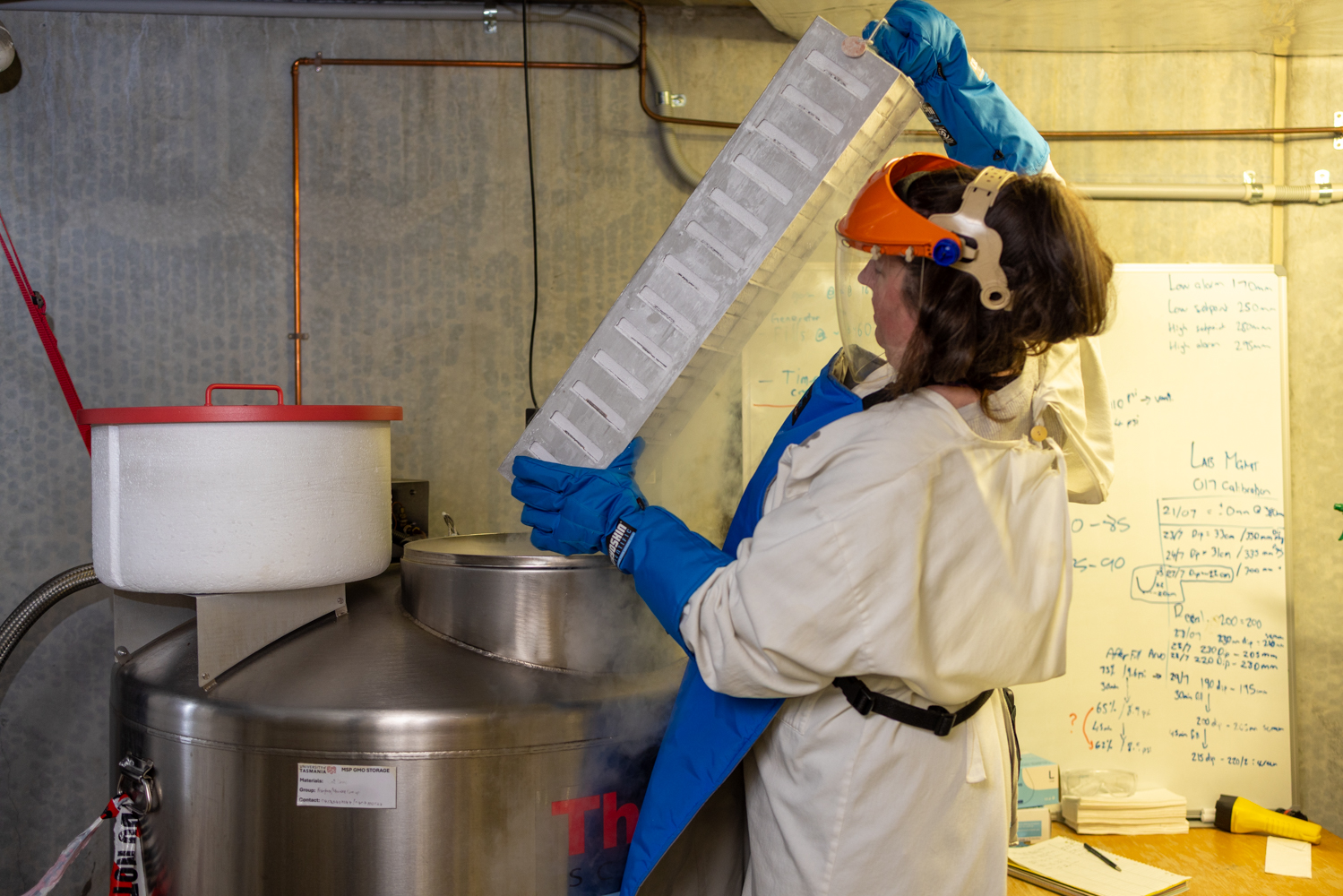
MS Stem will be highlighted at the Australasian Biospecimen Networking Association (ABNA) Annual Conference in Hobart from 16-18 September, where Dr Ariane Gélinas-Marion is an invited speaker on the development of Australia's only stem cell biobank dedicated to MS research.


