What the research is about
Gastric cancer (stomach cancer) develops when cells lining the inner surface of the stomach become cancerous and begin to grow uncontrollably. In Japan, it remains one of the most common types of cancer. Thanks to the widespread use of endoscopy, more cases are now detected at an early stage.
In early-stage gastric cancer-when the tumor is still confined to the inner layers of the stomach wall (T1 stage)-the five-year survival rate exceeds 90%, and fewer than 20% of patients have cancer spread to nearby lymph nodes. If the risk of lymph node metastasis is low, patients can often be treated with minimally invasive endoscopic procedures instead of undergoing major surgery.
However, once gastric cancer is diagnosed, the next crucial question is whether the cancer has spread to the lymph nodes. Currently, doctors rely on imaging tests such as CT (computed tomography) scans to look inside the body and check for enlarged lymph nodes. Unfortunately, small metastases are difficult to detect using this method, and studies report that 40-50% of lymph node metastases may be missed. As a result, some patients who do not actually have metastasis still undergo extensive stomach surgery to ensure safety.
Researchers have long searched for biological "markers" in tumor tissue removed during surgery that might indicate metastasis. Yet these methods have not been successfully translated into reliable tools for making decisions before surgery.
Why this matters
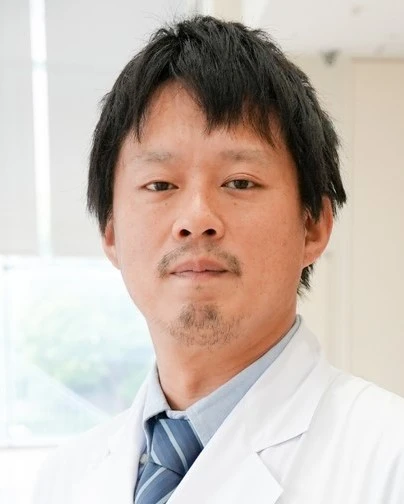
A research team led by Assistant Professor Keisuke Okuno at Institute of Science Tokyo (Science Tokyo) set out to overcome this challenge. They asked a simple but powerful question: Could a blood test detect lymph node metastasis in early-stage gastric cancer?
The team focused on DNA methylation-a chemical modification of DNA that acts as a molecular signature of cancer. By analyzing DNA methylation patterns across the entire genome in blood samples from patients, the researchers identified six new biomarkers that can distinguish whether lymph node metastasis is present.
They then combined these biomarkers with CT findings to create an integrated diagnostic model. This model was able to distinguish patients with and without lymph node metastasis with high accuracy.
The greatest challenge, however, came next. Only tiny amounts of tumor-derived DNA circulate in the bloodstream. Could they accurately detect methylation signatures specific to metastatic cancer from such small quantities? This was the biggest obstacle.
After careful validation, the team developed a diagnostic model that did not miss any patients with lymph node metastasis. They further translated this model into a practical blood test. Their results suggest that this test could help approximately 44% of patients avoid unnecessary major surgery.
What's next
This test uses a technique called quantitative PCR (qPCR), which amplifies small amounts of DNA while precisely measuring their quantity. Although qPCR is already widely used in medical settings-for example, in infectious disease testing-this study is the first to apply the technique to determine lymph node metastasis in early-stage gastric cancer using a blood test.
Because qPCR is relatively simple and already established in many hospitals, this approach has strong potential for clinical implementation. If doctors can assess metastasis risk from just a single drop of blood before surgery, they will be better able to choose the most appropriate treatment-whether endoscopic therapy or more extensive surgery. This DNA-based approach may also be applied to other types of cancer in the future.
Comment from the researcher
Now that gastric cancer has become a disease that can often be cured, we must also consider patients' quality of life after treatment. We aim to create a medical system in which patients receive only the treatment they truly need. We believe that small changes in DNA methylation found in blood may become the key to making that future possible.
(Keisuke Okuno, Assistant Professor, Department of Gastrointestinal Surgery, Institute of Science Tokyo)