
Geneva, Switzerland - Representatives from 19 centres in the UNITAR-affiliated International Training Centres for Authorities and Leaders (CIFAL) Global Network identified priorities for strengthening locally led implementation of the Sustainable Development Goals (SDGs) during a UNITAR side event at the 2026 High-Level Political Forum on Sustainable Development.
The discussion highlighted the importance of strong local institutions, context-specific capacity development, long-term partnerships, and greater knowledge exchange across the CIFAL Network. The insights, recommendations and strategic priorities emerging from the event will inform a CIFAL Global Network Outcome Document intended to guide the Network's future development and collective contribution to localizing the SDGs.
Held on 16 July 2026 in New York in a hybrid format, the event brought together representatives from CIFAL centres in the Dominican Republic, Durban (South Africa), Istanbul, Miami, Nigeria, Saudi Arabia, Surrey (United Kingdom) and Victoria (Canada), as well as representatives joining online from across the Network. Five centres participated in person and 14 joined remotely.
Connecting global commitments with local action
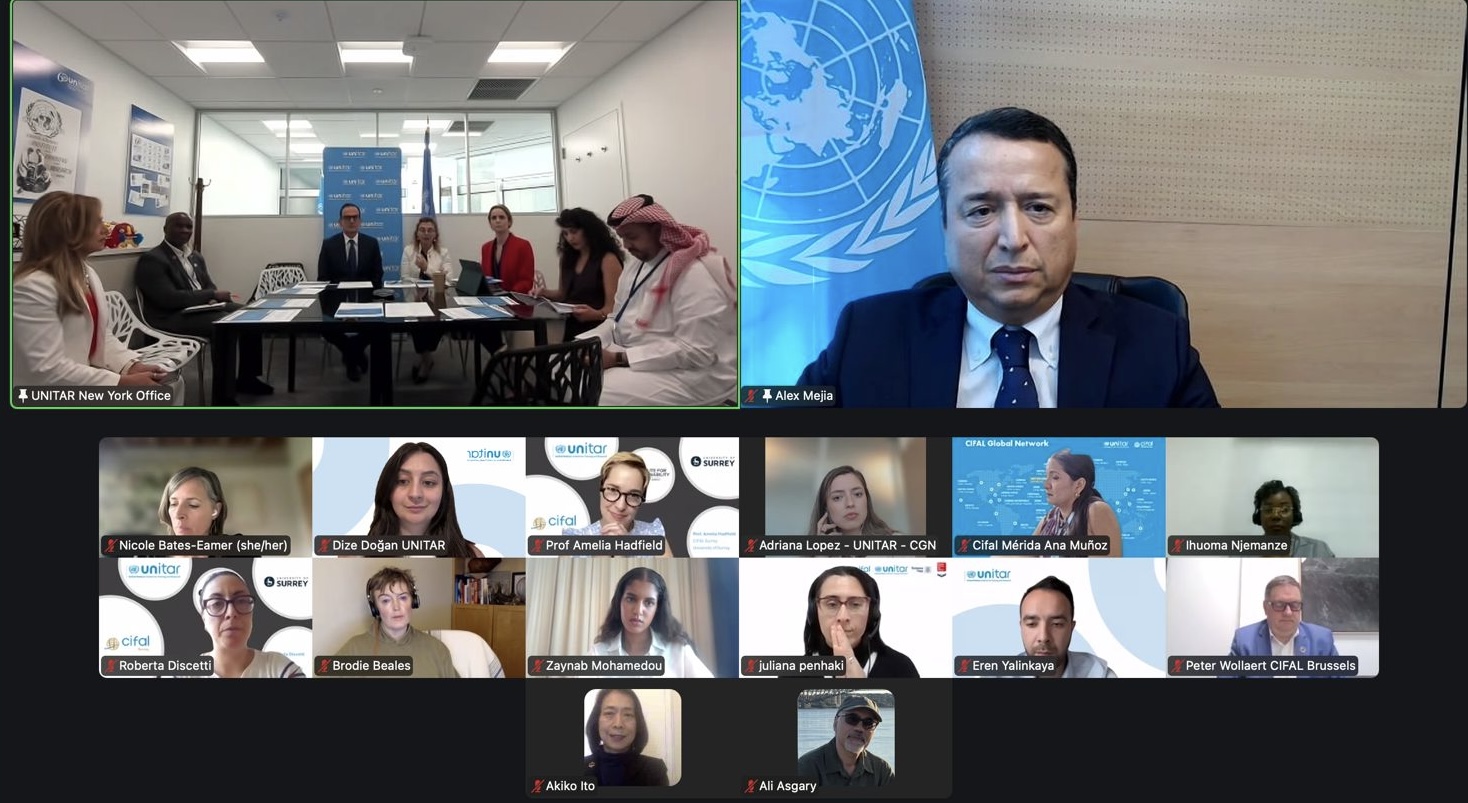
Opening the event, Ms Ebru Canan-Sokullu, Deputy Director of UNITAR's Division for People and Social Development and Deputy Head of the CIFAL Global Network, emphasized the role of local institutions and capacity development in translating global commitments into practical action.
Mr Alex Mejía, Director of the Division for People and Social Development and Head of the CIFAL Global Network, presented the Network as UNITAR's decentralized mechanism for local capacity development. He highlighted the importance of connecting international expertise with local institutions and tailoring learning and partnerships to different regional contexts.
The strategic dialogue, moderated by Ms Adriana López, Global Coordinator of the CIFAL Global Network, allowed participating centres to exchange practical experiences and consider how successful approaches could be shared and adapted across the Network.
A central message was that progress on the SDGs commitments depends primarily on the ability of local governments and institutions to respond to the priorities of their communities.
Local approaches to shared challenges
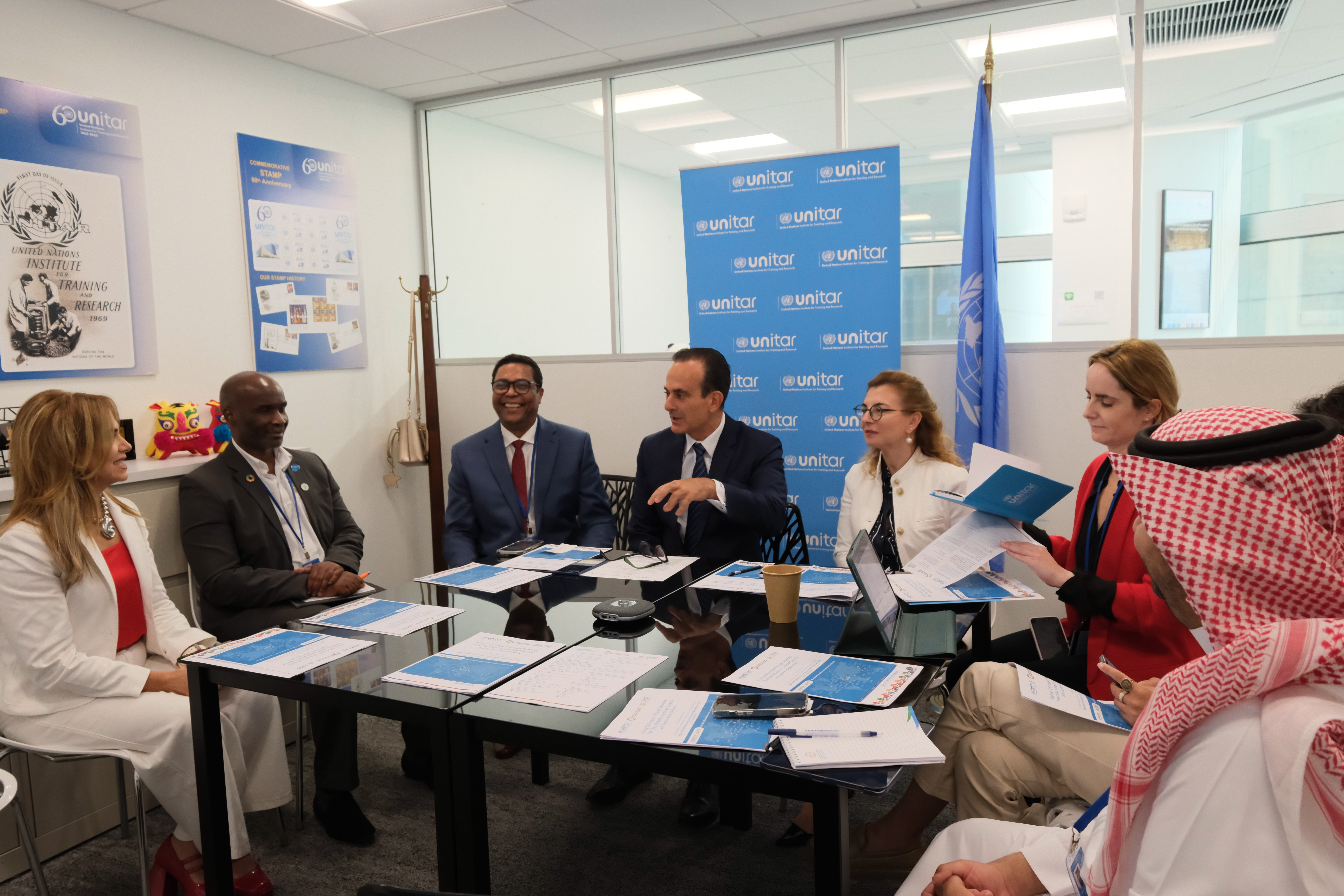
Participating centres presented examples of how capacity development and partnerships are being used to address different local challenges.
CIFAL Dominican Republic described its work with the Dominican Municipal League to provide technical support to municipalities and strengthen coordination between local and national levels of government. The centre also highlighted the alignment of part of the country's national budget with the SDGs as an example of how national planning and local implementation can reinforce one another.
CIFAL Durban presented initiatives addressing road safety, disaster-risk reduction and youth unemployment in South Africa. These include capacity-building programmes supporting municipalities with road-safety planning, disaster preparedness, early warning systems and local economic strategies.
CIFAL Victoria highlighted the importance of developing learning programmes through collaboration with communities. Its work brings together the SDGs and the United Nations Declaration on the Rights of Indigenous Peoples and applies the principle of "nothing about us without us" when working alongside Indigenous Peoples.
Across the examples, participants emphasized that effective capacity development should respond to local circumstances, strengthen institutions over time and bring together governments, academia, civil society, businesses and communities.
From dialogue to collective action
The discussion also identified opportunities to expand peer learning, strengthen collaboration between CIFAL centres and share approaches that could be adapted in other locations.
UNITAR will consolidate the main insights, recommendations and strategic priorities from the event, together with additional contributions from participating centres, into the CIFAL Global Network Outcome Document. The document will serve as a roadmap for future collaboration across the Network and its contribution to locally led implementation of the SDGs.
By connecting experiences from different regions, the CIFAL Global Network aims to strengthen the ability of local actors and institutions to translate global development priorities into action that responds to the needs of their communities.


