
 video." data-description="" data-title="CFB1602lb-Enhanced-NR" data-caption="
America's national labs produce some of the most advanced science in the world, but turning discoveries into commercialized technologies can be a challenge. That's where COMPASS, a new program spearheaded by Sandia National Laboratories and SLAC National Accelerator Laboratory, comes in.
"Sandia creates technologies. We don't create companies, so there's a gap," said David Kistin, Sandia's manager of technology and economic development.
Sandia's technology transfer team saw an opportunity to fill that gap. With help from SLAC and the Department of Energy's Office of Technology Commercialization, COMPASS was born.
"Venture capital is increasingly shaping how emerging technologies move from early discovery to real-world impact," said Mary Monson, Sandia's senior manager of Technology Partnerships and Business Development. "If we want Sandia technologies to reach new markets and scale, we need to be part of that ecosystem and build partnerships with non-traditional collaborators."
Traditionally, national labs have advanced technology through licensing, university and industry collaborations, cooperative research agreements and strategic partnership projects. COMPASS builds on those pathways by more directly engaging venture capital, entrepreneurs and startup networks.
COMPASS stands for Commercialization Pathways for Accelerating Scientific Solutions. The program focuses on bringing new technologies to the marketplace by building businesses around those technologies.
"Venture capitalists don't invest in technology alone; they invest in companies," Kistin said. "The goal is to get investor participation and feedback from the beginning. They bring experience working with founders and building companies along with the networks needed to help new ventures take shape."
Successful commercialization often requires the right investor at the right time.
The goal is to develop six venture-capital ready companies from the most impactful technologies across the national labs and sites, to include Sandia, SLAC, National Laboratory of the Rockies, Kansas City National Security Campus, and Los Alamos, Lawrence Berkeley, Brookhaven, and Savannah River National Laboratories.
To launch COMPASS, the team identified 30 promising technologies to present to investors. The investors will be actively involved in which technologies are developed, setting road maps and funding the technologies' development.
Projects from Sandia include:
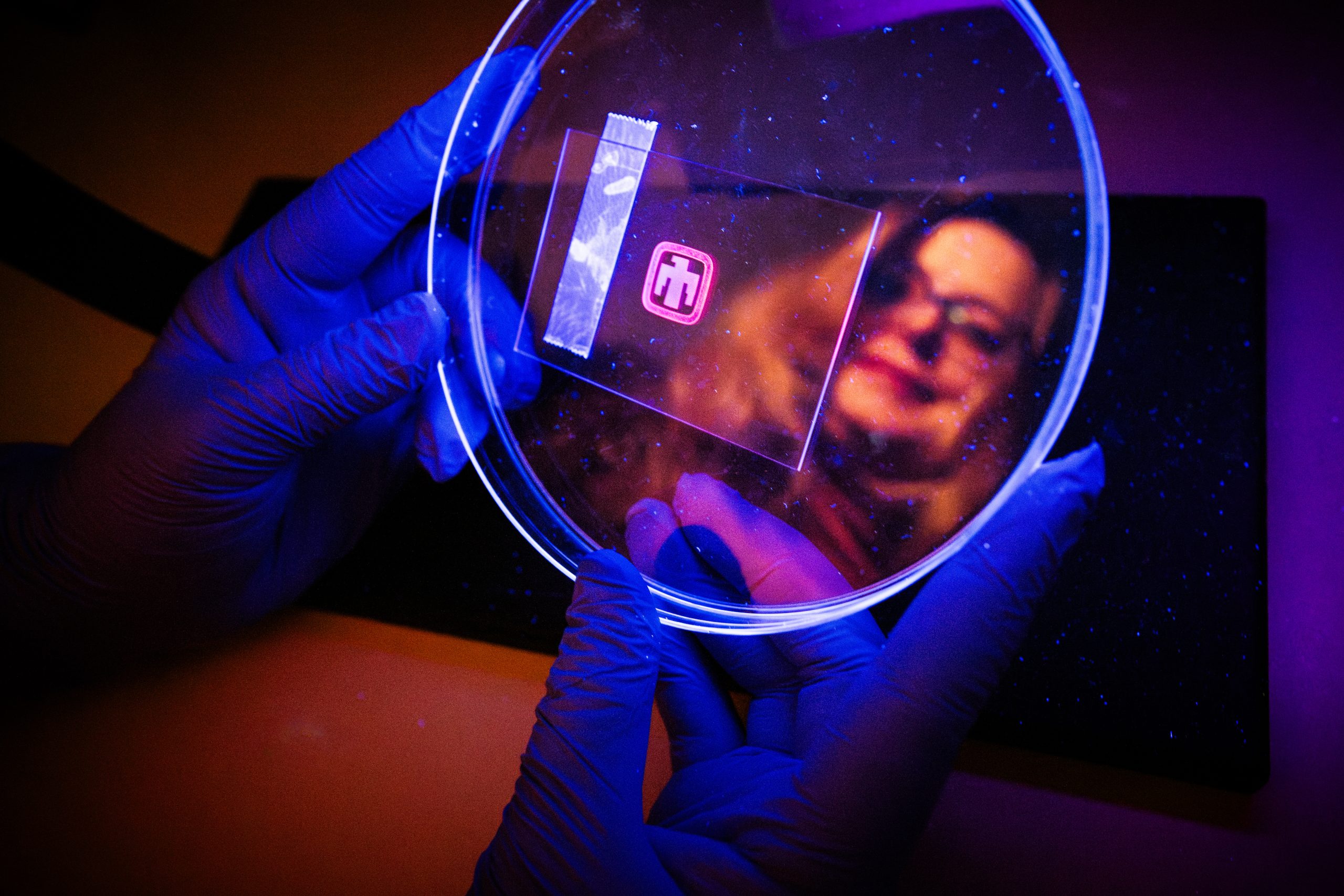
- AIMs, a printable security ink designed to detect counterfeit drugs.
- Aleph Semiconductor, a memory and switching layer designed to address a gap in quantum computers.
- Alethia materials, which reveal if a container has been tampered with without opening it.
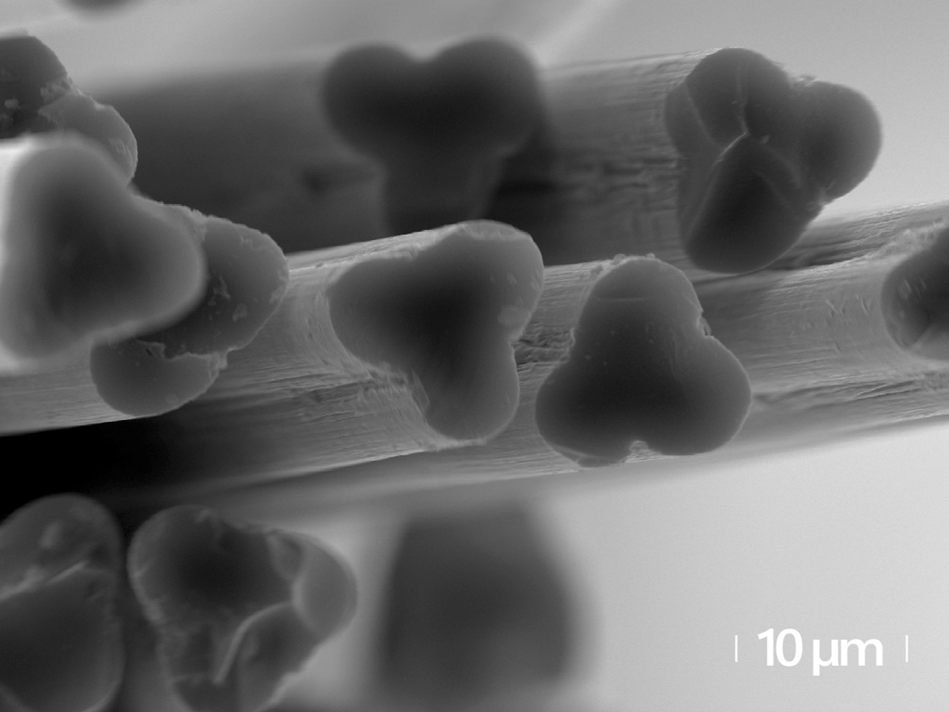
- Strand, a re-shaped more affordable carbon fiber.
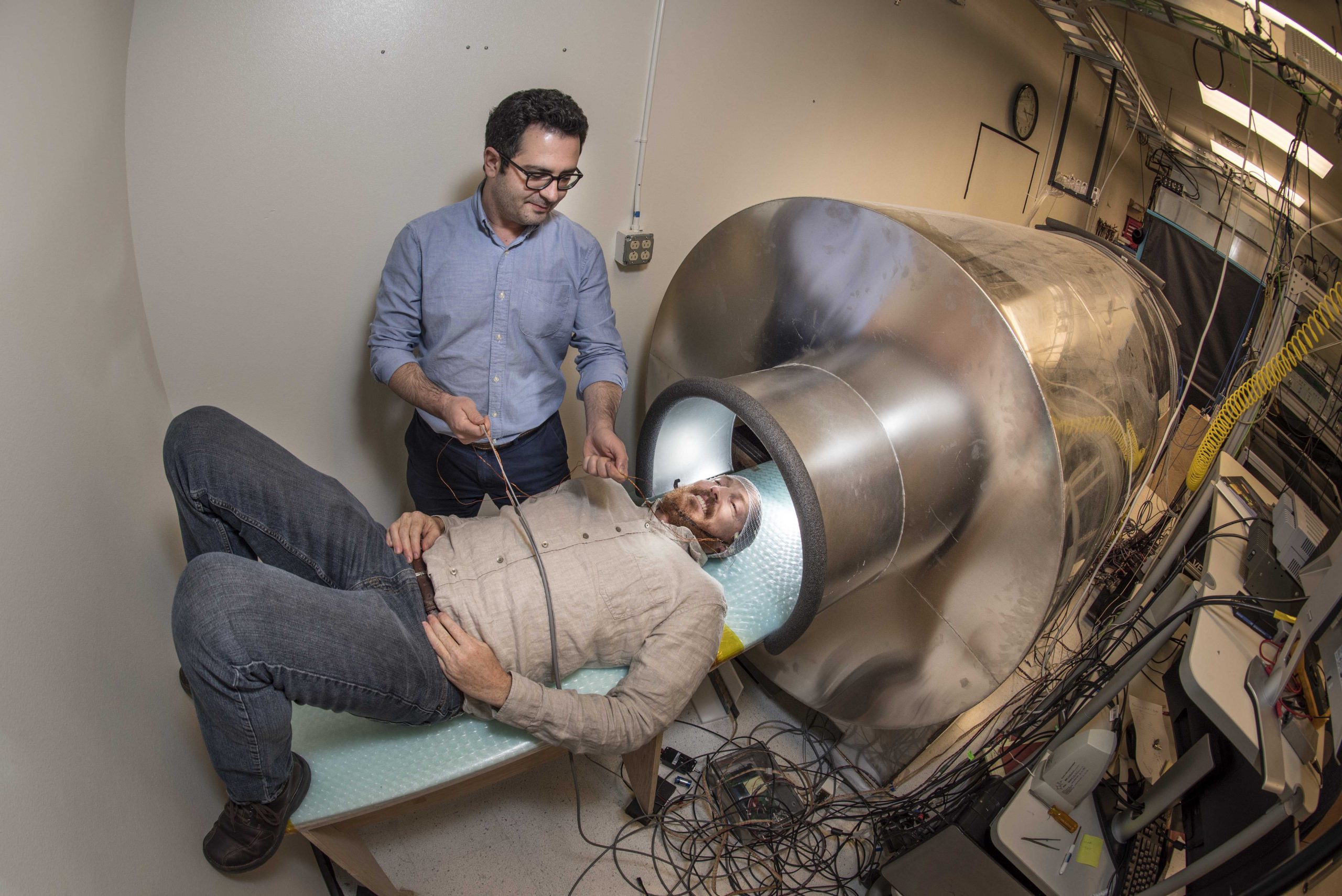
- OPM Brain Imaging, which monitors brain activity in real time.
- Ohmic AI, an advanced AI interference detector.
"More than ever investors want to take a role in building the companies, not just a stake in the outcome," said Alex Rousina-Webb, manager of technology transfer at SLAC National Accelerator Laboratory and co-lead of COMPASS. "We select technologies that can scale in markets that investors have identified as dynamic, build strong teams around these technologies, and run a level of due diligence you don't usually see in programs like this. Sandia co-founded COMPASS with SLAC. Like Sandia, SLAC creates new technologies and its location in California, Silicon Valley positions it well to connect with investors.
"Too many breakthrough technologies developed at national labs fail to reach the market because the bridge from invention to capital has not been built," Rousina-Webb said. "We think a more curated approach can help the most impactful technologies leave the labs and reach the markets that need them."
Sandia is also well-positioned to engage venture capital funds because of its relationship with the New Mexico State Investment Council, or SIC, which is tasked with growing the state's permanent fund. According to the SIC, its venture arm has committed more than $2 billion to 30 top-tier venture capital firms over the past three years and in 2025 alone generated more than $2.6 billion in projected economic impact in New Mexico.
"New Mexico has a prolific history of innovation, and the SIC's Strategic Venture Capital Program is designed to amplify the state's strengths, including technology and talent from our national laboratories," said Chris Cassidy, the council's director of private equity and venture capital. "Our program has already supported the creation of hundreds of high-wage permanent jobs for New Mexicans. COMPASS should bring even more."
COMPASS also has the support of the Department of Energy's Office of Technology Commercialization, which has awarded the program $8.4 million in funding over three years.
"The Energy Department's National Laboratories are generating technologies with enormous commercial potential, but technical excellence alone is not enough to bring those innovations to market," said DOE's Chief Commercialization Officer and Director of the Office of Technology Commercialization Anthony Pugliese. "COMPASS is testing a unique commercialization model designed to strengthen the pathway from laboratory innovation to market adoption. We supported this effort because it has the potential to accelerate the formation of high-impact companies around DOE technologies, and we're excited to see what this approach can deliver."
As a federally funded research and development center, Sandia develops technologies to strengthen the nation's technological superiority. To fully deliver on that mission, those innovations must reach the marketplace. The COMPASS team believes this program is uniquely positioned to help.
"These startups bring innovative thinking. They are agile and move quickly, but they lack the deep national security experience and the large-scale facilities that we have," Monson said. "It's a good match-up because they bring things that we need and we bring things that they need."
"We're hoping that the impact of these companies will get really big," Kistin said. "We are looking for home runs, not base hits."


