
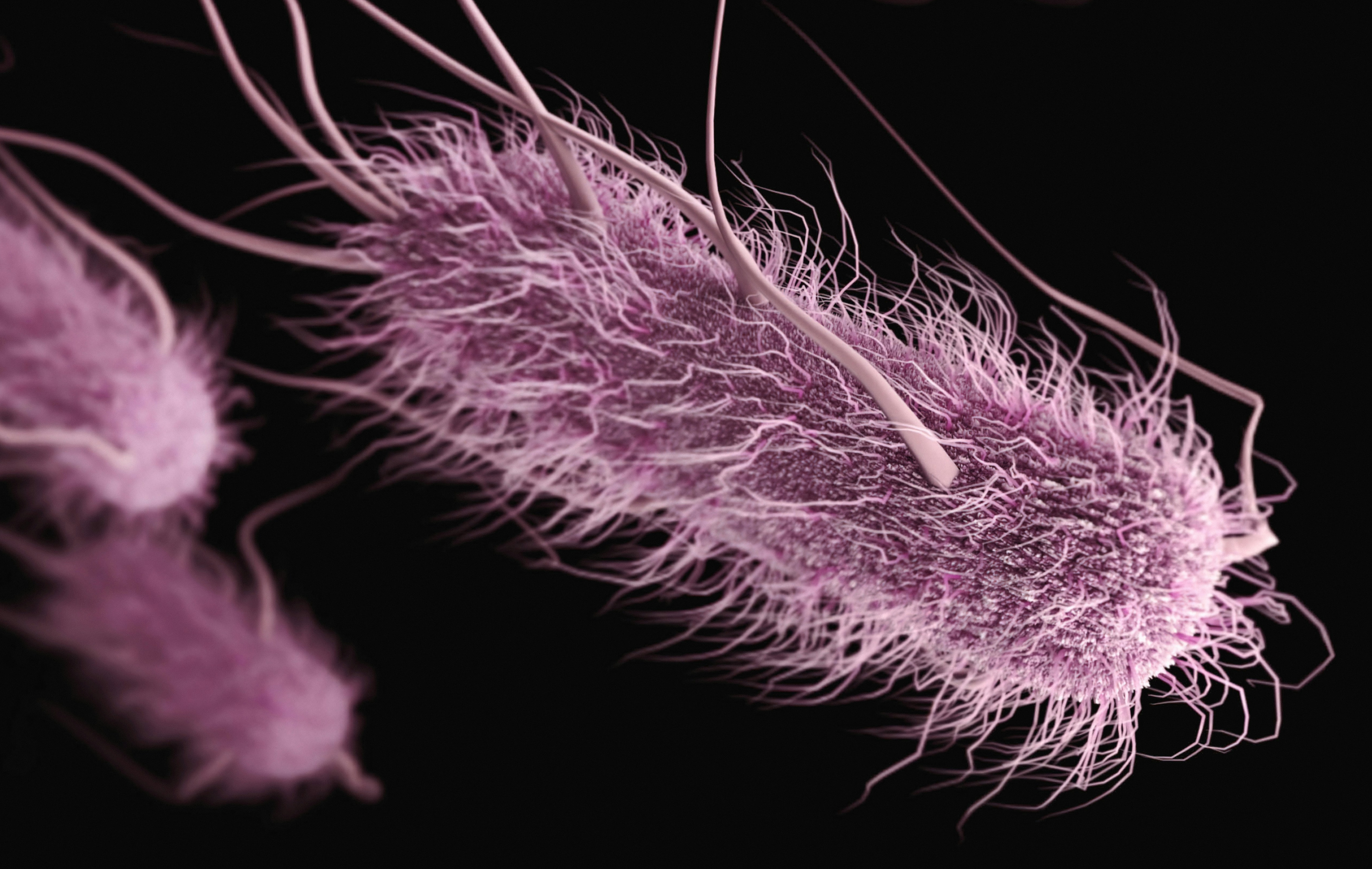
Toxic bug E. coli uses a secret weapon to survive in our gut even when it is being treated with antibiotics, scientists have revealed.
New research has unmasked a super-pump inside the bacteria, and its related Shigella species, that is activated by our stomach acid, flushing the drugs out before they work.
Experts at the University of Southampton discovered how the pump, called MdtF, helps the E. coli bug survive the harsh environments in our gut.
Lead author Ryan Lawrence , a molecular scientist from Southampton, said the findings could explain why it is becoming more difficult to treat with antibiotics.
He added: "We've never fully understood how this MdtF protein helps protect E. coli bacteria when it's inside our bodies - until now.
"Our research shows that this pump activates in response to the acid in our stomach, cleaning house and sweeping away toxins, even antibiotics.
"The MdtF pump supports biofilms which are very difficult to remove and may contribute to severe, reoccurring infections.
"Essentially, the harsh environment of our guts - where we need the medicine to work -potentially makes the pump more efficient."
The study, published in Nature Communications , was led by Southampton in collaboration with a team of scientists worldwide.
Most strains of the E. coli bacteria are harmless and live in our intestines.
However, antibiotic-resistant E. coli and Shigella are listed by the World Health Organisation as pathogens that are of the highest concern globally.
It says that antibiotic resistance complicates treatment which is associated with higher mortality rates and longer hospital stays.
The Southampton team used cyro-electron microscopy - a technique that uses a beam of electrons to image the 3D structure of proteins - to investigate the MdtF pump.
They discovered how it changes shape to eject harmful molecules to boost its defences against toxins and antibiotics.
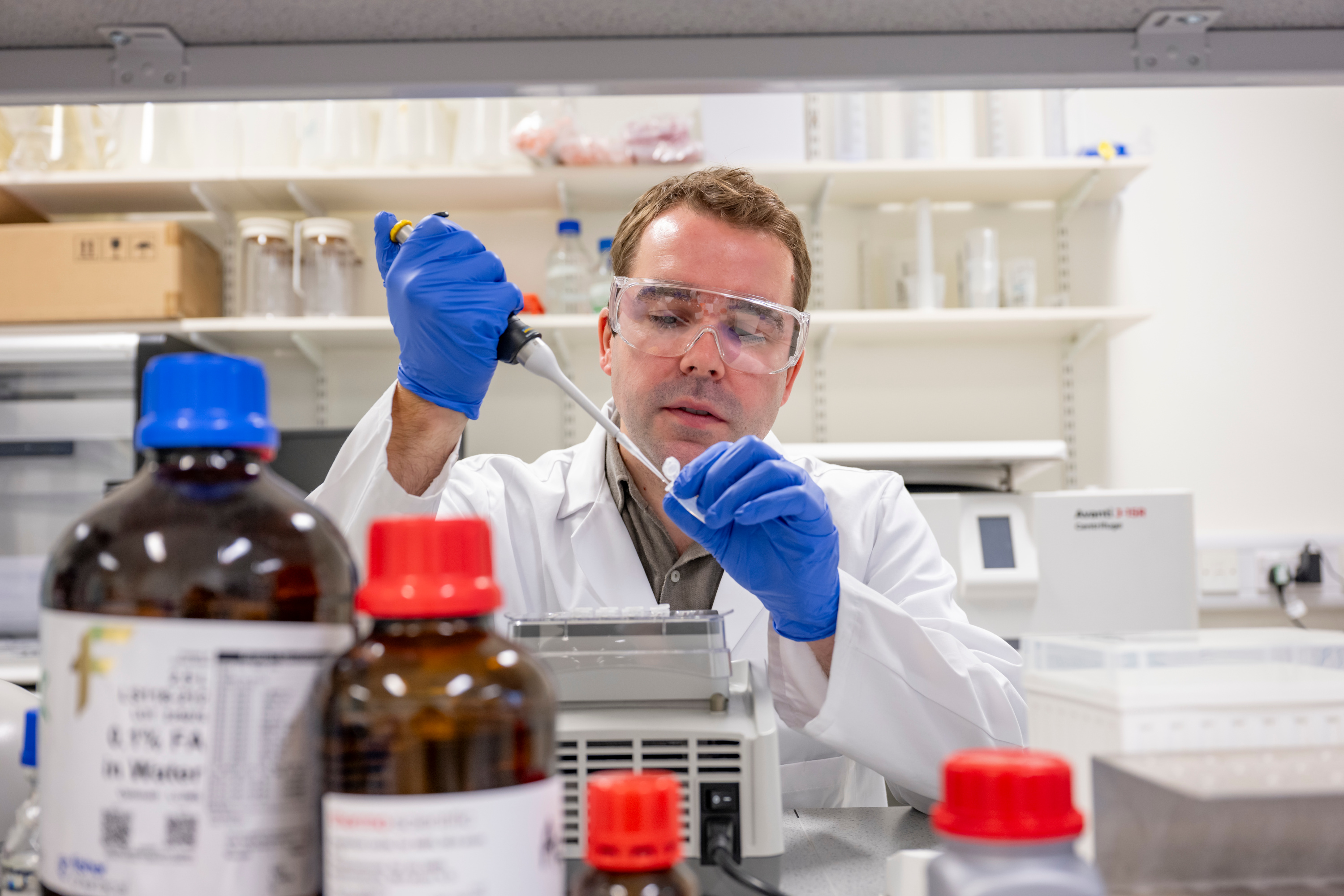
Co-lead Dr Eamonn Reading , an associate professor of Molecular Bioscience at Southampton, pictured above, said the findings explain how the bacteria thrives where drugs fail.
He added: "The harsh conditions inside our gut, low-oxygen and acidic environment, are the ones the MdtF pump is upregulated in and loves most.
"This makes it more resistant to the drugs we use against E. coli."
The scientists now believe their results could open the door to new treatments for drug-resistance superbugs.
Dr Reading added: "Now we know the blueprint for this E. coli super-pump, we can work on a better way to jam this class of antibiotic cleaners.
"We could create drugs that can break the pump, making the bugs increasingly defenceless against normal antibiotics."
Read the study at doi.org/10.1038/s41467-025-65565-7 .


