
Rutgers Health research shows patients who know their family history of gallstone disease are more attentive to easily misinterpreted symptoms
People might attribute midnight bouts of chest pain or waves of nausea to food poisoning, stress or a stubborn case of indigestion, but Rutgers Health researchers suggest that knowing your family's surgical past could pinpoint another cause: gallstone disease.
Their study, published in the Journal of Surgical Research, found that patients who were aware of family members' past gallbladder surgery were more likely to seek help early - and were less likely to end up in the operating room for high-risk, emergency gallbladder removal.
Researchers interviewed 24 patients who underwent either emergency or elective gallbladder removal surgery about their knowledge of gallstone disease symptoms before they sought medical care, their knowledge of family history of gallstone disease and the role that family, friends and coworkers played in their seeking care.
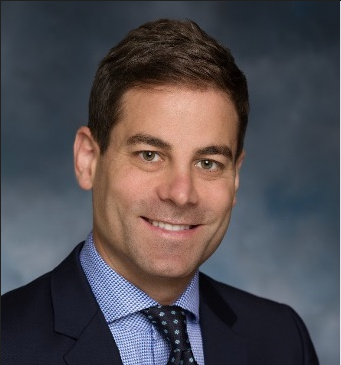
Gregory Peck, an associate professor in the department of surgery at Rutgers Robert Wood Johnson Medical School and principle investigator and senior author of the study, leads a National Institutes of Health-funded research team to determine causes of digestive disease requiring emergency surgery. His focus includes how often emergency gallstone disease occurs and if it could be preventable through multiple avenues, such as cholesterol-lowering medications, decreasing constipation or via bacterium in the microbiome. This current study sought to identify factors that could influence patients receiving lower-risk elective surgery rather than higher-risk emergency surgery to help inform preventative care.
Peck discusses the trends that researchers found in this hypothesis-generating study that can further understanding of how to prevent the dependence on emergency care in the healthcare system.
What are the risks of emergency gallbladder removal surgery?
Gallstone disease is the most common abdominal digestive disease requiring emergency surgery. There are more than 1.2 million gallbladder removal surgeries - called "cholecystectomies" - done each year.
People who have emergency cholecystectomies experience more tissue inflammation and are at higher risk for open surgery through large abdominal incisions, bleeding and complications like surgical site infections and longer hospital stays. Other research from my lab finds emergency cholecystectomies have an estimated 60-times greater fatality rate compared to elective surgery, which is an outpatient, laparoscopic cholecystectomy with tiny incisions. When patients reach an emergency state, there is a greater incidence that acute inflammation can cause a common bile duct injury, which can be catastrophic. In the worst-case scenario, people would need a liver transplantation.
What are the symptoms of gallstone disease and how are they often misinterpreted?
Symptoms - which can include pain in the right or middle back, shoulder, upper abdomen and chest, difficulty breathing, indigestion, nausea, vomiting, fever, chills, jaundice, bloating, lack of appetite - often lead people to self-diagnose as a possible heart attack, heartburn or food poisoning, when they really have an acute or subacute case of gallstone disease. Additionally, some patients we spoke to were having symptoms after starting on weight loss medications, like GLP-1-Receptor Agonists. The patients we spoke to said they often noticed these symptoms often at night, likely because they were less distracted.
If a patient is unaware of their family history, they, their doctors and even the emergency department physicians can dismiss symptoms like recurring vomiting as repeat episodes of food poisoning without making the connection of the symptoms to gallstone disease, which delays treatment.
Gregory Peck
Associate Professor, Department of Surgery, Rutgers Robert Wood Johnson Medical School
Some patients we spoke to suffered months and even years of symptoms before they sought medical care and received a diagnosis or treatment for gallstone disease.
Chest pain that is not associated with trauma accounts for over 6.5 million annual emergency department visits, and 47% to 57% of these patients are assigned a diagnostic code of "nonspecific chest pain," when in reality many may be experiencing gallstone-associated chest pain.
Why is it important to understand your family's surgical history
Gallstone disease can be heredity, especially in Hispanic populations, where the disease is more common and where genetic factors account for an estimated 45% to 65% of risk, some due to decreased intestinal motility.
In our study, 50% of the patients who underwent emergency surgery learned about their family history of gallstone disease only after their own diagnosis, versus 14% of nonemergency patients, who recognized their symptoms and had discussions with their doctor prior to the disease advancing to an emergency situation.
If a patient is unaware of their family history, they, their doctors and even the emergency department physicians can dismiss symptoms like recurring vomiting as repeat episodes of food poisoning without making the connection of the symptoms to gallstone disease, which delays treatment.
Gallstone disease is a surgical disease. When people talk to their families about their medical history, they often ask about conditions like heart disease, cancer and stroke, but they rarely ask about the family's surgical history, which could uncover other conditions that people should monitor. People should ask what surgeries their parents, grandparents and other family members have had.
Talking to family has other benefits as well: Our study found that family and friends were important in encouraging the patients to seek care and undergo surgery once the diagnosis was made. Think: If you were able to take a pill that reduced your risk of emergency surgery of any kind, you would take it, right?
Other authors and co-investigators include Noah Freundlich, Luis Cordero, Rachel Choron, Vicente Gracias, Mayur Narayan, Susannah Wise, Brian Strom and Shawna Hudson.
Explore more of the ways Rutgers research is shaping the future.


