Pastoralists are invited to learn how grader rehydration techniques can revitalise soil condition and aid pasture growth from one of Australia's leading authorities at an upcoming field day in Cue.
Pastoralists are invited to learn how grader rehydration techniques can revitalise soil condition and aid pasture growth from one of Australia's leading authorities at an upcoming field day in Cue.
The Department of Primary Industries and Regional Development (DPIRD) is hosting the Rangeland Rehydration Grader field day as part of its Southern Rangelands Revitalisation Program.
The field day will feature New South Wales expert Ray Thompson who will share his skills and knowledge of rangelands rehydration earthworks.
The full day agenda includes a demonstration of waterponding and waterspreading to help improve livestock productivity - especially in dry seasons.
"Waterponding is suited to duplex soils - allowing the water to pond on the surface causing the clay subsoil under the crust to swell and shrink, resulting in cracks, which trap native seed and allow water penetration - while waterspreading contours perform well on most sloping soils," he said.
"In the eastern states we've seen dry herbage mass increases of up to 5000 kilograms per hectare from using these methods over five average years of between 350 to 400 millimetres of rainfall.
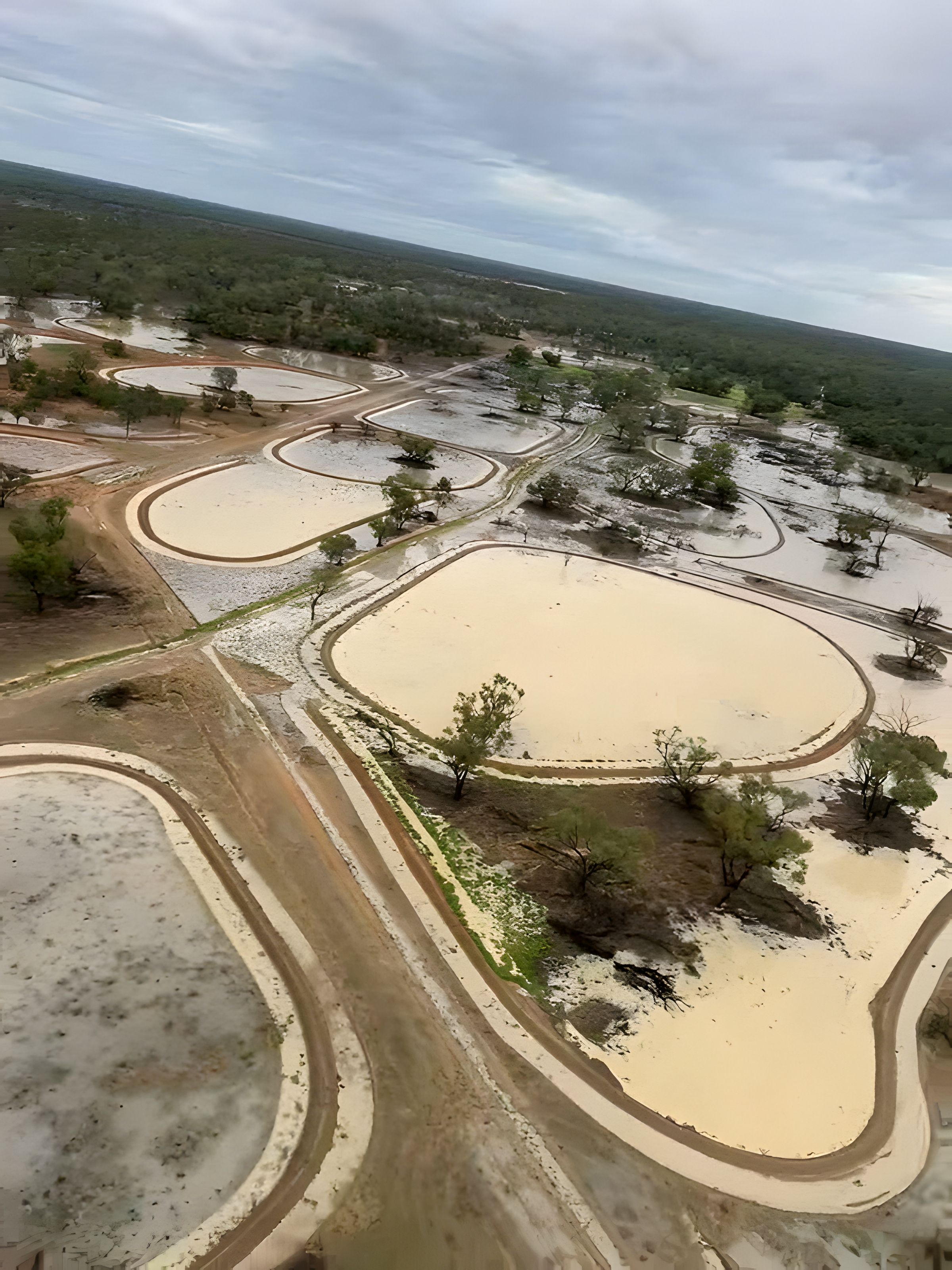
Waterponding involves grading horseshoe shaped banks creating ponds of just under half a hectare each to retain up to 10 centimetres of water after rain, helping salts leach from the surface and encouraging natural and sown pasture seed germination.
Waterspreading involves constructing earth banks to intercept runoff, diverting it from eroding drainage lines to wider, flatter areas that slow water velocity, promote lateral distribution and increase soil infiltration - aiding native pasture regrowth.
DPIRD principal research scientist Nathan Penny said interest continued to grow in earthworks as a tool to rehabilitate heavily degraded areas of pastoral stations.
"The field day will be a great opportunity for pastoralists to see first-hand how waterponding and waterspreading are undertaken by a specialist, who has more than 40 years' experience across Australia," he said.
"The day will help pastoralists to investigate, design and implement long-term solutions to improve rangeland condition and livestock profitability, building on other Southern Rangelands Revitalisation Program initiatives."
The morning program will cover the theory of waterponding and spreading, as well as the lessons learnt on all aspects of design, construction and management, including grazing control to support long term perennial pastures.
The afternoon session at Austin Downs station includes a field demonstration covering the survey, design and construction of grader-built waterponding and waterspreading banks.
Mr Thompson said the two laser surveyed methods, suited to different soils, would ultimately rejuvenate feed availability.
"This allows stations to carry stock in better condition throughout the year, carry stock longer, mange turnoff and reduce feed costs in drought - while being a win-win for the environment and landholders."
The Rangeland Rehydration Grader field day will be held from 9.30am to 4.30pm on Thursday, 17 September and starts at the Cue Community Resource Centre. For more information and to register visit the Humanitix website .