Many of Australia's unique freshwater fish species are edging closer to extinction, with new research warning that the nation's Wet Tropics is facing an escalating conservation crisis.
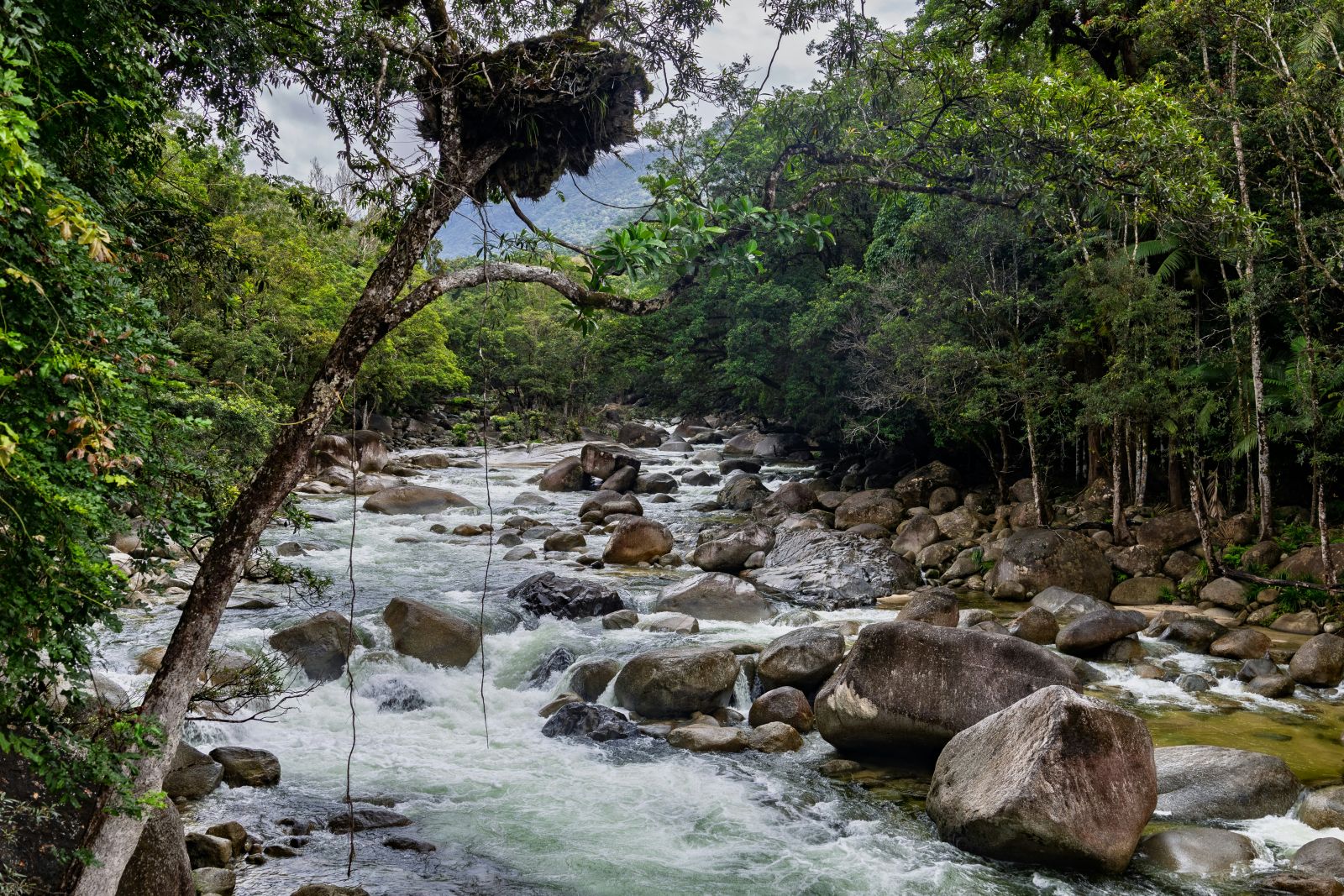
Dr Aaron Davis is Principal Research Officer at James Cook University's Centre for Tropical Water and Aquatic Ecosystem Research and co-author of the study, led by Dr Kaitlyn O'Mara a Research Fellow in Aquatic Ecology at Griffith University's Australian Rivers Institute. Dr Davis said freshwater ecosystems were among the hardest hit by global biodiversity loss.
"Modern extinction rates for freshwater fish are more than 100 times higher than natural extinction rates. Globally, nearly one-third of freshwater fish species are at risk of extinction, while an estimated 37% of Australian freshwater fish species are threatened," Dr Davis said.
The researchers assessed 22 rare and threatened Australian freshwater fish species, combining published research with the expertise of regional specialists to evaluate the impacts of historical and emerging environmental threats.
"We identified invasive species, climate change, declining water quality, habitat degradation and altered river flows as the most significant threats to native fish populations.
"Hybridisation – the crossbreeding of introduced and native species – was also identified as a serious threat, particularly for fish with small, isolated populations," Dr Davis said.
The study found rainbowfish and cling gobies were among the species facing the greatest risk. Several were classified as being at high or very high risk of extinction, highlighting the urgent need for coordinated recovery efforts.
"Despite the vulnerability of these species, there are no formal recovery strategies. We believe this reflects problems with legislative processes, funding constraints and competing policy priorities, all of which are slowing conservation action generally as environmental pressures continue to intensify," Dr Davis said.
The researchers proposed a suite of practical conservation measures to reverse the decline.
"If we want these fish to survive, we need to protect and restore critical habitat, improve riparian vegetation management, control invasive species, and introduce targeted translocation and captive breeding programs for the most threatened species," Dr Davis said.
He said the study provides a foundation for future conservation listings and the development of multi-species recovery strategies under existing state and national environmental frameworks.
Dr Davis said some of the fish species are completely restricted to just certain parts of single, often quite small, catchments.
"So, their entire global population is extremely vulnerable to a range of potential catastrophic events like pollution, a major landslide upstream filling up instream habitats, a heatwave or hypoxic (low dissolved oxygen) event, or the introduction of a feral species, affecting the entire population. An event like this, which can be very local, and certainly do occur, can wipe out an entire species."
He said strengthening evidence-based conservation planning will be essential if conservation action is to keep pace with accelerating threats.
"If we don't move quickly, we risk losing species found nowhere else on Earth," Dr Davis said.
Link to paper here.