
From AI-powered drug discovery to regenerative therapies and next-generation neurology tools, Mayo Clinic researchers made significant strides in 2025 toward predicting, preventing and treating some of the world's most serious and complex diseases.
These discoveries reflect progress across three major innovation efforts at Mayo Clinic. Mayo Clinic clinicians and scientists are working together to develop tools to predict and intercept biological processes before they evolve into disease or progress into complex, hard-to-treat conditions through the Precure initiative. They are advancing new cures for end-organ failure beyond traditional transplantation as part of the Genesis initiative. They are also uniting clinical insight with cutting-edge engineering to deliver novel neurological diagnostics and therapies through the Bioelectronics Neuromodulation Innovation to Cure (BIONIC) initiative.
1. 'Virtual clinical trials' may predict success of heart failure drugs
Mayo Clinic researchers have created "virtual clinical trials" that advance the discovery of therapies while reducing time, cost and the risk of failed studies by combining advanced computer modeling with real-world patient data as part of the Precure and Genesis initiatives. Through one virtual clinical trial, they have developed a new way to predict whether existing drugs could be repurposed to treat heart failure, one of the world's most pressing health challenges.
"Clinical trials will always remain essential," says Cui Tao, Ph.D., the Nancy Peretsman and Robert Scully Chair of Artificial Intelligence and Informatics and vice president of Mayo Clinic Platform Informatics. "But this innovation demonstrates how AI can make research more efficient, affordable and broadly accessible. Integrating trial emulation, simulation, synthetic trials and biomedical knowledge modeling opens the door to a new paradigm in translational science."
2. New discovery may unlock regenerative therapies for lung disease
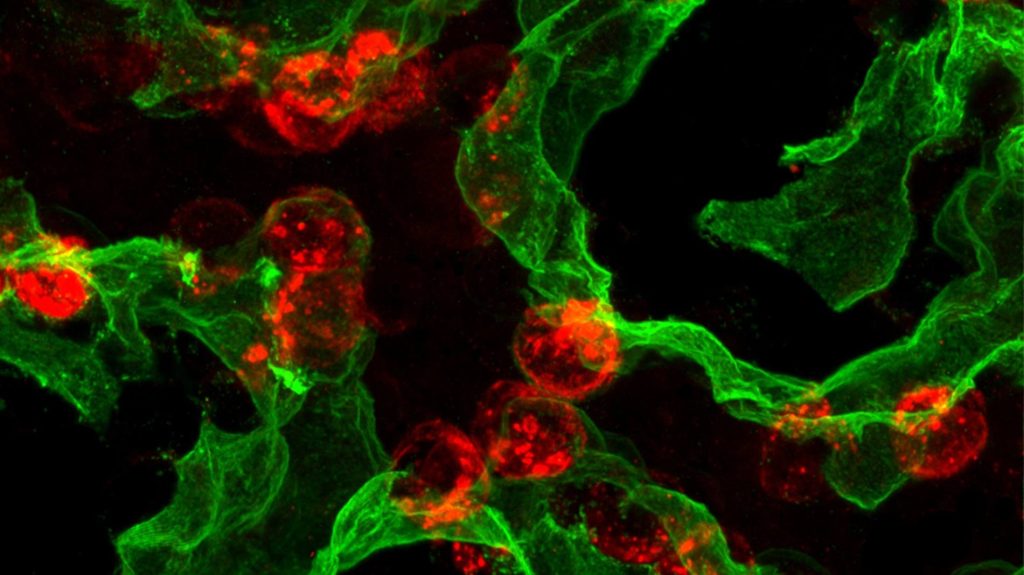
Mayo Clinic researchers have uncovered the molecular "switch" that directs a small but powerful set of cells that choose whether to repair tissue or fight infection, a discovery that could inform regenerative therapies for chronic lung diseases, which is part of Mayo Clinic's Genesis initiative.
"We were surprised to find that these specialized cells cannot do both jobs at once," says Douglas Brownfield, Ph.D., senior author of the study. "Some commit to rebuilding, while others focus on defense. That division of labor is essential - and by uncovering the switch that controls it, we can start thinking about how to restore balance when it breaks down in disease."
3. Stem cells may offer new hope for end-stage kidney disease treatment
Mayo Clinic researchers found that injecting patients' own stem cells from fat cells into the vein before hemodialysis, a treatment for end-stage kidney disease, often helped prevent inflammation and vein narrowing. This could help millions of people tolerate dialysis longer, extending the time before they require a kidney transplant as part of the Mayo Clinic Genesis initiative.

"This approach has the potential to improve outcomes for millions of patients with kidney failure, reduce healthcare costs and inform new clinical guidelines for dialysis access management if validated in larger clinical trials," says Sanjay Misra, M.D., a Mayo Clinic interventional radiologist.
4. Mayo Clinic physicians map patients' brain waves to personalize epilepsy treatment

Using detailed maps of each patient's unique brain wave patterns, Mayo Clinic physicians can now pinpoint where stimulation is most effective, moving beyond the traditional one-size-fits-all approach to epilepsy treatment. This research is part of the BIONIC initiative.
"The long-term goal is to quiet the seizure network, so it is eventually forgotten. Reorganizing the neuronal network could move us beyond controlling seizures to actually curing epilepsy," says Nick Gregg, M.D., a Mayo Clinic neurologist.
5. New genetic biomarker flags aggressive brain tumors
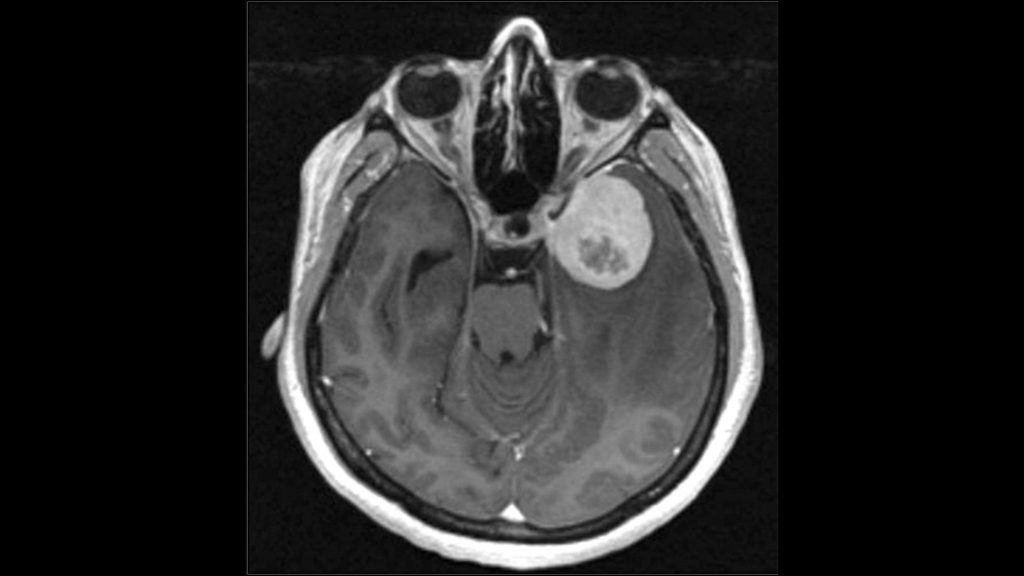
Mayo Clinic researchers found when meningiomas - the most common type of brain tumor - show activity in a gene called telomerase reverse transcriptase (TERT), it tends to recur more quickly, even if it looks low grade under the microscope. This is part of the Mayo Clinic Precure initiative.
"High TERT expression is strongly linked to faster disease progression," says Gelareh Zadeh, M.D., Ph.D., a neurosurgeon at Mayo Clinic and senior author of the study. "This makes it a promising new biomarker for identifying patients who may be at greater risk of developing aggressive disease."
6. Mayo Clinic researchers discover the immune system's 'fountain of youth'
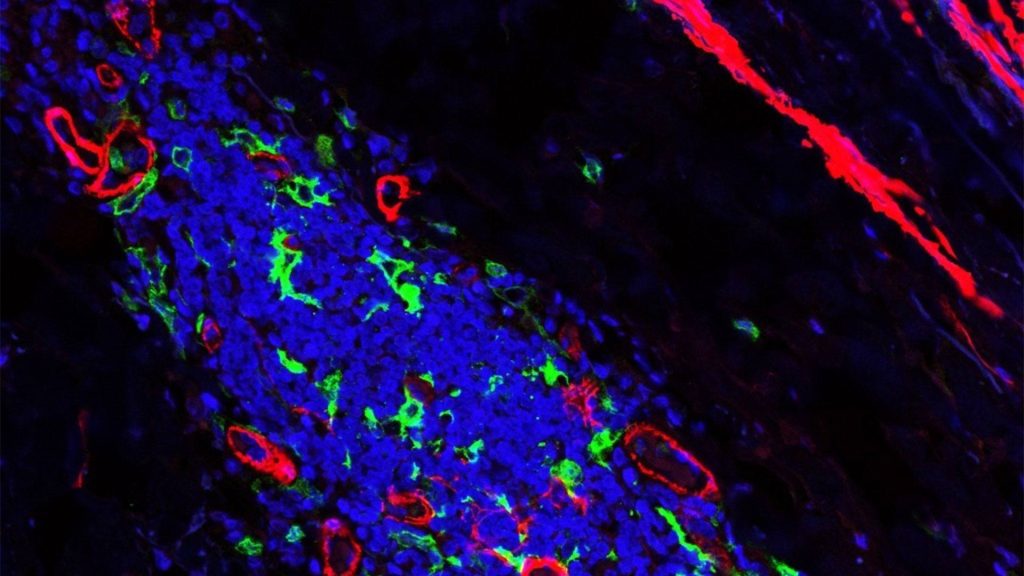
Mayo Clinic researchers have found that some older people maintain "immune youth" - a new term coined by Mayo researchers to explain a young immune system in someone over age 60.
"We observed that these patients have very young immune systems despite being in their 60s and 70s. But the price they pay for that is autoimmunity," says Cornelia Weyand, M.D., Ph.D., a Mayo Clinic rheumatologist and clinician-scientist. This is part of the Mayo Clinic Precure initiative.
7. Mayo Clinic tools predict, identify and diagnose Alzheimer's, dementia quicker

Mayo Clinic researchers have developed new tools to estimate a person's risk of developing Alzheimer's disease years before symptoms appear as part of the Precure initiative and to help clinicians identify brain activity patterns linked to nine types of dementia, including Alzheimer's disease, using one scan. They also confirmed the accuracy of an FDA-approved blood test that can be used at outpatient memory clinics to diagnose the disease in patients with a range of cognitive impairment.
"Every patient who walks into my clinic carries a unique story shaped by the brain's complexity," says David T. Jones, M.D., a Mayo Clinic neurologist. "That complexity drew me to neurology and continues to drive my commitment to clearer answers."
8. Mayo Clinic research improves dense breast cancer screening and early detection
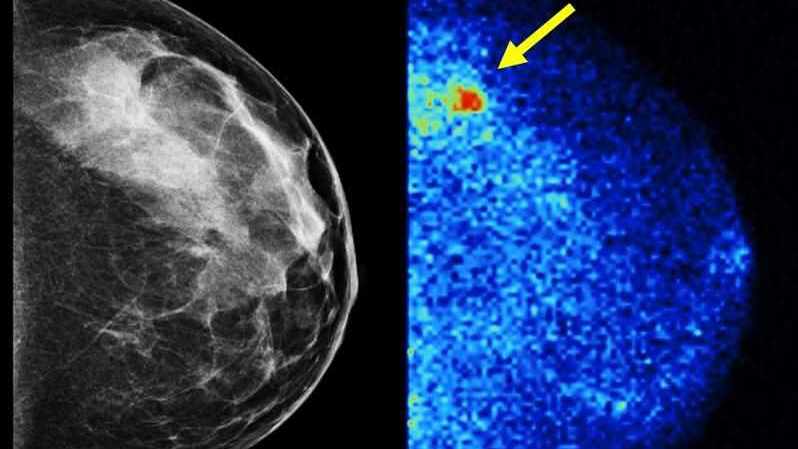
Nearly half of all women in the U.S. have dense breast tissue, which can make detecting breast cancer difficult with a mammogram. Mayo Clinic researchers found that adding another test, called molecular breast imaging, or MBI, to a 3D mammogram, improved the ability to find cancer in dense tissue by more than double.
"Our research focuses on detecting the most lethal cancers, which can include invasive tumors that grow quickly. If these are detected earlier, we likely can save more lives," says Carrie Hruska, Ph.D., a Mayo Clinic professor of medical physics and lead author of the study.
9. Mayo Clinic researchers find 'sugar coating' cells can protect those typically destroyed in type 1 diabetes
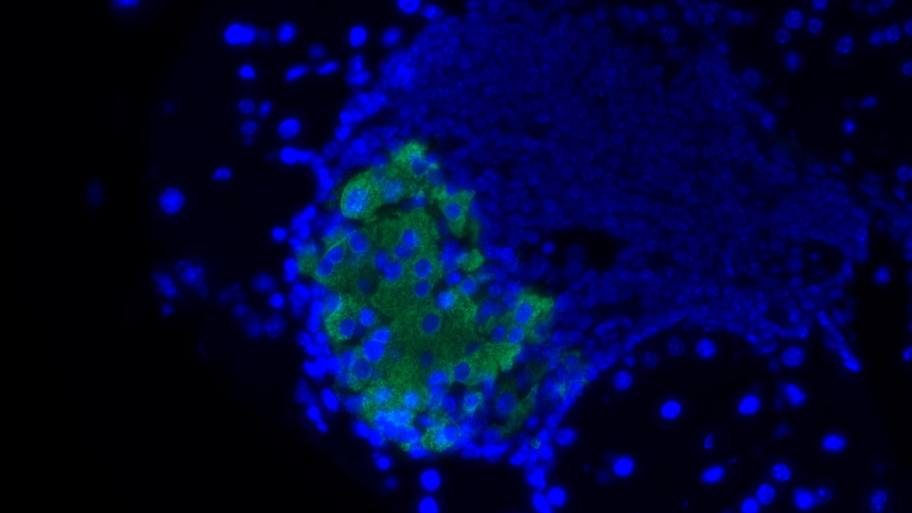
After identifying a sugar molecule that cancer cells use on their surfaces to hide from the immune system, Mayo Clinic researchers have found the same molecule may eventually help in the treatment of type 1 diabetes, once known as juvenile diabetes.
"A goal would be to provide transplantable cells without the need for immunosuppression," says Virginia Shapiro, Ph.D., a Mayo Clinic immunology researcher. "Though we're still in the early stages, this study may be one step toward improving care."
10. New study calculates autoimmune disease prevalence
Mayo Clinic researchers and collaborators have described - for the first time - the prevalence of autoimmune diseases in the U.S. Their research reports that about 15 million people are estimated to have one or more of 105 autoimmune diseases. The study also found that autoimmune diseases occur most often in women, and it identified the top autoimmune diseases by prevalence, sex and age.
"Knowing the number of patients with an autoimmune disease in the U.S. is critical to assess whether these diseases are increasing or decreasing over time and with treatment," says DeLisa Fairweather, Ph.D., vice-chair of translational research for the Department of Cardiovascular Medicine at Mayo Clinic in Florida and corresponding author of the study.


