
As the World Cup moves towards its final stages, Southern Cross University Professor Judith Mair says the real test of a major event is not the size of the crowd or the spectacle on screen, but what remains for local communities long after the fans go home.
While attention is now on who will lift the trophy, the question that lingers longer than the final score for host cities, governments and communities is: what makes a mega-event worth hosting?
For Professor Judith Mair, a researcher in major and mega-events, sport tourism, sustainability and legacy, the answer is not simply visitor numbers, hotel bookings or how much money is spent during the tournament.
A good event, she says, is one that creates benefits people can still see and feel after the final whistle.
"Economic impact is very important, of course," Professor Mair says. "But if we can use events as an opportunity to upskill local people, strengthen community cohesion and make people feel proud of where they belong, these are impacts that can last a lot longer than simple economic impacts."
Professor Mair works at The Hotel School Australia, Southern Cross University, where her research examines case studies of the Olympic Games, Paralympic Games, and other mega-events to understand what makes a successful legacy, what gets in the way, and how host destinations can plan for outcomes that last.
Rather than looking only at the economic return, Professor Mair studies both socioeconomic impacts – such as jobs, volunteering, education and skills – and broader social impacts, including community pride, belonging, cohesion and the way people feel about the place they live.
Mega-events are often sold on the promise of legacy.
They can bring visitors, global attention, investment and moments of shared pride. But Professor Mair says those benefits do not happen automatically.
"One common misconception is that watching elite sport will inspire local communities to become more active or take up sport in the long term," she says.
"There's not really much evidence to suggest that we've ever been particularly successful at encouraging the local population to become healthier or more physically active just as a result of hosting major events like the Olympics."
The same caution applies to economic impact. While major events can bring visitor spending and global exposure, the benefits do not always flow evenly to local businesses or continue once the teams, fans and media have left.
Professor Mair's research asks a broader question: how do major events affect the quality of life of the people who host them?
That means looking at the positives and the negatives.
A major event might create entertainment, family experiences, volunteering opportunities, jobs, training and civic pride. It can also bring congestion, disruption, frustration with crowds, or a sense that local residents have been pushed aside.
For Professor Mair, the important distinction is between short-term excitement and long-term value.
A full stadium may make an event feel successful in the moment. But a lasting legacy depends on whether the event strengthens the destination, the community and the people who live there.

There is no single formula for a successful legacy.
Professor Mair says the right legacy for one city will not necessarily be right for another.
"Barcelona is often talked about as one of the stronger examples of a mega-event being used as a catalyst for long-term change. The Olympic Games helped support the renewal of a rundown part of the city, delivered infrastructure improvements and contributed to Barcelona becoming one of the world's major visitor destinations," she says.
"But the lesson is not that every host city should try to copy Barcelona. Successful legacy is always place-based. It has to start with asking what that community actually needs, what the event can realistically help deliver, and who needs to be involved from the beginning.
"What works for one city will not necessarily be the right legacy for another," she says.
Professor Mair says cities need to plan for legacy from the outset – ideally from the bidding stage.
That planning can include:
- making it easier for local residents to access and enjoy the event
- using local suppliers, sponsors and volunteers where possible
- creating volunteering, training and skills opportunities
- working with community groups on issues that matter locally
- using events to bring people together and strengthen social connection
- creating school outreach, education and upskilling programs
- measuring success beyond attendance, visitor spend and broadcast reach
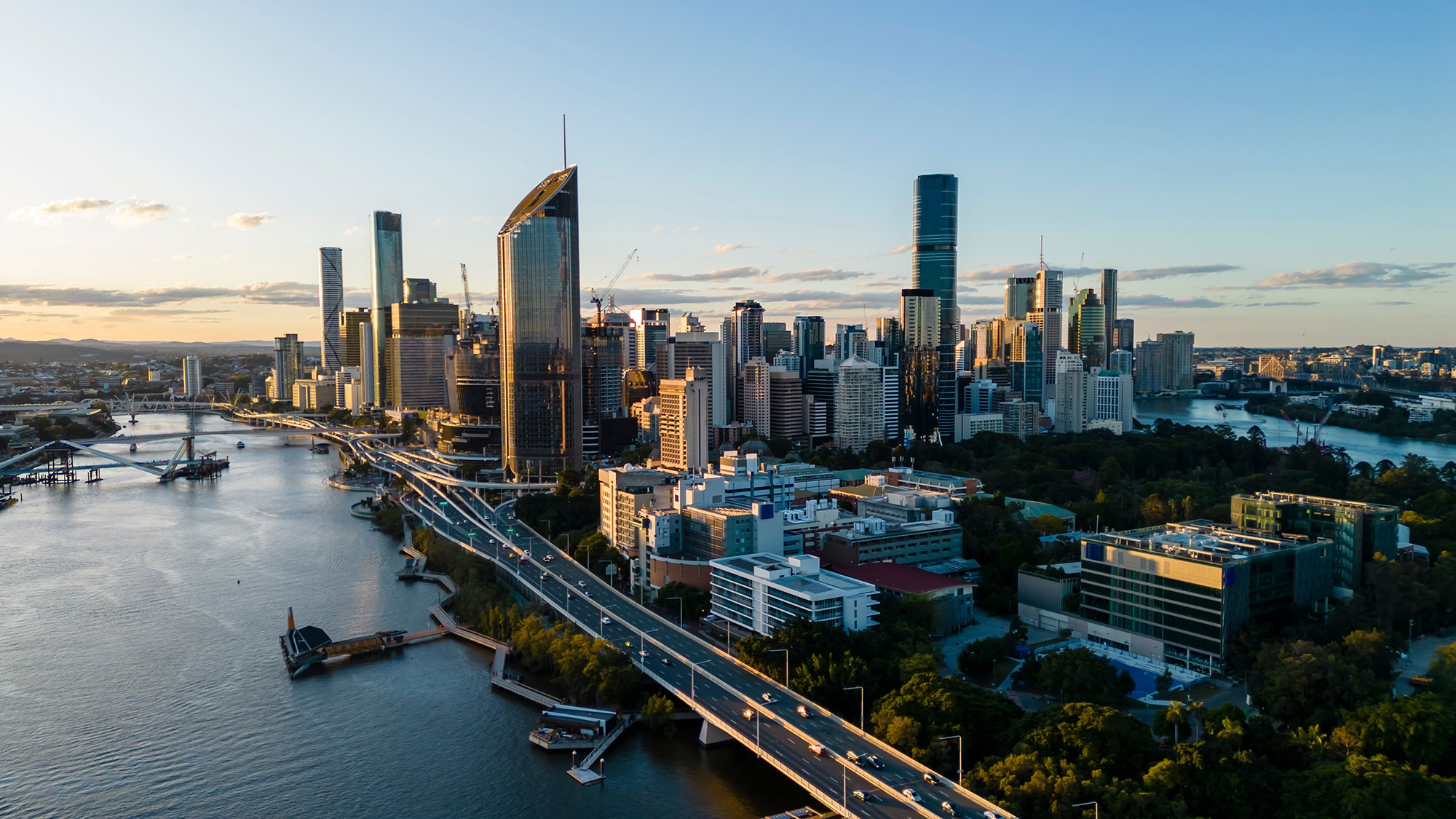
"The best thing that a destination can possibly do to ensure a positive legacy is to make sure that it plans for one," Professor Mair says.
"Legacies have to be planned from the very outset. That's the only way to ensure that the legacy outcomes sought are actually achieved and achievable."
The question of legacy is becoming increasingly important for Australia as Brisbane and South East Queensland prepare to host the 2032 Olympic and Paralympic Games.
"The most important thing to do at the moment is to identify exactly what we want to see as a result of hosting these Games," says Professor Mair.
"What do we want our legacy to be? Once we know what we want to achieve, we can plan for that."
For host cities, the real test is not only whether they can stage a successful event. It is whether they can turn a temporary global spotlight into long-term benefits for local people.
/prod01/channel_8/media/scu-dep/news/images/2021/The-Conversation-women-AFL.png) Play video
Play video 


