
4 min read

A team of researchers from Adelaide University and the SmartSat Cooperative Research Center in South Australia has successfully uploaded and demonstrated NASA and IBM's open-source Prithvi Geospatial artificial intelligence (AI) foundation model aboard two in-orbit platforms, making it the first geospatial foundation model to be deployed in orbit. Trained on 13 years' worth of data, Prithvi can facilitate a wide variety of Earth observation tasks.
By uploading a compressed version of Prithvi to the South Australian government's Kanyini satellite and to the Thales Alenia Space IMAGIN-e (ISS Mounted Accessible Global Imaging Nod-e) payload aboard the International Space Station, the researchers tested the model's flood and cloud detection performance across two different orbiting platforms and computing environments.
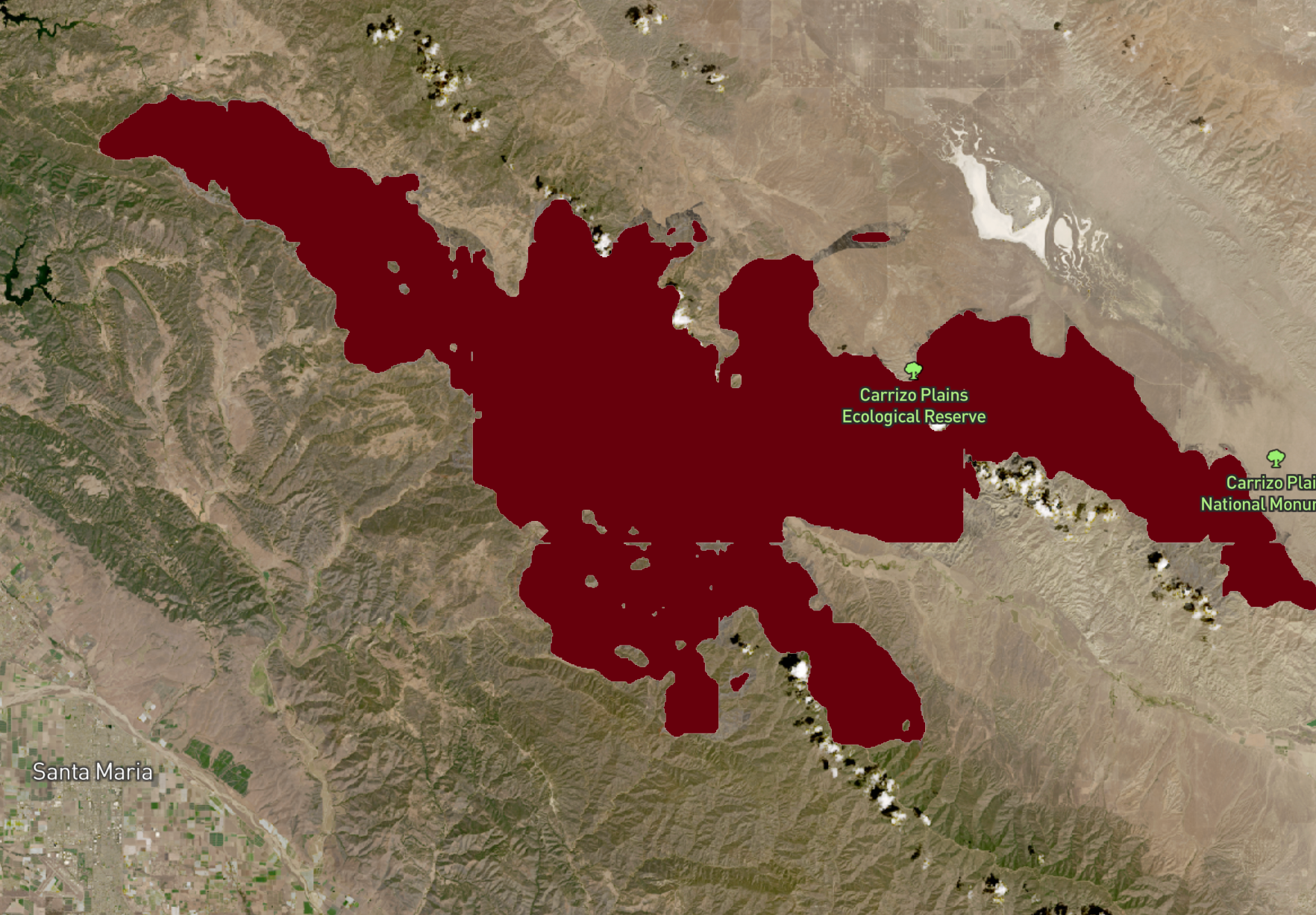
The team chose Prithvi for their research because of its strong generalization across Earth observation tasks, and because of its availability as an open-source model.
"If Prithvi weren't open source, I would have to train my own foundation model," said Dr. Andrew Du, the project's lead researcher, who is a postdoctoral researcher at Adelaide University and an AI engineer at the SmartSat Cooperative Research Center. "Having that model openly available saved a lot of time and effort."
A foundation model is an AI model trained on an enormous amount of unlabeled data, which allows the model to begin detecting patterns in the data that humans wouldn't notice on their own. The model can then be fine-tuned for specific applications using much smaller amounts of labeled data.
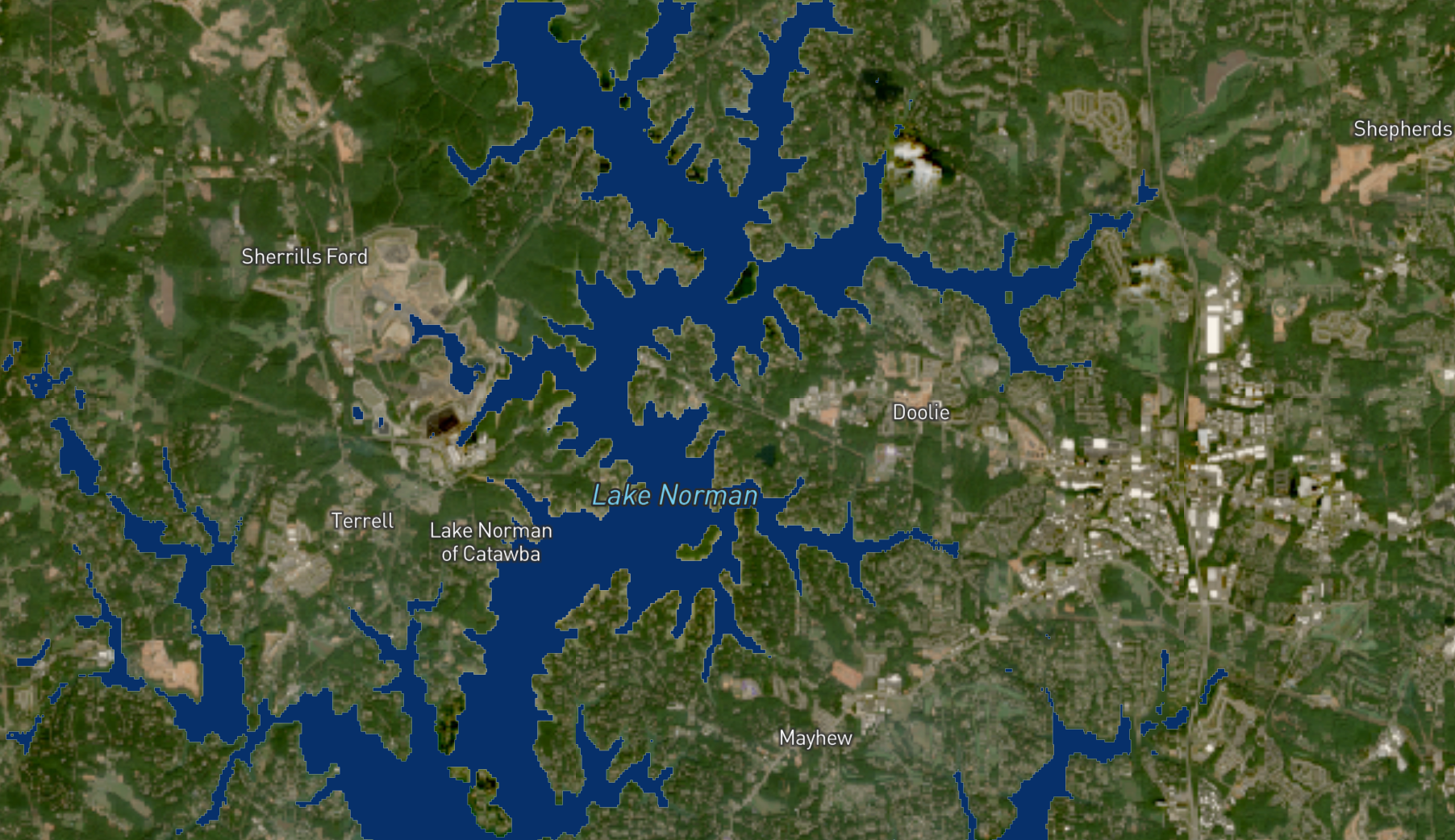
"Prithvi is the first model of its kind to be deployed in orbit, and that demonstrates exactly why we make our AI models open source," said Kevin Murphy, chief science data officer at NASA Headquarters in Washington, whose office led the collaboration that created Prithvi. "By sharing these tools with anyone who wants to use them, we accelerate scientific and technological development into the future."
Developed by a team of data scientists from IBM and NASA's IMPACT team within the Office of Data Science and Informatics at NASA's Marshall Space Flight Center in Huntsville, Alabama, the Prithvi Geospatial model was trained on the Harmonized Landsat and Sentinel-2 dataset. This dataset compiles over a decade of global geospatial data from NASA's Landsat and ESA (European Space Agency) Sentinel-2 satellites. Prithvi can be adapted for tasks such as mapping flood plains, monitoring disasters, and predicting crop yields.


