
There are many ways to produce hydrogen, but not all of them are environmentally friendly. Water electrolysis is a promising method that uses electricity to split water into hydrogen and oxygen without producing carbon dioxide (CO₂).
Among the different approaches to water electrolysis, proton exchange membrane (PEM) electrolysis stands out for its ability to respond quickly to changes in electricity supply. This flexibility makes it particularly well suited for use with renewable energy sources such as wind and solar power. However, this technology relies on iridium-based catalysts for oxygen production, which are not only expensive due to the metal's rarity but can also gradually lose their effectiveness over time.
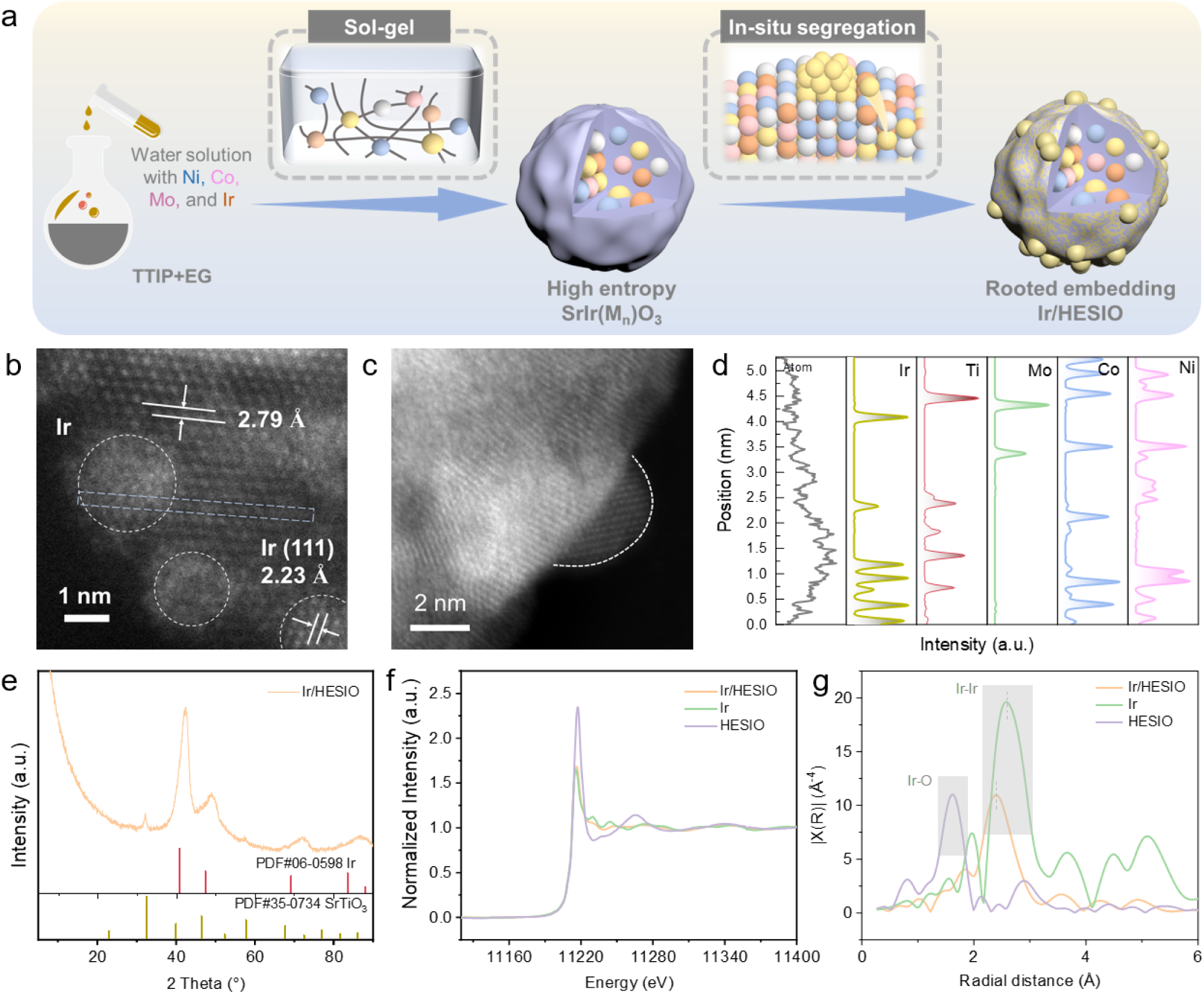
To help iridium catalysts last longer, the researchers developed a new design to protect the metal from degradation. By embedding iridium nanoparticles in a specially designed high-entropy perovskite, they created a structure that firmly holds the particles in place while regulating their electronic environment.
"We developed a material which has a special crystal structure that allows several different metals to be combined within it. In simpler perovskites, each type of crystal site is typically occupied by one kind of metal, but high-entropy perovskites like these allow several different metals to share the same type of site. This creates many possible arrangements of atoms, giving us greater flexibility to control the material's properties," explained Distinguished Professor Hao Li of Tohoku University's Advanced Institute for Materials Research (WPI-AIMR). "By carefully choosing these metals, we were able to combine structural stability with the ability to adjust the material's electronic properties during the reaction, helping protect iridium from degradation.
To turn the high-entropy perovskite into a catalyst, the researchers used a process called exsolution, in which the material is heated under special conditions. This caused some of the iridium inside the material to move to the surface and form nanoparticles. Unlike conventional catalysts, where nanoparticles are typically deposited onto a supporting surface, these particles emerged from within the material itself. This keeps them firmly in place and helps prevent them from moving or clumping together, potentially allowing the catalyst to last longer.
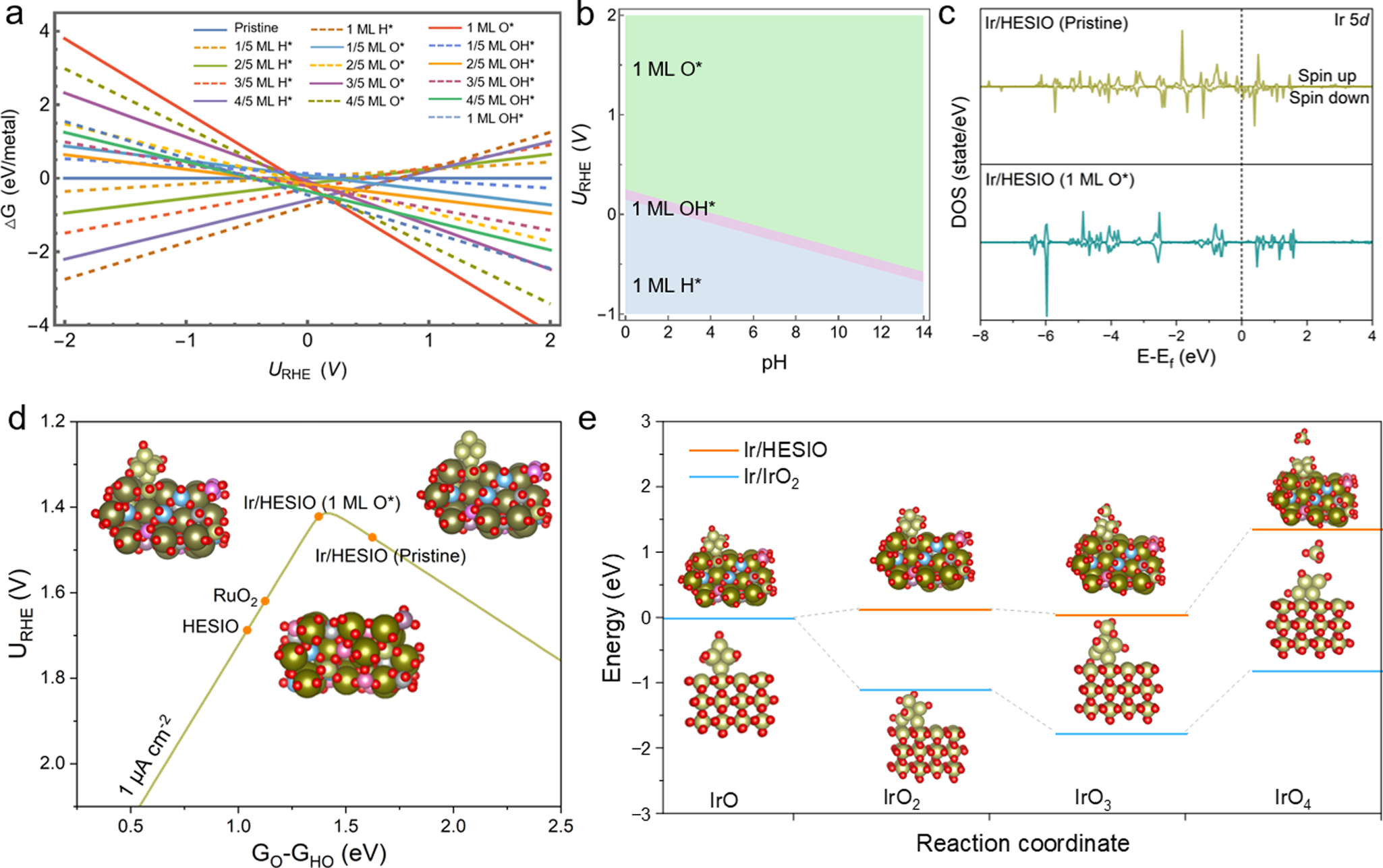
The researchers also looked at how the new material protects iridium during water electrolysis, a process in which iridium can lose electrons and become unstable. Through experiments and computer simulations, they found that the developed high-entropy perovskite helps regulate how electrons are distributed around iridium, helping it last longer.
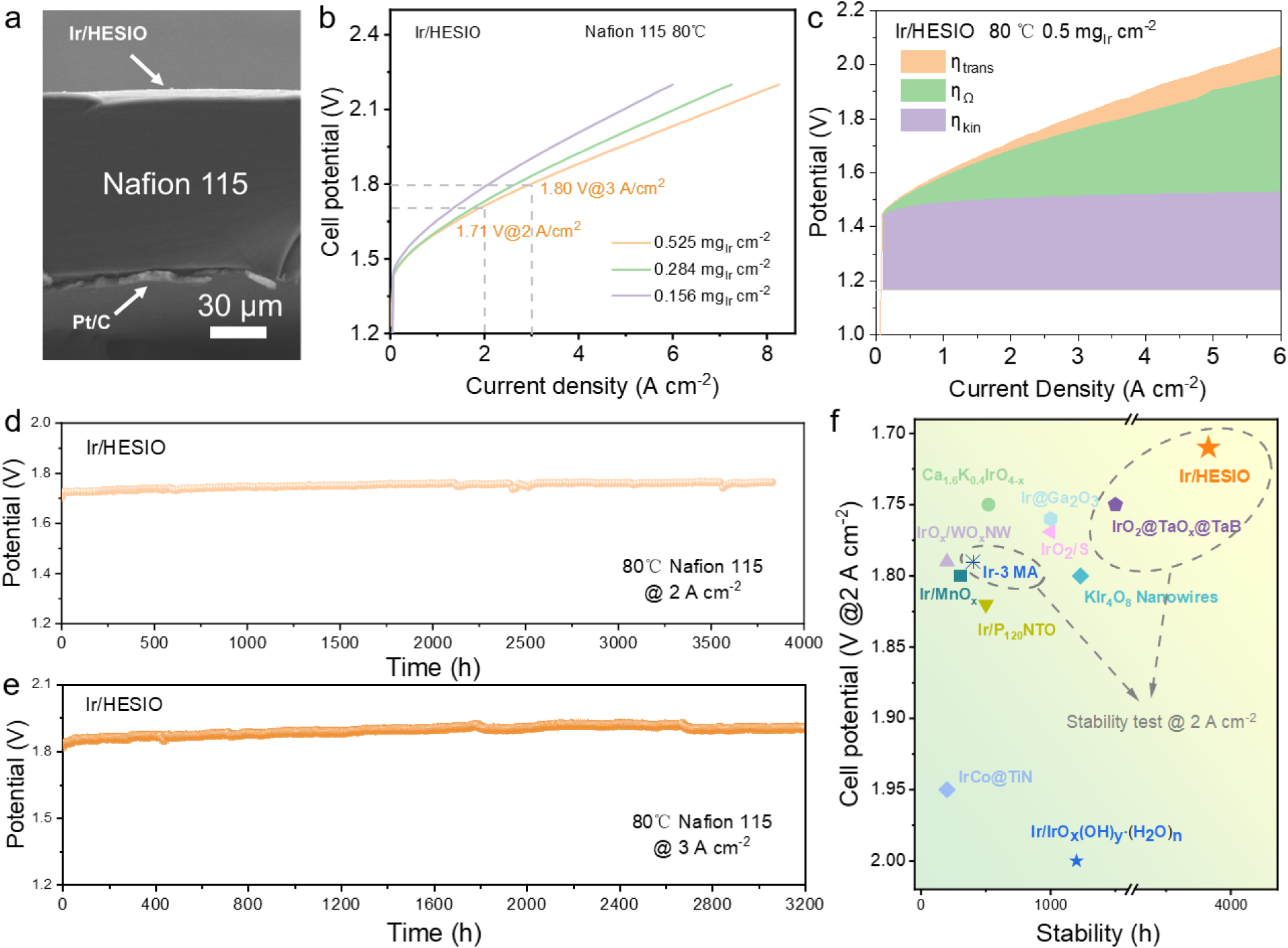
In fact, tested it in a PEM water electrolyzer, the system ran for more than 3,800 hours with very little loss in performance. In a separate test under even more demanding conditions, it operated for over 3,200 hours, showing its potential for longer-lasting hydrogen production.
To evaluate the new catalyst, the researchers compared it with other materials. While a conventional iridium catalyst showed significant signs of degradation within 300 hours, the new catalyst remained stable for over 650 hours.
"Our findings show that carefully designing the material surrounding iridium can significantly improve catalyst durability," said Li. "We hope our work will contribute to the development of more reliable and affordable water electrolysis systems, making green hydrogen production more practical on a larger scale."
- Publication Details:
Title: Dynamic Electron Redistribution on Rooted-Type High-Entropy Perovskite-Supported Ir Catalysts for Durable Proton-Exchange-Membrane Water Electrolysis
Authors: Jing Ni, Yuan Wang, Zhaoping Shi, Cheng Huang, Mingrui Yu, Heng Liu, Meiling Xiao, Changpeng Liu, Hao Li, Wei Xing
Journal: Journal of the American Chemical Society
DOI: 10.1021/jacs.6c13780


