
A new toolkit developed through the Museum Digital Social Futures project is helping museums, galleries and other cultural organisations make better use of the audience insights they already collect every day.
The Gathering, Analysing and Translating Impact toolkit has been developed by researchers from RMIT University, in partnership with ACMI and the Australian Museums and Galleries Association (AMaGA), to support organisations in working with qualitative audience data and translating it into meaningful evidence of impact.
The toolkit was officially launched at RMIT on 2 July by representatives from the project partners, with speakers including ACMI Head of Research Dr Indigo Holcombe-James, ACMI Director & CEO Seb Chan, AMaGA CEO Katie Russell and RMIT Research Fellow Dr Jacina Leong.
Describing the thinking behind the toolkit's design, Professor Naomi Stead, Associate Deputy Vice-Chancellor, Engagement, RMIT College of Design and Social Context, said: "The toolkit draws on RMIT's recognised strengths in design research, digital cultures, communication and audience engagement, and combines academic expertise with industry knowledge to address a critical need across the cultural sector."
Recognising the value of qualitative data
Many organisations collect extensive audience information through surveys, evaluation forms and website analytics, but just as valuable are the informal insights gathered through visitor conversations, public programs, observations of audience behaviour and social media interactions. These can reveal how visitors experience, interpret and connect with cultural spaces, yet are often overlooked in reporting and decision making.
Research from the project found organisations face common challenges working with qualitative data. Limited resources, competing priorities and a lack of specialist evaluation expertise can make it difficult to analyse and apply audience feedback effectively, while quantitative measures such as attendance figures often take precedence over qualitative evidence, which is viewed as anecdotal or harder to communicate.
Reflecting on this tension, Chan said, "a qualitative research practice in a museum can feel nice to have until you start doing it and then it feels essential. Senior leadership needs to create space to hear from research, otherwise the strategic vision can be compromised or we might overlook simple things."
Designed with and for the sector
"There can be a huge distance in terms of hierarchy between people at the top and people on the gallery floor who speak to visitors who have all the knowledge. This is the superpower of the small organisation, where everyone, even the director, works on the front desk and realises the stories from the visitors are gold," said Katie Russell, CEO, Australian Museums and Galleries Association.
The toolkit emerged from conversations between ACMI's Dr Indigo Holcombe-James and CEO Seb Chan after a 2024 AMaGA National Conference presentation. Its development was subsequently informed by interviews and consultations undertaken by researchers with organisations across Australia, including volunteer-led museums, regional institutions, state museums and council-run organisations.
Through an iterative co-design process, industry partners helped shape a resource that reflects the realities of contemporary cultural practice, providing accessible methods for organisations with limited capacity to integrate into existing workflows, alongside more creative and participatory approaches for those looking to experiment.
Leong said conversations with cultural organisations revealed both the opportunity and the challenge: "Many are already gathering rich audience insights. The challenge is often finding practical ways to organise, analyse and communicate that information so it can support planning, advocacy, funding applications and strategic decision-making."
Holcombe-James added: "Build on, scale and scaffold. First, you need to figure out the questions you want to ask."
From collection to communication
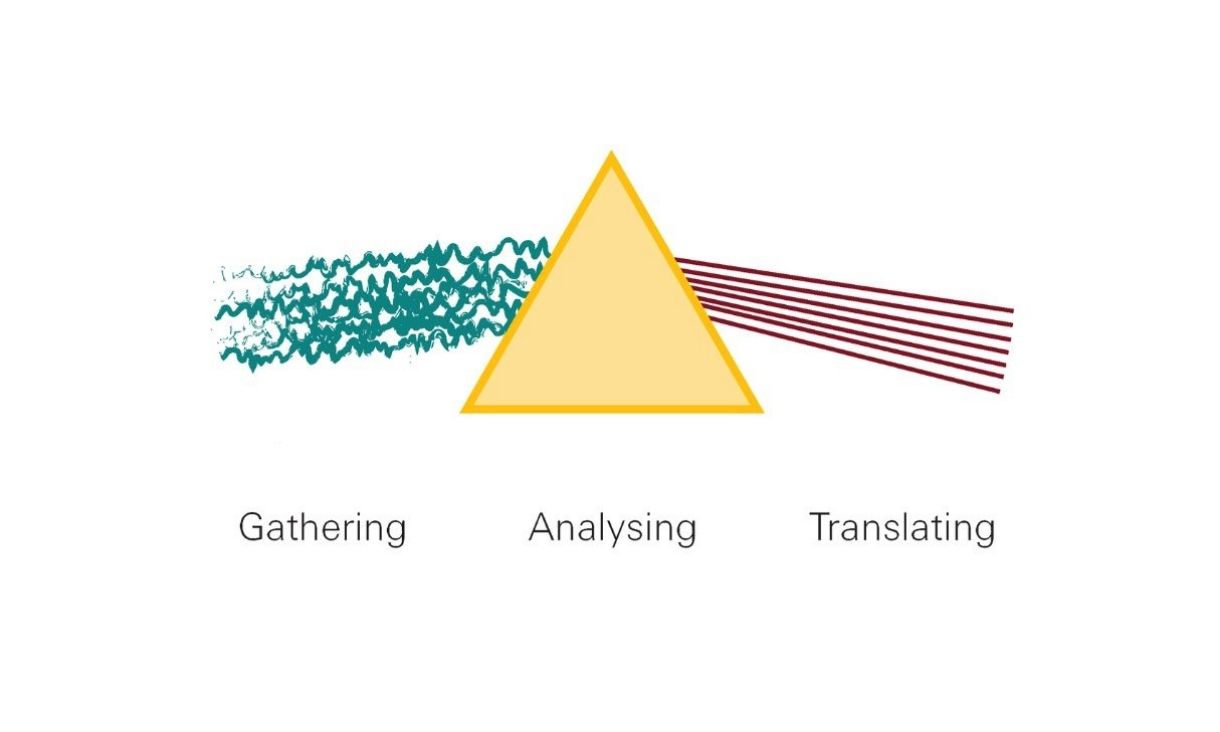
The toolkit is structured around three stages:
- Gathering insights: methods and templates to support the collection of audience feedback and experiences
- Making sense of the data: practical approaches to analysing, organising and interpreting audience insights
- Communicating impact: tools for turning qualitative findings into compelling evidence that can inform strategy, governance, advocacy and funding outcomes
Each section includes worksheets, templates and practical resources designed to support implementation.
By helping organisations understand not just how many people engage, but why it matters, the toolkit aims to strengthen evidence-based practice across the sector.
The Gathering, Analysing and Translating Impact toolkit is now available to cultural organisations seeking to build a deeper understanding of their audiences and better communicate the value of their work.
The Museum Digital Social Futures research team is co-led by Distinguished Professor Larissa Hjorth and Professor Ingrid Richardson. The project Research Fellows are Dr Caitlin McGrane and Dr Jacina Leong. The project's PhD student is Jasmine Aslan.


