
UC San Francisco received $824 million from the National Institutes of Health (NIH) in 2025 to drive the discovery, translational, and clinical science that leads to new treatments for disease and advances U.S. leadership in health and science.
The grants enable UCSF researchers to develop better therapies for cancer, diabetes, and dementia, pursue new technologies with AI, and fight infectious diseases like tuberculosis, HIV, and malaria that kill millions of people around the world each year. Federal funding also trains the next generation of scientists.
"Federal funding is indispensable to advancing medicine. It enables the basic science that expands our understanding of human biology and creates the foundation for new strategies to prevent and treat disease," said UCSF Chancellor Sam Hawgood , MBBS. "We are grateful to our supporters in Congress, along with all those who champion the NIH, for recognizing the importance of sustained federal investment in research. I also want to recognize our research community for their resilience and focus in a year marked by rapid and extraordinary change."
Research funding from the NIH does more than advance science - it also drives economic growth. A 2024 analysis by United for Medical Research found that every $1 in NIH support produces $2.56 in economic activity. The impact is profound in the San Francisco Bay Area's robust life sciences sector. According to Biocom California, the sector employs 150,491 people and indirectly supports another 254,365 jobs. Altogether, this generates $123.6 billion for the local economy, a testament to the region's leadership in biomedical research, clinical care, and industry.
UCSF was the largest public recipient of NIH awards in 2025, and the second largest overall. The UCSF Schools of Medicine, Pharmacy and Dentistry were first among their peers, and the School of Nursing was first among public institutions and fourth overall. Totals are for the fiscal year that started Oct. 1, 2024, and ended Sept. 30, 2025, as compiled by the Blue Ridge Mountain Institute for Medical Research.
School of Medicine
Total: $724,156,263
Example: Primary progressive aphasia, which gradually robs people of the ability to speak, and frontotemporal dementia, which affects personality and behavior, both involve brain networks that oversee language and emotion, but they are hard to tell apart. Maria Luisa Gorno Tempini , MD, PhD, is building computer tools that can measure changes in speech and emotional expression. The goal is to help doctors diagnose both diseases earlier and eventually develop personalized treatments for patients.
School of Pharmacy
Total: $45,701,371
Example: Tanja Kortemme , PhD, designs new proteins to help control important cellular processes like metabolism and immunity. With the help of AI, her team builds enzymes that work together to watch over what cells are doing. These enzymes can spot mistakes and fix them - much like how cells proofread their DNA. By giving cells an improved quality control system, this research could lead to better diagnostic tests, stronger cell therapies, and new tools for biotechnology.
School of Dentistry
Total: $27,617,484
Example: Julie Sneddon , PhD, is trying to improve stem cell treatments for type 1 diabetes by mapping the organization of cells in the pancreas. Lab-grown cells are better at controlling blood sugar when they mimic the natural arrangement of cells in a healthy pancreas. The goal is to build artificial tissues to replace the insulin-producing beta cells that are destroyed by diabetes.
School of Nursing
Total: $14,471,990
Example: Today's bedside monitors trigger false alarms so frequently that nurses become desensitized to them - delaying response when a real emergency strikes. Michele Pelter , PhD, RN, is working to prevent deaths from cardiac arrest in hospitals by building a smarter alarm system for detecting dangerous heart rhythms. Her team is using AI on one of the largest databases of human heart rhythms to design algorithms that more accurately flag life-threatening rhythms before they become fatal.
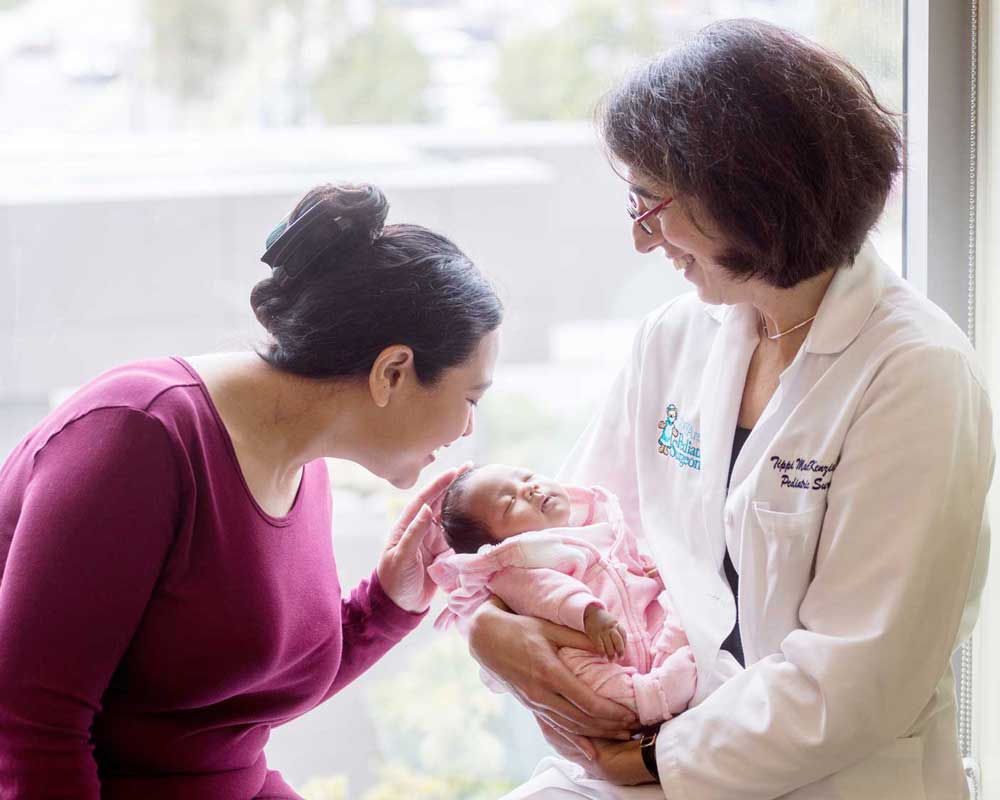
Saving Lives with Science
UCSF scientists discover treatments for the most heartbreaking and costly diseases, pioneer new industries, create jobs, and safeguard America.


