
A collaboration between Karolinska Institutet, Karolinska University Hospital, and SciLifeLab has integrated whole genome sequencing into routine diagnostic investigations for rare diseases at Karolinska University Hospital. To date, more than 15,000 patients have had their entire genome sequenced, with 23 per cent receiving a genetic diagnosis, according to a study published in Genome Medicine.
The study describes how, over the past decade, Karolinska University Hospital and SciLifeLab have developed a model in which whole genome sequencing is integrated into the diagnostic evaluation of patients with suspected rare diseases. It summarises data from 15,644 individuals and demonstrates how close collaboration between multidisciplinary clinical practice and advanced genomic analysis has enabled the implementation of whole genome sequencing into routine care.
Provides a more comprehensive picture
Whole genome sequencing involves analysing the entire genome, providing a more comprehensive picture than tests that analyse only parts of the genome. The study shows that a genetic cause of disease could be identified in 3,538 individuals, corresponding to 23 per cent. These diagnoses involved variants in more than 1,500 different genes, highlighting the diversity and complexity of rare diseases.
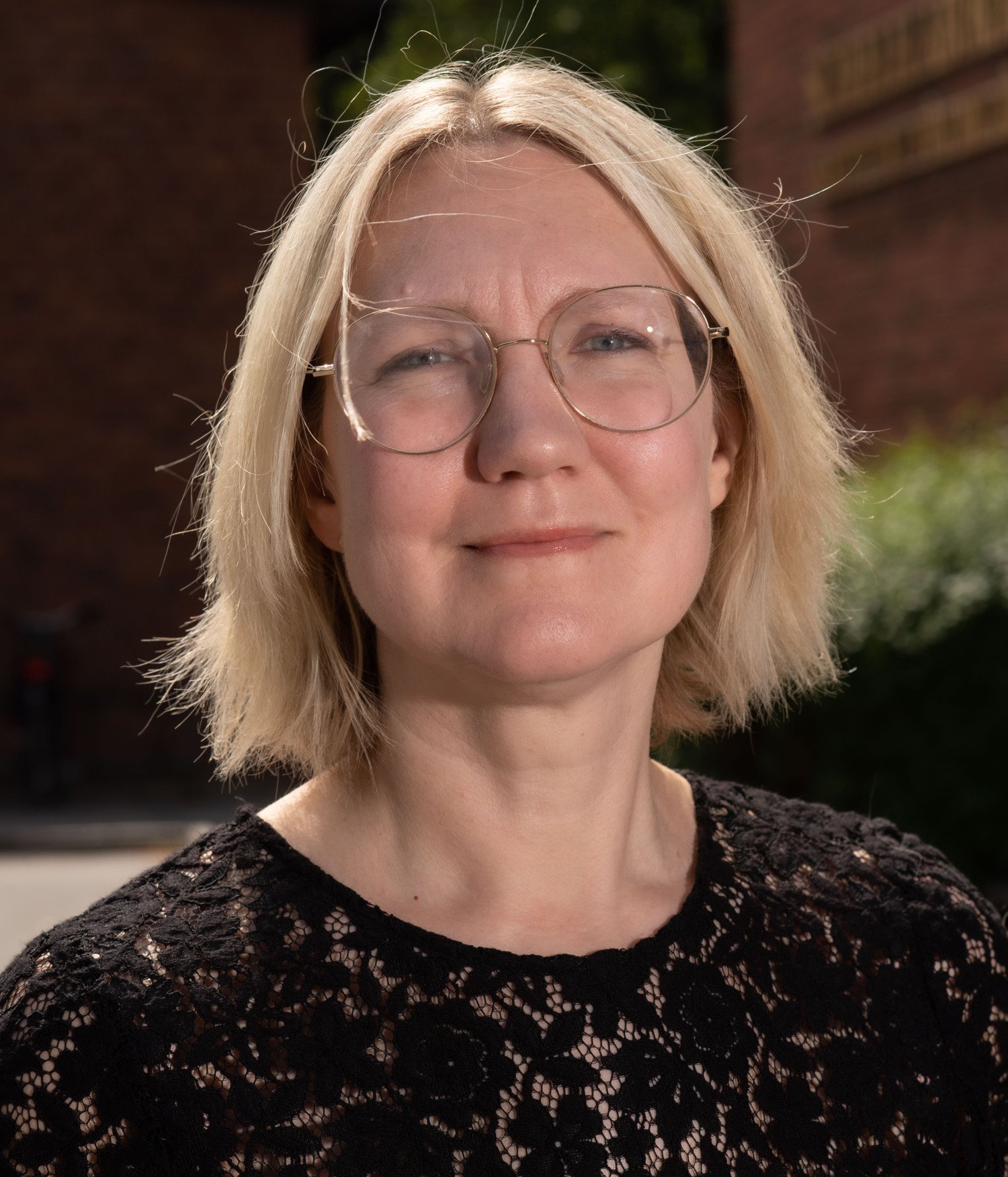
"For many patients with suspected rare diseases, receiving a genetic diagnosis is highly significant. It can provide an explanation for their condition and help guide treatment, follow‑up, and family planning. Whole genome sequencing allows us to detect genetic changes that would otherwise remain unnoticed," says Anna Lindstrand , adjunct professor at the Department of Molecular Medicine and Surgery , Karolinska Institutet, and senior consultant and head of section at Clinical Genetics and Genomics, Karolinska University Hospital.
The patients who received a diagnosis had a wide range of conditions across different medical specialties. A large proportion were children, and the majority would not have received a diagnosis without the new multidisciplinary approach, according to the researchers.
"In several cases, for example, in congenital metabolic disorders and severe epilepsies, we have been able to offer targeted treatment as a direct result of the diagnosis, preventing severe disease or early death," says Anna Wedell , Professor at the same department, Senior Consultant at Karolinska University Hospital, and Director of Precision Medicine Center Karolinska.
Tailored to each patient
The model is based on close cooperation between clinical specialists, geneticists, bioinformaticians, and laboratory staff, working within coordinated and well-defined processes. This allows analyses to be tailored to each patient's unique clinical presentation, with results rapidly translated into individualised care.
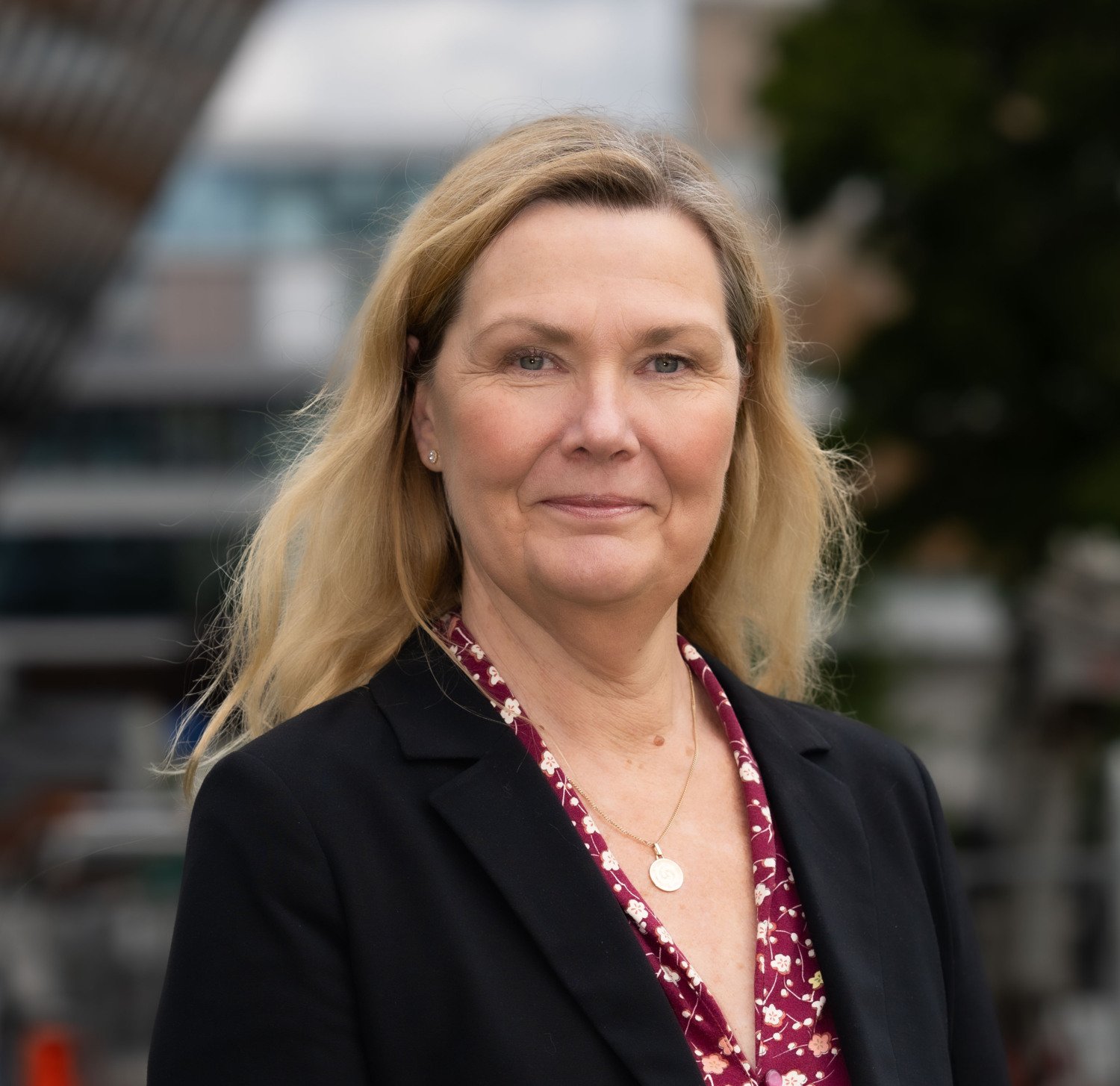
"By bringing together clinical medicine and advanced genomics, we have established a joint approach. I see this as part of a broader shift in the healthcare system towards more precise and personalised care in Sweden, and the model could form an important foundation for that development," says Anna Wedell.
The study is a collaboration between Karolinska Institutet, Karolinska University Hospital, and SciLifeLab. The researchers report no conflicts of interest.
Publication
"The Genomic Medicine Center Karolinska 10-year report on genome sequencing for rare diseases and a strategy for stepwise clinical implementation", Anna Lindstrand, Kristina Lagerstedt-Robinson, Anders Jemt, Malin Kvarnung, Sofia Ygberg, Sofie Vonlanthen, Mikael Oscarson, Daniel Nilsson, Nicole Lesko, Angelo Salazar Mantero, Britt Marie Anderlid, Henrik Arnell, Cecilia Arthur, Svetlana Bajalica-Lagercrantz, Michela Barbaro, Peter Bergman, Erik Björck, Oda Blomqvist Picard, Helene Bruhn, Jonas Carlsten, Sandrina P. Correia, Karl De Geer, Angelica M. Delgado Vega, Emma Ehn, Jesper Eisfeldt, Marlene Ek, Ingegerd Elvers, Martin Engvall, Christoph Freyer, Sofia Frisk, Caroline Graff, Giedré Grigelioniené, Peter Gustafsson, Anna Hammarsjö, Hafdis T. Helgadottir, Maritta Hellström Pigg, Olivia J Henry, Moa Hägglund, Erik Iwarsson, Vincent Janvid, Maria Johansson Soller, Leif Sundin, Ekaterina Kuchinskaya, Anders Kämpe, Anna Leinfelt, Agne Liedén, Hillevi Lindelöf, Anna Lyander, Helena Malmgren, Maria Mannila, Per Marits, Karin Naess, Ramprasad Neethiraj, Karl Nyren, Christoforos Pappas, Martin Paucar Arce, Nadja Pekkola Pacheco, Lucia Peña Perez, Maria Pettersson, Peter Pruisscher, Chiara Rasi, Annick Renevey, Sophia Rössner, Ellika Sahlin, Erik Stenund, Tommy Stödberg, Mikael Sundin, Karl Svärd, Bianca Tesi, Emma Tham, Håkan Thonberg, Virpi Töhönen, Malin Ueberschär, Karin Wallander, Eini Westenius, Johanna Winberg, Nerges Winblad, Josephine Wincent, Malin Winerdal, Anna Wredenberg, Anna Zetterlund, Rolf H. Zetterström, Ingegerd Öfverholm, Ann Nordgren, Henrik Stranneheim †, Valtteri Wirta, Anna Wedell, Genome Medicine, online 30 March 2026, doi:10.1186/s13073-026-01611-3


