
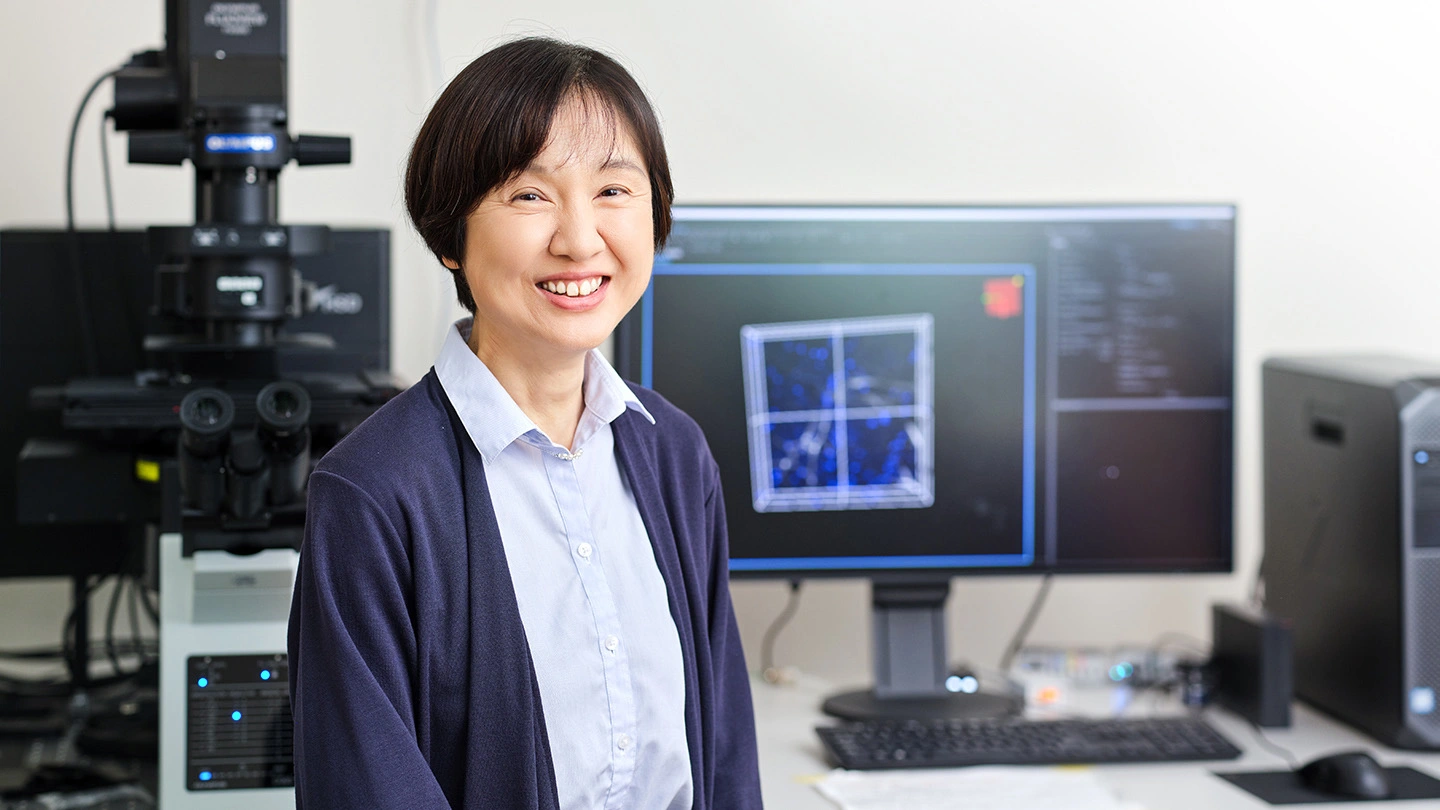
As we progress through different stages of life, our bodies undergo changes. A notable example of this is the physical adaptations that occur in the maternal body during pregnancy, as well as the physiological changes associated with aging. Even in adulthood, the morphology and function of organs continue to fluctuate over time in terms of their nature and operations. Professor Fumiko Toyoshima of the Medical Research Laboratory is deeply interested in the molecular mechanisms and physiological significance of such bodily changes, and is conducting research into them.
The trigger for this was when Toyoshima, already deeply engaged in life sciences research, became pregnant herself. Pregnancy is a significant event for a woman's body. Changes in the reproductive organs, such as the uterus nurturing the fetus and the mammary glands developing in preparation for breastfeeding, are intuitively easy to understand. However, in reality, significant changes also occur in organs other than the reproductive organs, such as the liver, intestines, and skin. This is referred to as "remodeling" in biological systems, a process where organs and tissues reorganize and alter their morphology, structure, and function in response to external stimuli, pathological conditions, aging, or injury.
Toyoshima is exploring the potential for developing new anti-aging technologies by comparing remodeling processes during pregnancy and aging.
Unraveling the mechanism of skin proliferation during pregnancy
The first research project that Toyoshima undertook was on the remodeling of non-reproductive organs during pregnancy. "I was surprised by how much my body changed during pregnancy, as I hadn't expected such a significant transformation. Upon reviewing the literature, it becomes evident that research concerning changes during pregnancy has not been sufficiently systematized, other than for reproductive organs. So I decided to pursue the research myself," she recalls.
Around 2010, we began conducting experiments using mice. She adopted an approach to observe the various changes that occur in cells from different organs and body regions during pregnancy and to explore the fundamental genetic changes underlying these processes.
Toyoshima had long been accustomed to analyzing phenomena at the cellular level, observing in vitro (cultured cells) how cells "change their fate" or undergo abnormal proliferation leading to cancer. However, she had not conducted research at the organismal level. While searching for a new area of study, she found that the remodeling phenomena during pregnancy presented an ideal subject of study.
What drew her attention was the multi‑organ interconnection underlying maternal changes. For example, rather than focusing solely on epidermal cells, she decided to examine the network of various cell types within the skin, including blood vessels and nerves. She discovered that phenomena she had initially thought unique to pregnancy were in fact similar to the multicellular dynamics involved in fetal skin development and in the healing of wounds.
Upon examining pregnant mice, it was discovered that the gene "Tbx3" is activated in the basal cells of the innermost layer of the epidermis, enabling epidermal cells to acquire proliferative capacity. The expansion of abdominal skin during pregnancy occurs because these epidermal cells increase in number, and after childbirth the surplus cells are eliminated, returning the skin to its original state. Toyoshima's team revealed that this cycle of proliferation and reduction is precisely programmed by genetic regulation, and reported the findings in 2021.
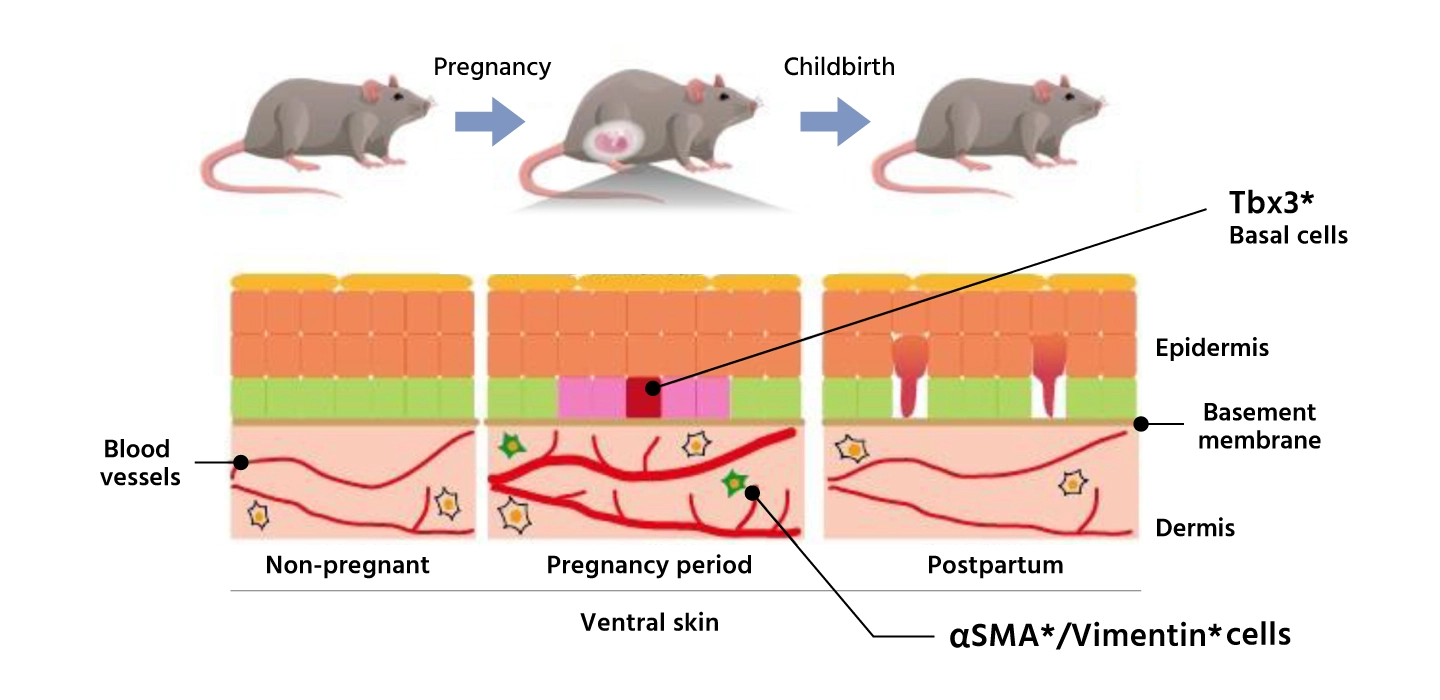
In adults, stem cell proliferation rarely occurs under normal conditions, but during pregnancy stem cells become activated. This proliferation is regulated, and proliferating cells do not form tumors (cancerous growths). They gradually disappear after childbirth. By contrast, stem cells gradually diminish with aging. Toyoshima began to consider that if the mechanism behind the transient stem cell proliferation occurring during pregnancy could be harnessed, it might lead to safe regenerative medicine and anti-aging therapies. She has also reported additional research findings, including the following.
In 2022, Toyoshima published findings from observations of aging phenomena in mice. She demonstrated that when blood vessels in the body surface decrease and the dermis hardens, epidermal stem cells tend to over‑differentiate and decline, while their adhesion to the basal layer also weakens. Her experiments showed that increasing vascularization or adjusting tissue stiffness improved stem cell function, revealing that blood vessels and tissue softness are key factors in skin anti‑aging.
After her work on the skin, Toyoshima turned her attention to liver remodeling. Through observations in mice, she discovered that at second trimester pregnancy, there is a temporary proliferation of periportal hepatocytes in the maternal liver. Further experiments revealed that this process helps regulate maternal glucose metabolism and supports normal fetal development. Gestational diabetes is a condition where the blood sugar levels in the mother increase significantly, resulting in fetal macrosomia. She elucidated the mechanism by which this condition is induced and published her findings in 2023. This represents a significant advance toward the prevention of disease onset.

(Kozuki et al., Commun Biol 2023)
Toyoshima served as a professor at Kyoto University's Institute for Life and Medical Sciences. Since April 2023, she has also held a professorship at the former Medical Research Institute , Tokyo Medical and Dental University, and she is now affiliated with the Department of Homeostatic Medicine, Medical Research Laboratory (hereafter referred to as "MRL"), Institute of Integrated Research, Institute of Science Tokyo. "I have long felt that MRL is a research institute where basic and applied studies are well integrated. Being in close proximity to clinical researchers is also a major advantage," she says.
After spending over 30 years at Kyoto University, the decision to shift focus was driven by a desire to verify the insights gained from remodeling in mice in the context of human changes, with the goal of applying them to medical practice. This challenge marked the beginning of a new chapter in her research career.
From macro‑level observation to micro‑level molecular analysis
Toyoshima grew up in Hiroshima City, where she was a curious child with a love of nature, often absorbed in collecting insects. From the time she entered the Department of Fisheries, Faculty of Agriculture at Kyoto University, she aspired to become a researcher and has enjoyed outdoor activities such as exploring the mountains and the sea. For her undergraduate research, she conducted experiments on the theme of red tides, and she also broadened her interests by joining field studies of monkeys, projects not directly related to her own research.
After entering graduate school, she shifted from observing macro‑level natural phenomena to conducting micro‑level research at the molecular scale. Under the guidance of Eisuke Nishida (now at RIKEN), she studied cellular signal transduction and developed a strong interest in the molecular basis of development and disease. Prompted by her own pregnancy, she launched a research project to explore how the body undergoes remodeling, its molecular mechanisms, and its physiological significance.
Toyoshima currently envisions two major "endpoints" for her research. One area is related to fetuses, supporting safe and secure pregnancy and childbirth, and fostering the health of the next generation. Another area is related to aging, applying insights to anti‑aging and regenerative medicine. "I intend to continue my research along these two lines. My dream is to begin studies using specimens from pregnant women within the next one to two years, and ultimately to develop practical new treatments. I want to do my best to contribute to society, even in a small way," she says.
Enhanced research support through university merger
The environment at MRL has become a major source of support for realizing these ambitions. Following the merger with the former Tokyo Institute of Technology, Toyoshima recalls that when she needed a specialized experimental instrument not available commercially, she requested it from the Design and Manufacturing Division of the Core Facility Center. They were able to produce it in just a few weeks and at a low cost. "I immediately felt the benefits of the university merger. I look forward to even more active collaboration between medicine and engineering, and I hope to advance joint research as well," she says.
MRL has been continuously recognized by the Ministry of Education, Culture, Sports, Science and Technology (MEXT) as a Joint Usage/Research Center. In 2023, it was selected for Coalition of Universities for Research. Excellence Program (CURE), and in collaboration with the Tokyo Metropolitan Institute of Medical Science and the National Center of Neurology and Psychiatry, launched the project "Multilayered Stress Diseases." Toyoshima serves as the chair of this project.
This initiative aims to understand stress-related diseases from multiple perspectives, ranging from genes to the societal level, and to link this understanding to the development of methods for diagnosis, prevention, and treatment. MRL has a proven track record in stress research across multiple layers, from genes to whole organisms, which was recognized in its selection for the program. In addition to its strength in life sciences, MRL collaborates with researchers in psychology, psychiatry, and the social sciences, advancing interdisciplinary studies. In the Toyoshima Lab, research is underway to investigate how psychological stress experienced by pregnant women (such as overwork, sleep deficits, noise, and hunger) affects maternal remodeling and fetal constitution.
"The true joy of being a researcher is to witness phenomena that no one has ever seen before, ahead of everyone else," says Toyoshima. In the process of steadily forging her own path, she has also encountered new challenges. "Maternal remodeling is a phenomenon that is unique to the pregnancy period and is extremely important, yet it tends to be taken for granted. I want to clearly demonstrate its biological value and academic significance, and establish a new academic field," she expresses with determination.
As a final message to younger researchers, Toyoshima said the following. "Even if you find something interesting, at first those around you may not understand. It is important to trust in your sense of interest and move forward. No matter what others may say, staying true to your own interests is essential."
Profile
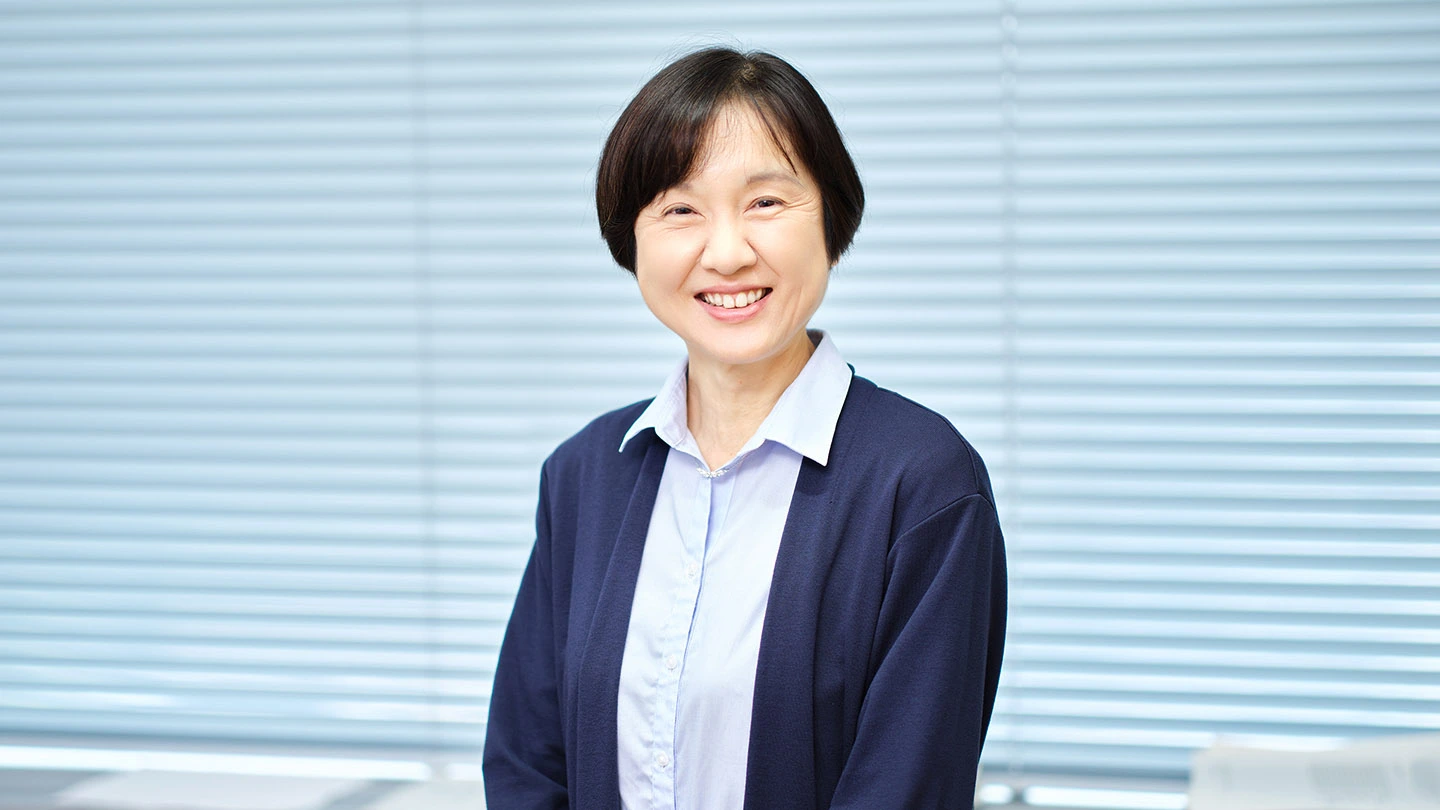
Fumiko Toyoshima
Professor, Department of Homeostatic Medicine, Medical Research Laboratory, Institute of Integrated Research
- October 2024 to present
- Professor in the Department of Homeostatic Medicine, Medical Research Laboratory, Institute of Integrated Research, Institute of Science Tokyo
- 2023 to 2024
- Professor at the Medical Research Institute, Tokyo Medical and Dental University
- 2022 to 2025
- Professor at the Institute for Life and Medical Sciences, Kyoto University
- 2016 to 2022
- Professor at the Institute for Frontier Life and Medical Sciences, Kyoto University
- 2008 to 2016
- Professor at Institute for Virus Research, Kyoto University
- 2005 to 2009
- PRESTO Researcher at JST (Japan Science and Technology Agency)
- 2004 to 2006
- Assistant Professor, Graduate School of Biostudies, Kyoto University
- March 2000
- Completed the Graduate School of Science at Kyoto University and obtained Doctor of Science
- 1999 to 2004
- Research Fellow, Japan Society for the Promotion of Science, Graduate School of Biostudies, Kyoto University
- March 1995
- Graduated, Department of Fisheries, Faculty of Agriculture, Kyoto University


