
Conducting environmental science in a time of rapid climate change can be like a game of Whac-a-Mole. Just as you get close, the focus moves, burns, melts or disappears.
Sometimes the culprit is a natural disaster: Wildfire burns a study site. Disease infects a coral reef. A global pandemic stops a field season, or two. Other times, the problem is human-centered: Equipment gets lost or destroyed. The government shuts down. Once reliable funding is suddenly, inexplicably taken away.
Meanwhile, climate change is moving faster than the speed of science. The past 11 years globally were the 11 warmest on record.
Despite these disasters, some scientists have managed to pivot their research to reveal meaningful lessons about our changing world. Here, we share their stories while exploring emerging concerns and consequences of stop-and-go science.

'A wildfire burned my study site'
Wildfires disrupt environmental science research
In 2021, Christine Parisek became one of a new generation of California scientists to watch their research go up in flames. A UC Davis graduate student at the time, Parisek had sampled 10 lakes in the Lassen National Forest the previous year to learn about their food webs. She'd planned to resample the lakes that summer, but then the Dixie Fire - one of the biggest wildfires recorded in California's history - burned through her study sites.
"At first, it was like, 'All of my research is destroyed,'" said Parisek, currently a postdoctoral scholar with the UC Davis Center for Watershed Sciences. "Then I realized that we had data nobody else had."
Pre- and post-fire data about lakes is rare. If she could resample them, Parisek could create a before-and-after snapshot of how megafires impact lake ecosystems.
Even in 2021, it wasn't easy to get funding to study things that happen at a moment's notice. Yet Parisek applied for and received a Rapid Response Research (RAPID) grant from the National Science Foundation, which enabled her to return to the lakes in 2022, 2023 and 2024, this time with a new focus on wildfires.

At Shotoverin Lake, two autumns after the fire, black and tan tree trunks bent forward, as if trying to run away. Parisek peered inside the crevice of a pine tree, looking for frogs, which lived in this tree before the fire. No signs of tree frogs, but as she walked along the charred remains of the forest, she noticed the vibrant red petals of snow plants and small plants poking out tentative, bright green leaves. She saw mosses, aquatic weeds and shrubs and thought about how the riparian zone may have buffered the fire's effects. She watched dragonflies flitting over the water as she thought about how leaves and ash falling in the water may affect things like plankton, other insects and fish - the food cycle.
The blackened forest floor ran to the shoreline of glistening Shotoverin Lake. Parisek and Sophie Sanchez, a junior specialist with the UC Davis Center for Watershed Sciences, inflated a raft and got to work, paddling to the middle of the lake. They collected data from the temperature and oxygen sensors they'd previously placed in the lake. They scooped water into a clear container and sampled squirming zooplankton. They talked about nights in the field when they fell asleep under clear skies and woke to falling ash, or days when fieldwork was cancelled due to bad air quality.
"We're trying to race with climate change to understand the ecology before it's gone," said Parisek.
It isn't exactly making lemonade out of lemons, but her ability to pivot - with the support of mentors and federal funding - helped salvage Parisek's research and shed light on the impacts of megafires on lakes and their food webs.
"As researchers, sometimes we have to make a decision," she said. "Can we still take what we collected and turn this into something new? Or are we going to have to scrap everything, start afresh and lose sometimes years of research? We saw an opportunity to do something with this data that other people hadn't been able to do yet."
'It happened to me twice'
Coral disease research reveals new path to resilience
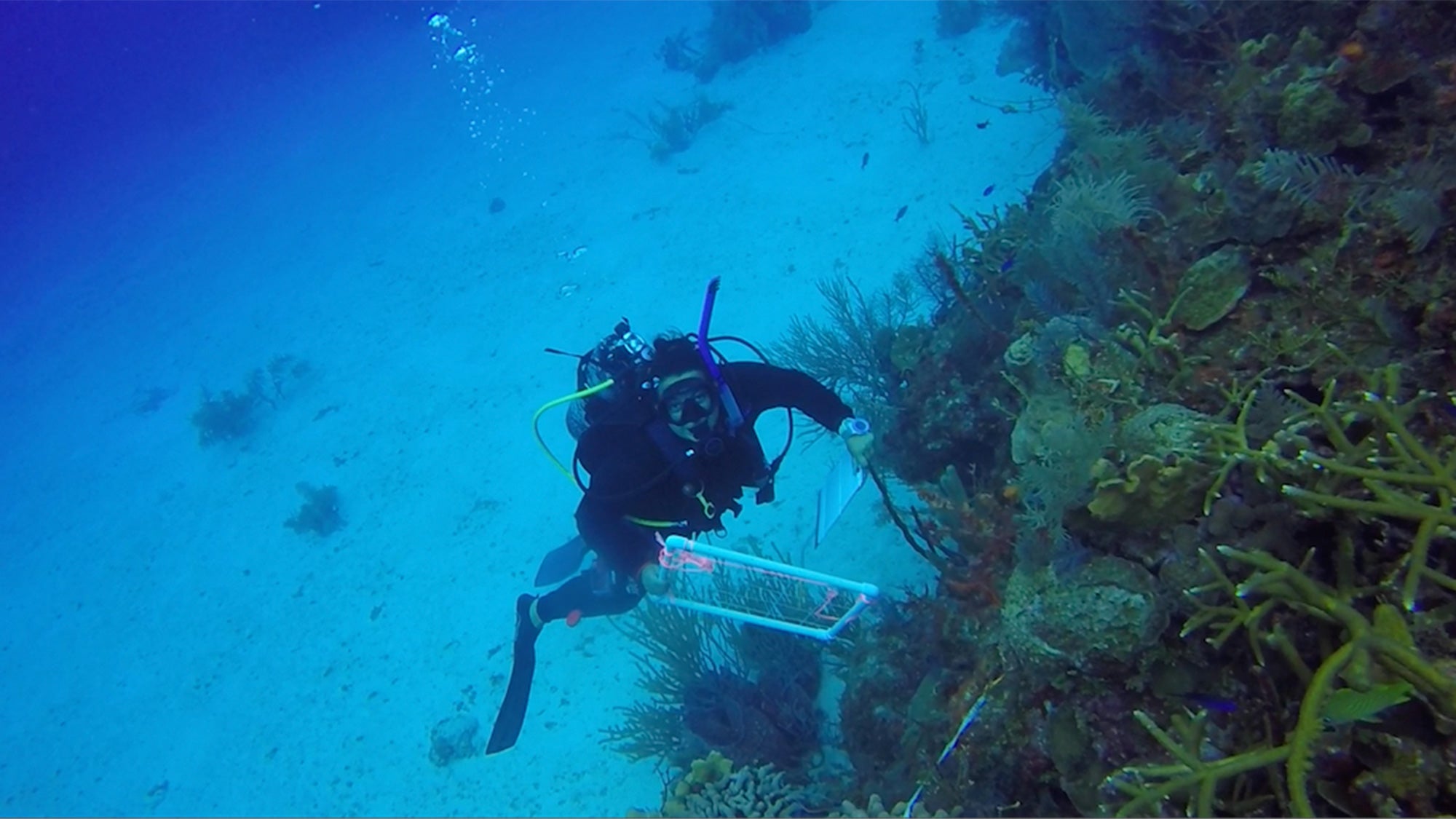
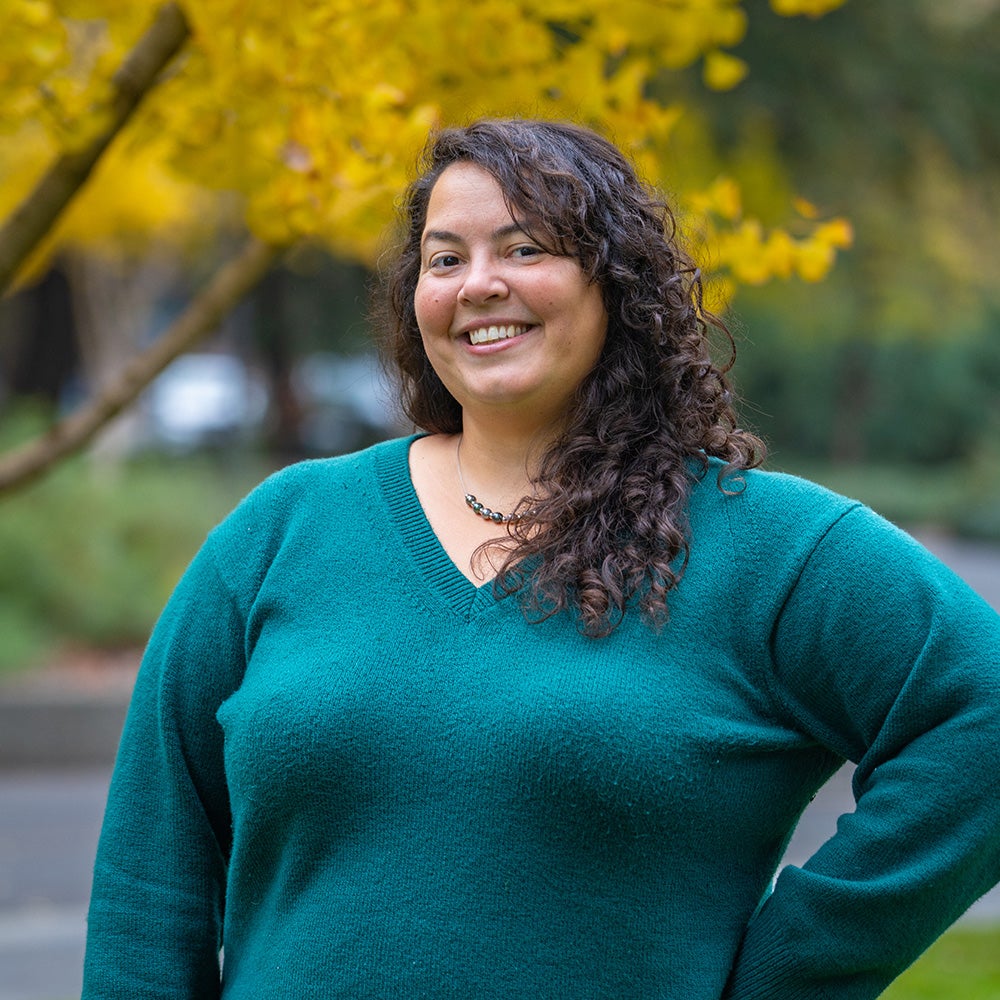
"Demonic intrusion," a term coined in 1984, describes uncontrolled, often random disturbances by an entity, human or otherwise, that seem aimed at ruining a scientific experiment. The phrase came to mind for UC Davis Assistant Professor Anya Brown when describing her experience as a coral reef researcher.
"It happened to me twice that my study species massively died on me," said Brown, a National Geographic Explorer based at the UC Davis Bodega Marine Laboratory.
The first time was in 2015, in the shallow back reefs of Mo'orea in French Polynesia's Society Islands. She was there as a graduate student with the University of Georgia to study how worm-like snails called vermetids interact with other members of the reef. One day, her advisor returned from another part of the reef and asked, "Do you think the vermetids are looking weird?"
When she looked the next day, she poked one of the snails, and it dissolved.
"There was nothing in there," she said. "Just deteriorated tissue that poofed away."
She was alarmed but thought her study site was probably OK. Instead, she found the snails retracting into their shells at her site, too.
"We went around Mo'orea as fast as we could looking for healthy snails because it seemed as though, by the time we got to a site, more and more of them were gone."
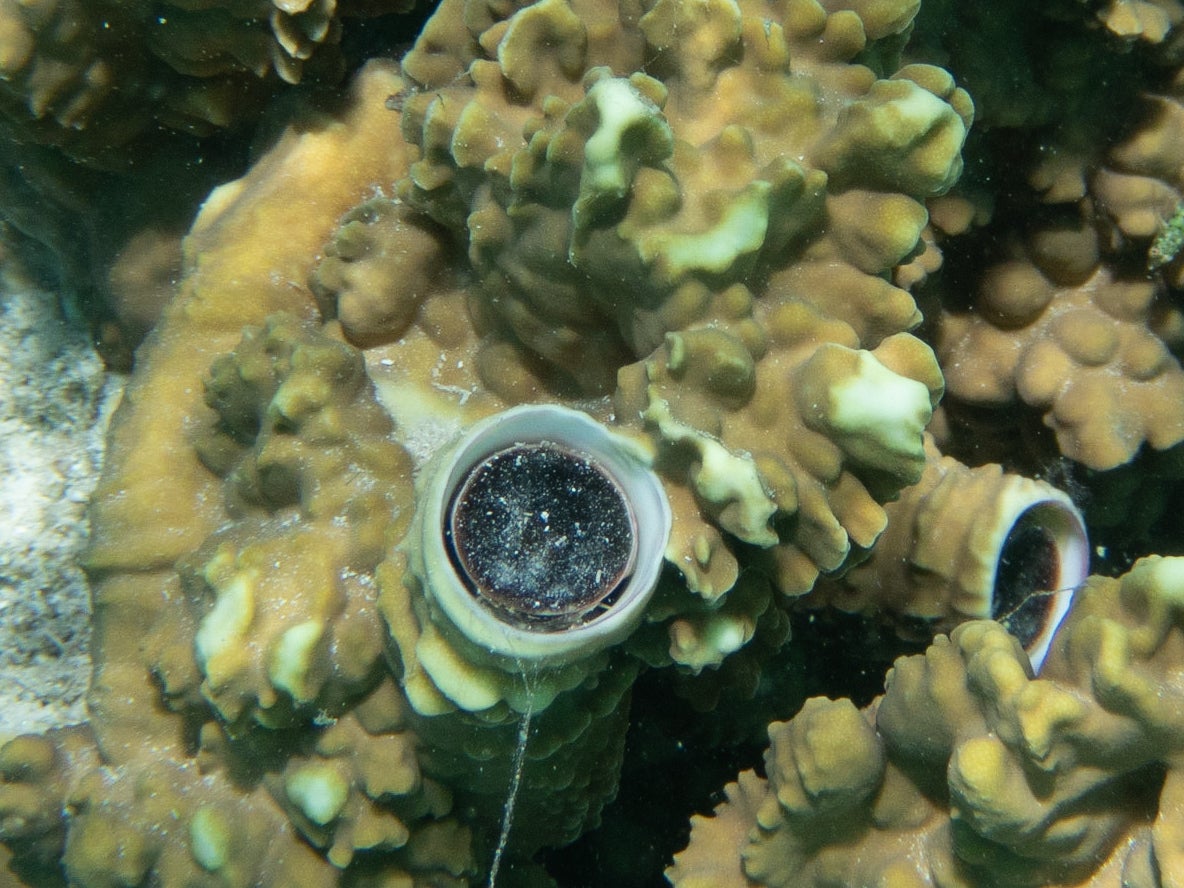
Over the next two weeks, all the vermetids around Mo'orea had died. The team went to Tahiti and could find only empty shells. Some cruise ship guests sent them photos of more snail mortality. In four months, all the vermetids across the Society Islands were gone. They haven't returned.
"I had many moments of 'all hope is lost,' not just for the vermetids but for my entire dissertation," Brown said. "I remember popping my head up from my snorkel and saying to my colleague, 'Is everything I've been working on for the past six years gone and wasted?'"
She published a paper documenting the die-off, but she describes it as "unsatisfying," to say the least.
"It is an example of how some organisms are impacted by climate change and mass mortality events faster than we can even study them," Brown said.
Her second "demonic intrusion" occurred in 2019, but this time, it led to a discovery that can help restore coral reefs.
She was working with the Central Caribbean Marine Institute at their coral nursery in Little Cayman as part of her postdoctoral studies with the University of Florida. The underwater nursery held endangered Caribbean staghorn coral, which dangled from plastic PVC frames like Christmas ornaments.

The team was preparing to outplant the coral into the ocean for a two-year experiment when the nursery manager said to Brown, "Some of the corals are looking not so great."
It was white band disease - a highly transmissible infection that has devastated staghorn and elkhorn coral since the 1970s. Brown and team hoped they could remove the diseased coral from the nursery and continue with outplanting, but they soon realized the infection was spreading too fast.
"We were left with a choice: Do we remove everything from the nursery, or do we take this opportunity to understand the spread dynamics and effect on the population?" Brown said. "So we pivoted to try to understand how this population of corals was influenced by disease."
For more than five months, they tracked the disease across 650 coral fragments. Their research, published in 2022, found that the arrangement of corals was a huge factor in who survived and who did not. Corals growing next to genetically diverse corals were far more resistant to the disease than those growing with their same genotype.
They also found that disease-resistant corals could help "rescue" vulnerable ones, simply by being around them. The findings have direct applications for reef restoration and coral nurseries, giving vulnerable corals a greater chance of survival.
Brown notes that she was lucky during that time to have enough flexibility with her nursery-related funding to quickly divert her focus from restoration to documenting the outbreak.
"There's a history in science to be resilient," Brown said. "Part of the toolset of being a scientist is figuring out how to be creative and pivot when these unexpected things happen. A challenge now is that we have to expect the unexpected more and more."
'A sense of uncertainty and anxiety'
Federal funding freeze slows scientific progress
Scientists are open to what shows up, not always what is planned. They go in with a hypothesis but are willing to be wrong or to shift gears. Sometimes welcome discoveries emerge through "happy accidents." But a foundation of support and stability is required for inquiry to flourish.

More than 7,800 research grants were terminated or frozen during 2025, according to a January 2026 article in the journal Nature. At the time, roughly 2,600 grants have not been reinstated or unfrozen, amounting to $1.4 billion in unspent funding. Agency scientists and staff shrunk by the thousands, while remaining staff struggle to keep the workload afloat. This marks a seismic shift in the infrastructure that has supported science for decades.
In a recent paper in the journal Urban Sustainability, UC Berkeley and UC Davis transportation and air quality scientists describe the "sense of uncertainty and anxiety" when their grant was paused, then reinstated following legal intervention: "During the funding suspension, data collection was halted, research staff had to be reassigned or furloughed, and collaborations with local community-based organizations were interrupted."
'What's happening with science now, in America'
Hard-to-digest decisions
That experience is one William Horwath and Cole Smith know well.
Horwath, a professor in the UC Davis Department of Land, Air and Water Resources, and research associate Smith study nutrient cycling on agricultural lands, working with farmers on climate-friendly practices to lower emissions.
In April 2025, Horwath and Smith learned that a $5 million research grant they were part of from U.S. Department of Agriculture's Natural Resources Conservation Service was being terminated. They were told it did not align with the new administration's Farmer First priorities. The funding would have supported research on how to measure and report the environmental impacts of the practices they were advising farmers to implement.
A few weeks later, they were invited to reapply, but only if at least 65% of the funds went directly to farmers. This would undercut the bulk of the research. They submitted an amendment and asked for an appeal, which is pending.
In the meantime, they had to end a junior specialist's contract, and 25 growers were also affected by the grant's cancellation.
"It takes a long time just to get people in place to work competently in our lab," Smith said. "One of the best things we can do is develop and cultivate this talent. It's very hard to move science forward if we're constantly in flux."
Smith's own job, originally funded by the grant through 2028, is now uncertain. Although the lab is piecemealing funding together, nothing is guaranteed.
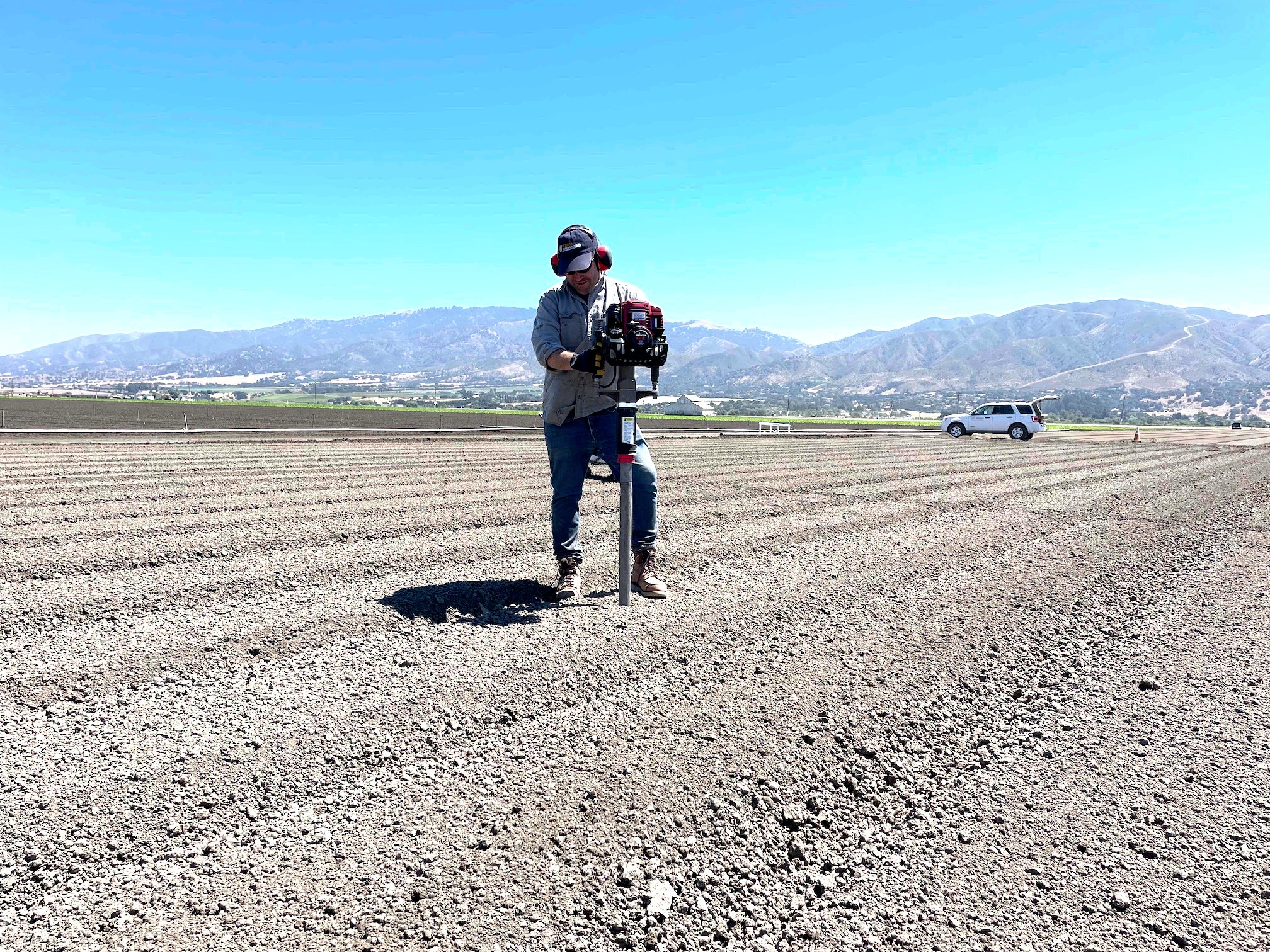
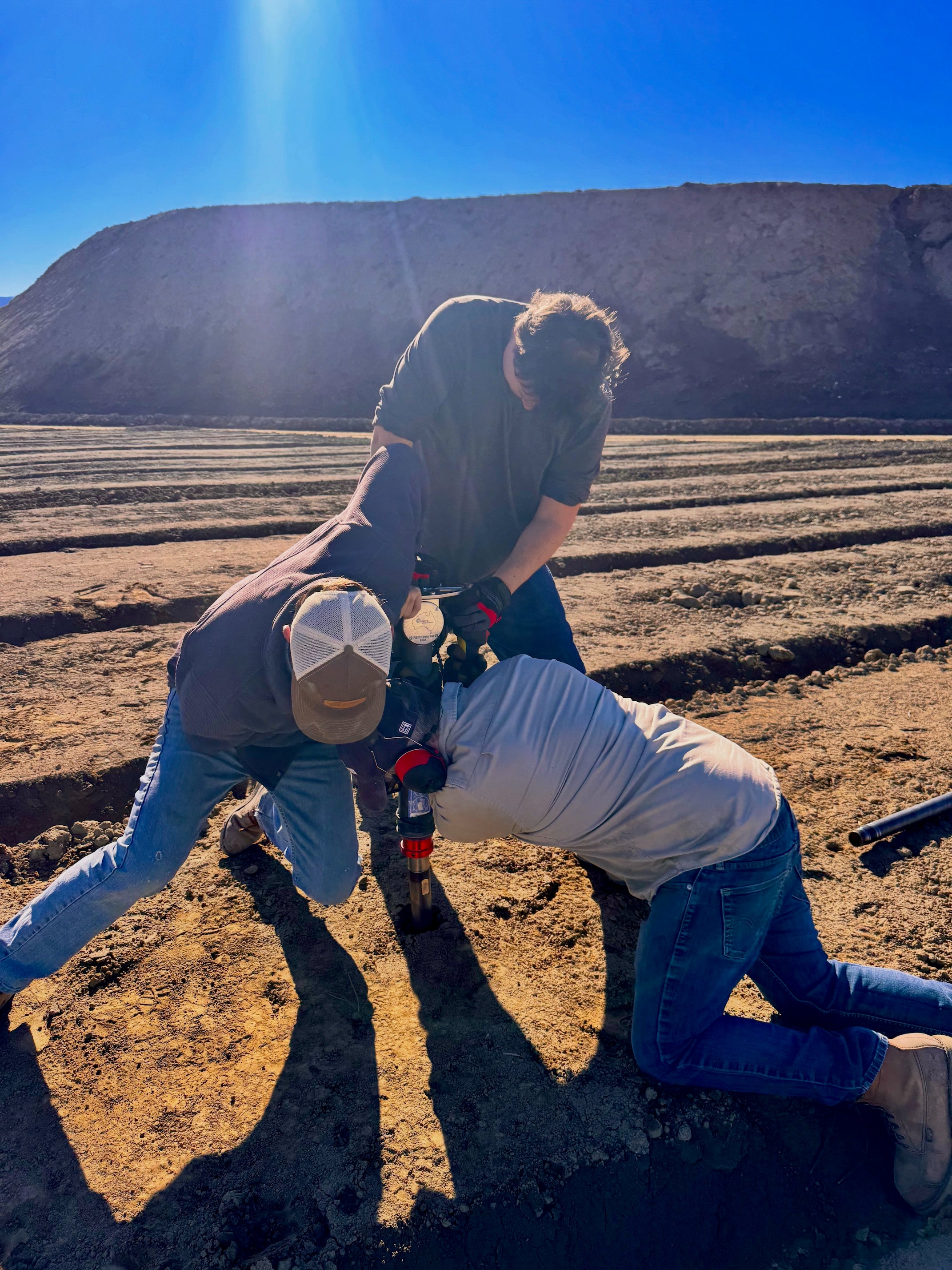
Horwath, a UC Davis professor for 30 years, looks visibly stricken as he talks about the impact of the current state of science on young people. He, like many scientists, entered the field guided by a motivation to help others.
"It's hard to see how we can excite another generation of folks if we can't give them the resources to be selfless and help others," Horwath said. "I'm not sure what young people think about science when all these agencies are not delivering on the grant monies they're supposed to distribute. They'll think there's nowhere to go. That's what's happening with science now in America, in the United States."
Smith said that working in agricultural sciences has shown him you really can take what you learn from a lab, implement it in the field, and see direct benefits.
"It feels like we're solving real, tangible problems," Smith said. "Being able to listen to the growers, the stakeholders, the policymakers and design research projects that solve these problems is very meaningful."
What Smith described is the agricultural experiment station model that has helped feed the country while reducing conflicts of interest between industry and growers since the Civil War. Losing that model and letting down growers is top of mind for Horwath and Smith.
"We're the ones the growers will hold accountable," Horwath said. "They lean on university resources to guide them on these practices. When we take these funding hits, we're compromising our trust bond that we built with growers."
'Normally, at this time, we'd be celebrating'
New setbacks for McCloud River salmon, conservation science
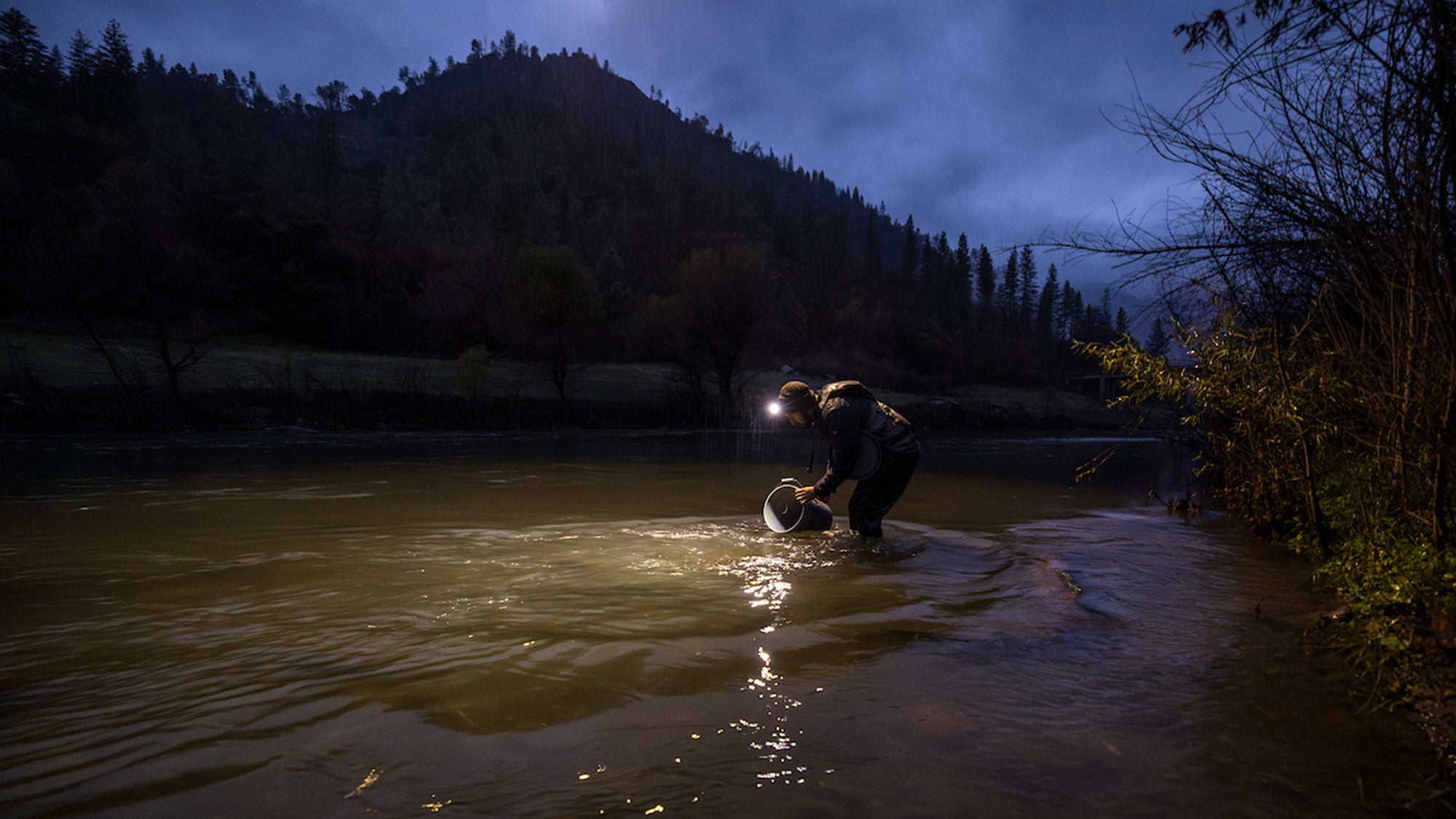
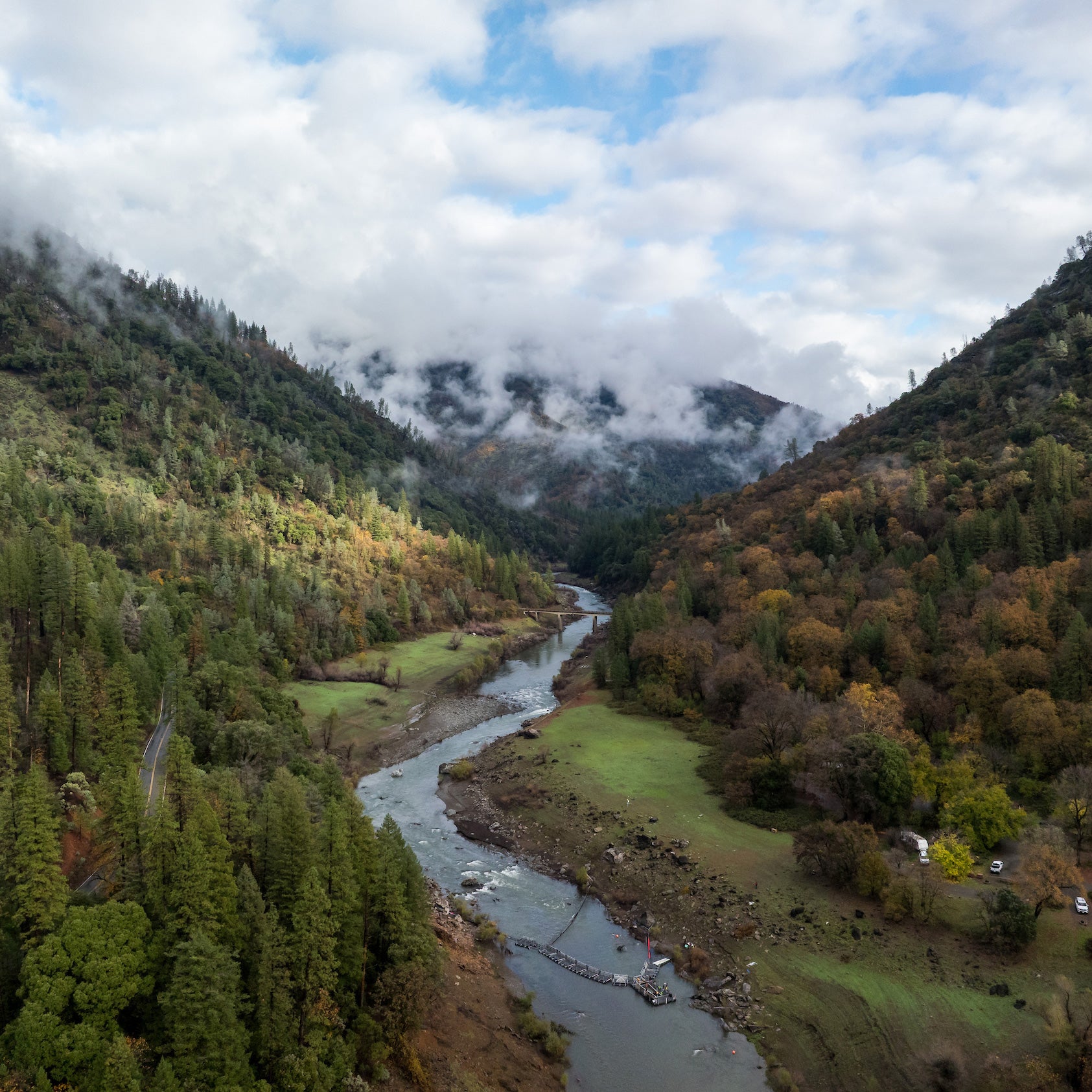
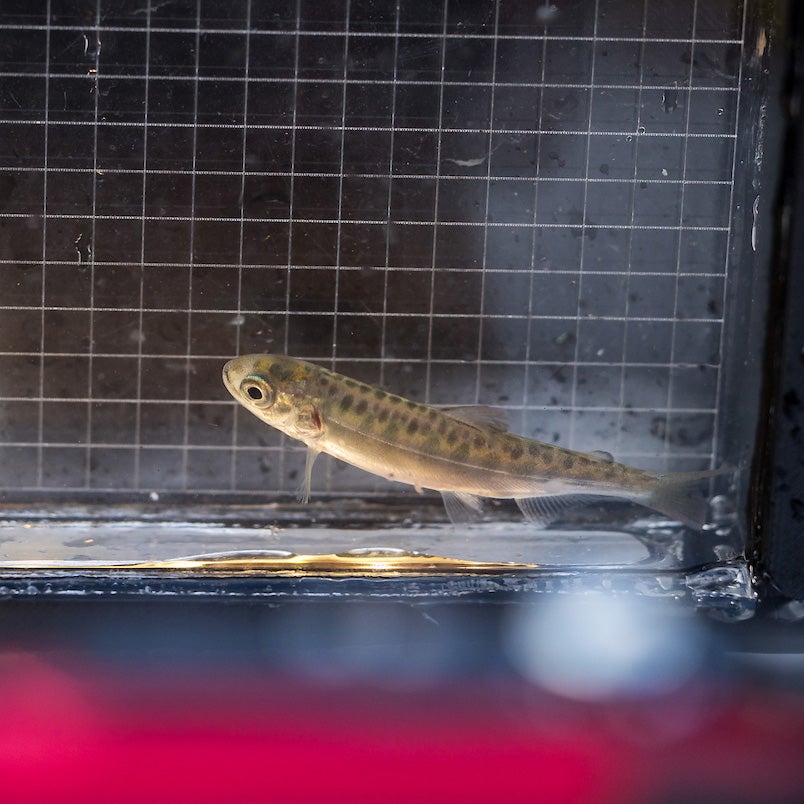
Last winter, for the first time in 80 years, winter-run chinook salmon that started their lives in the cool waters of the McCloud River returned from the ocean to spawn. But funding from the California Department of Fish and Wildlife that enabled their successful reintroduction and transported them above Shasta Dam, was not renewed.
Normally, at this time, the team would be celebrating the salmons' return and preparing for the next cycle. Instead, their journey this season will end at the dam.
Without access to their cool, ancestral waters of the McCloud River, winter-run chinook have to lay their eggs on the warmer valley floor behind Shasta Dam. Fish biologists say this is a major reason they are endangered.
"By not putting fish up there in the McCloud, we're essentially not paying our insurance policy for winter-run chinook salmon," said Carson Jeffres, field and lab director of the UC Davis Center for Watershed Sciences.
NOAA Fisheries estimated some 75% of winter-run chinook eggs died from high river temperatures in the Sacramento River below Shasta and Keswik dams in 2021.
In 2022, state and federal agencies partnered with the Winnemem Wintu Tribe, led by Chief Caleen Sisk, to reintroduce winter-run chinook to the McCloud River. This was spurred by concerns that California's third consecutive year of drought could drive the endangered species to extinction.
Salmon, known as "Nur," are considered spiritual relatives to the Winnemem Wintu, who have worked to bring them home since the late 1940s, when Shasta Dam's construction flooded their villages and cut off salmon passage.
"We believe that when the last salmon is gone, humans will be gone, too," the tribe wrote in a statement. "Our fight to return the Nur to the Winnemem Waywaket is no less than a fight to save the Winnemem Wintu Tribe."
Trust among tribes, government agencies and non-Native scientists can be hard-won. Jeffres said learning alongside Winnemem Wintu partners has sparked innovations that benefit people and fish.
"It takes years to build relationships," Jeffres said. "All of this comes down to people and relationships. When you lose those, you have to start over again."
Turning setbacks into science
Starting over can be possible when hearts, minds and resources align. From forests, farms and cities to oceans, rivers and laboratories, researchers who have been able to turn setbacks into useful science have done so only with support.
"The Hero's Journey" is a story structure familiar to fans of thousands of movies and books, from The Odyssey to The Lord of the Rings to The Lion King. In it, a hero sets out on a quest, meets seemingly insurmountable obstacles, as well as some friends, reaches an "abyss" in which all appears to be lost, then returns home, triumphant and transformed.
The scientists interviewed here shared concerns about abysses and dead ends. Yet they also view their challenges as a turning point, not the end of the story.
"When the windows of opportunity aligned, it did not come with money first but with boots-on the ground and get-er-done progress," Jeffres said. "It makes me wonder if that's the moment we're in again. Maybe we need to rethink how we still do the right things."


