
With its striking San Francisco Bay settings, director Alfred Hitchcock's iconic horror film The Birds has captivated audiences for more than 60 years. For Hitchcock, the film - set in an ocean-side town terrorized by swarming, murderous birds, was about how an unexpected threat could shatter everyday life. Today, the plot reads like a warning about our warming climate.
Matthew Gribble , PhD, is a toxicologist and UC San Francisco's first Pew-Hoover Fellow in Marine and Biomedical Science . Among other topics, Gribble studies a group of small but dangerous organisms: toxin-producing microalgae. He and Professor of Medicine Sheri Weiser, MD, MPH , co-lead a new UCSF-UNESCO partnership to establish a global hub to coordinate research and education on oceans, clean water, and health.
Gribble explains the science behind Hitchcock's bonkers birds - and why the classic film's unlikely protagonist remains a global threat.
What are red tides?
Red tides are a common term for what scientists call harmful algal blooms, although many harmful algal blooms don't turn the water red. In California, we're especially concerned with a bloom that makes a toxin called domoic acid. Domoic acid can cause severe neurological symptoms like seizures, short-term memory loss, and disorientation in humans and marine life.
And they're devastating for more than just birds. It's horrifying how many sea lions get sick and die from this.
Is climate change increasing harmful algal blooms?
Yes, for many kinds of algae, climate change is exacerbating the risks of harmful algae blooms. But each algae species has its own little niche in the ecosystem that it prefers, so the impact of climate change varies.
How did red tides inspire The Birds?
Alfred Hitchcock read in a local Santa Cruz paper about birds in Capitola that had become disoriented after ingesting domoic acid from a red tide. The birds weren't murder-bombing people like in the movie, but they were bombarding the town: Flying into houses, streetlights, windows - completely disoriented.
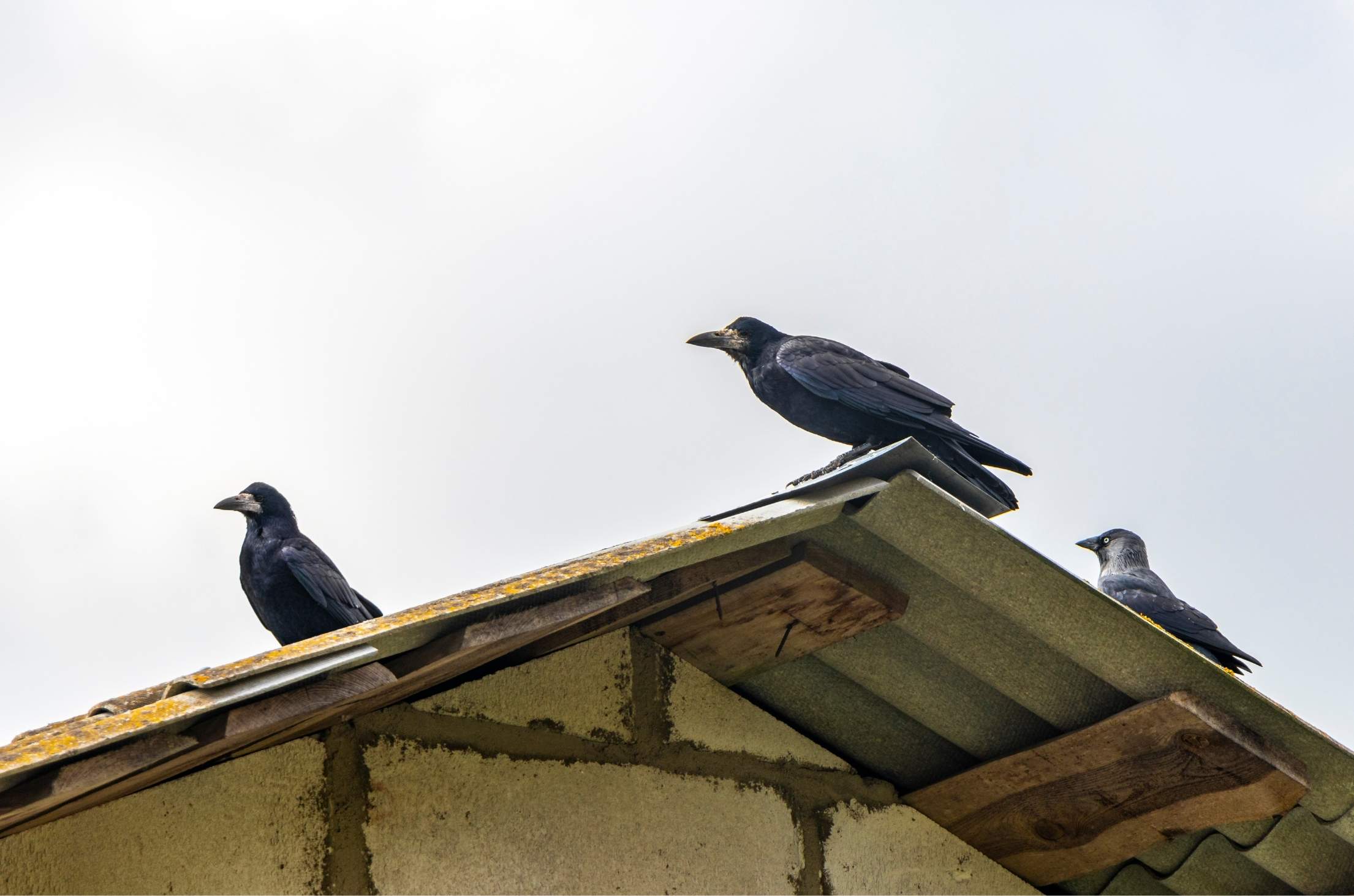
In the movie, Hitchcock swapped the birds from Capitola's algal bloom from cute seabirds called sooty shearwaters that aren't likely to give anyone nightmares. Instead, he used "scarier" birds, mostly ravens, crows, and seagulls.
I watched The Birds for the first time when I was about five years old - because my babysitter was terrible. Since then, I get nervous around crows or ravens.
Are all algal blooms toxic?
No. There are thousands of species of algae, and only some are harmful.
Why should we be worried about harmful algal blooms?
They're a big deal, especially for human health, economies, and marine life.
In addition to domoic acid, some blooms produce saxitoxin, which also accumulates in shellfish. People who consume tainted shellfish can develop paralytic shellfish poisoning, which can cause paralysis. In severe cases, people with the condition essentially suffocate as their chest muscles become paralyzed. There is no cure for paralytic shellfish poisoning, but UCSF researchers, like UCSF Cardiovascular Research Institute Professor Daniel Minor , Jr., PhD, are working to understand the toxin so we can better detect saxitoxin in food and develop a cure with the help of federal funding.
Lastly, some harmful algae blooms don't produce toxins directly but can still devastate ecosystems. For example, you get a bloom, which then dies. As algae decay, they draw oxygen from the water, suffocating fish and impacting communities that depend on fish for their diet or economy.
Are some communities more at risk than others?
California's Department of Public Health has a very robust food safety monitoring program, especially for domoic acid, so very few people get sick from this.
But in places like Alaska, tribes have taken the lead on addressing this challenge. Alaskan Native people account for about half of all paralytic shellfish poisoning cases in the state because they subsist on foraged seafood, like clams, both as part of a traditional way of life and also for food security.
How is UCSF's Center for Oceans & Human Health helping communities stay safe?
Although Alaska monitors commercial fishing for unsafe levels of toxins, it does not test food gathered by communities. I support the Sitka Tribe of Alaska as the lead academic partner for the first tribally led federally-funded center to understand, document, and reduce these risks.
Through the partnership, tribal staff and community members are filling data gaps. Community members can go to the beach with their family, get a bunch of clams, and send some to the tribal lab for testing to ensure they're safe to eat. Tribal staff also conduct testing at nearby beaches about every two weeks to let community members know whether they should avoid certain areas. We're now expanding this work.
What keeps you up at night?
As the number of reported harmful algal blooms appears to be increasing, there's no strong data to help scientists and regulators understand the long-term impacts of low-level exposure to these toxins. I want to see the worldwide research community make progress on that, and our new partnership with UNESCO can support that.


