
The New World screwworm is attempting a comeback on U.S. soil. It's not a welcome one.
Screwworms are the larval stage of a parasitic fly that lays eggs in open wounds or body cavities of any warm-blooded animal. (Yes, that includes the eyes, mouth, ears and other body openings.) The maggots burrow into and feed on the flesh of their host, feasting on their tissues.
"Speaking as a scientist and an animal lover, I would just as soon eradicate screwworms from the face of the Earth," said Nancy Hinkle, a professor in the University of Georgia College of Agricultural and Environmental Sciences. Hinkle is also the UGA Cooperative Extension veterinary entomologist for the state of Georgia.
Screwworms had been present in the U.S. since the mid-1800s. Every year, screwworm flies were transported north as far as Nebraska and surrounding states as people moved cattle across state lines.
Speaking as a scientist and an animal lover, I would just as soon eradicate screwworms from the face of the Earth.
Nancy Hinkle, College of Agricultural & Environmental Sciences
The federal government eradicated the species stateside by the 1960s and collaborated with Latin American governments to destroy the pest all the way to Panama.
But it maintained a stronghold in countries further south. The June 3 detection of a screwworm in a calf in Texas marks the first time in decades that the parasite was spotted on the American mainland.
As the U.S. Department of Agriculture once again ramps up its response to what could become a rapidly spreading threat, Hinkle answers pressing questions about what the screwworm is and whether we should be worried about its return.
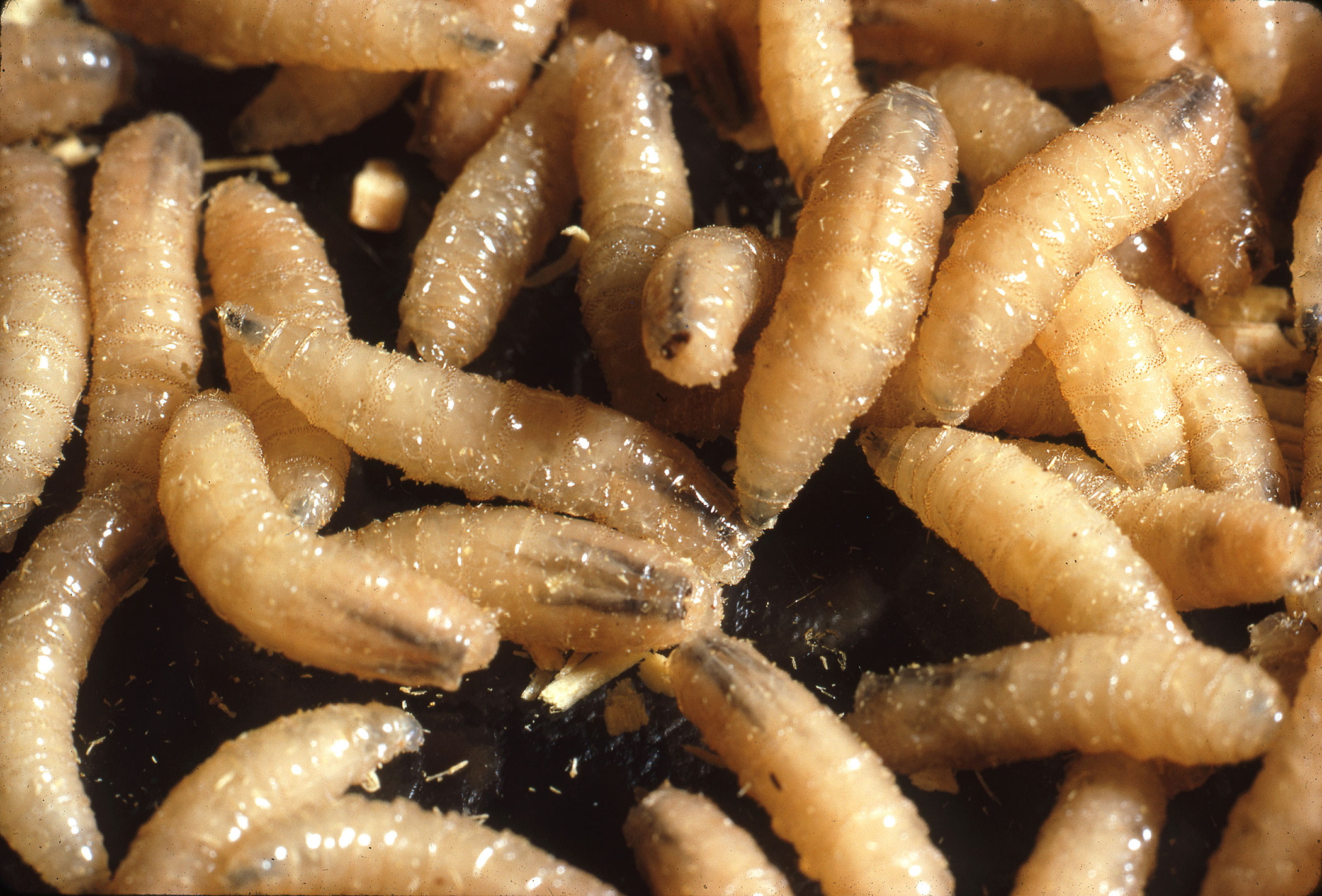
Why is the reemergence of the screwworm in the U.S. concerning?
Screwworms eat living flesh. And this can essentially be any warm-blooded animal.
Cats, dogs, pigs, chicken, rodents, possums, raccoons, white-tailed deer, coyotes, foxes - any animal that you can name that's warm-blooded in the Southeast is a potential host for the screwworm. The population of screwworms could explode rapidly.
Even if you don't have pets, cattle or horses, or if you're not worried about wildlife, you should be concerned for yourself because they can also infest humans.
Most people will avoid this. We brush away flies that approach us.
But there are subpopulations of people who are vulnerable. Homeless people, for example, could be at risk or people who are sleeping outside.
Screwworms will fly into open mouths and lay their eggs around our gums, and then the maggots will hatch and start feeding on our gums and all the oral tissue there. I've seen pictures of over three to four dozen maggots removed from one gum infestation.
Should people be worried about the screwworm?
No. Like anything in life, you want to stay informed about what's going on, but it's not something you need to be worrying about right now.
If that changes, we in UGA Extension will get the word out about the types of actions people need to be taking to protect themselves and their animals from screwworms.
How did we get rid of them before?
The federal government used what's called the sterile insect technique. And, for the general public, I have to say that the way it works doesn't make a lot of sense. You think, 'How does releasing more screwworms eradicate screwworms?'
Back in the 1950s, scientists discovered that the female screwworm mates only once in her entire life. If that one time that she mates, she mates with a male that does not have viable sperm, then her eggs will never hatch.
We eradicated the screwworm from North America, and we can do it again. I have faith in the process.
Nancy Hinkle
So, they sterilize male flies and then release them to mate with the females. Eventually, after mating with a sterile male fly, the female will die, leaving no offspring behind to carry on the next generation.
The sterile insect technique worked.
That's right. It worked. We eradicated the screwworm from North America, and we can do it again.
I have faith in the process. But we have to hire enough people to have inspections of cattle and other animals being transported across the border. We have to have people ensuring that infested wildlife are either getting treated or euthanized.
We don't want animals carrying screwworms farther north, farther west, farther south or farther east. We certainly don't want them headed toward Georgia.
It's going to take time, it's going to take effort and it's going to take money to contain the infestation and beat this pest back south again. But we can do it.


