
Factors such as sunlight and stage-specific nutrient application determine crop success in urban agriculture, far beyond fixed recipes or miracle solutions.
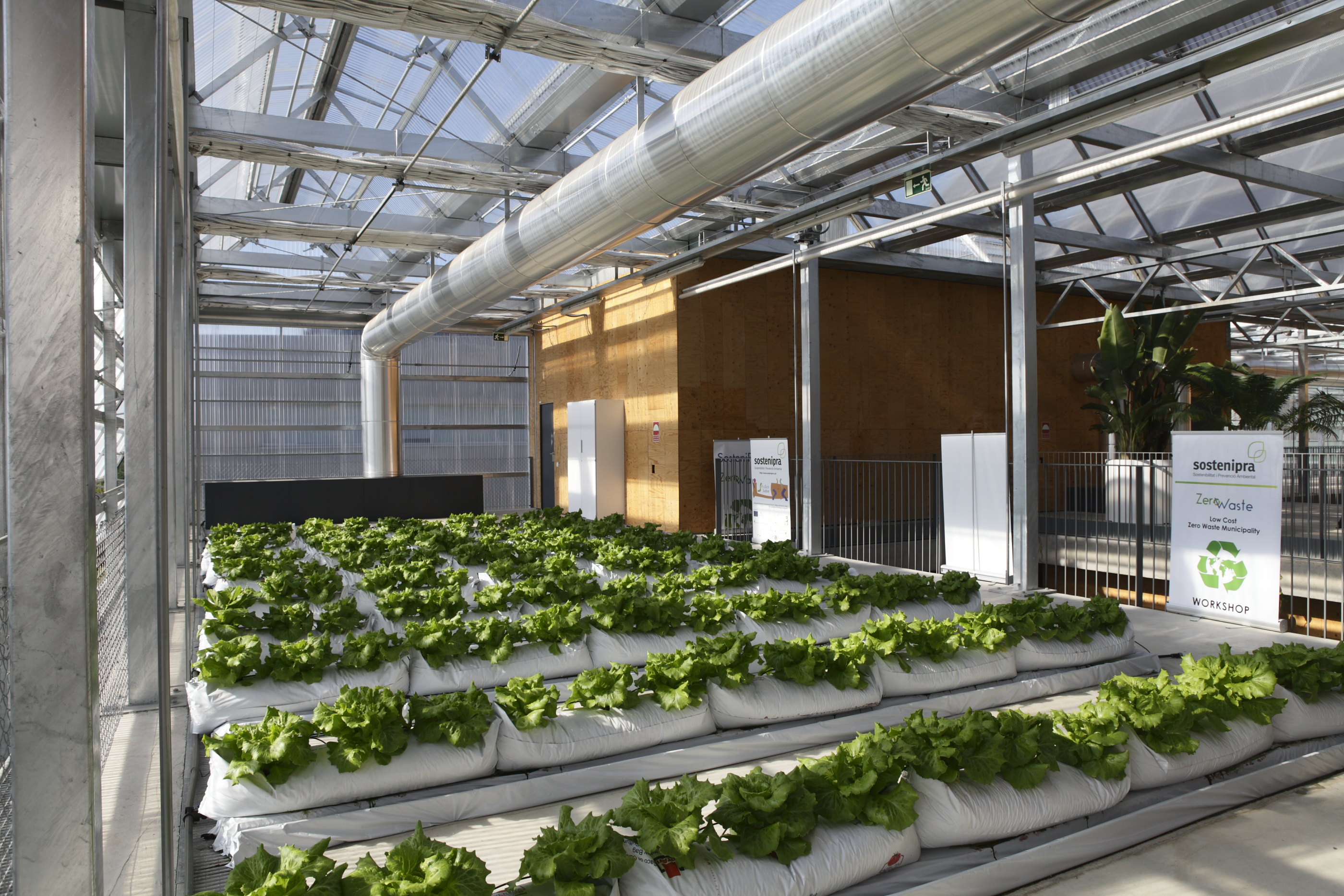
This is demonstrated by an eight-year study conducted by ICTA-UAB in its build-integrated rooftop greenhouse, thermally connected to the facility itself, and located within the university campus.
The research, which evaluated 11 tomato crop cycles between 2015 and 2023, analyzes how to optimize food production in cities sustainably and reduce its environmental impact. The analysis highlights that actions such as periodically replacing plastic roof coverings and utilizing alternatives like wastewater-recovered fertilizers maximize crop performance and prevent pollution.
Regarding solar radiation, the study identified that the amount of available light is the single most decisive factor for productivity. However, the natural and progressive degradation of the greenhouse's plastic roof panels caused a 31 % decline in production over the eight-year period. When the deteriorated panels were replaced in 2023, yields surged by more than 56 % compared to the previous year. The researchers recommend replacing these roof coverings every 4 to 6 years, rather than the 10 years typically suggested by manufacturers, thereby maintaining high productivity and reducing the overall carbon footprint by 6.7 % to 7.7 %.
In terms of crop nutrition, the team evaluated the use of struvite, a phosphorus-rich fertilizer salt recovered directly from municipal wastewater treatment plants. "Applied at an optimized dose of 100 grams per plant, struvite yielded the highest tomato harvests in the entire study, matching the performance of conventional mineral fertilization while offering a decisive environmental advantage: it drastically reduced the pollution of water bodies linked to fertilizer runoff", says Guido Evangelista, researcher at ICTA-UAB and main author of the study.
Furthermore, the study compared the rooftop greenhouse with a tomato crop grown in an indoor environment under artificial LED lighting. Although it achieved high water-use efficiency, the indoor system recorded the highest environmental footprint: 7.06 kg of CO2 equivalent per kilogram of tomatoes, with electricity consumption accounting for over 93 % of this impact, compared to the 0.54 to 0.94 kg of CO2 equivalent for the most efficient rooftop greenhouse cycles. The study calculates that if electricity were sourced entirely from solar photovoltaics, the indoor footprint would drop by 87 %, to 0.93 kg of CO2 equivalent, demonstrating that indoor farming is not automatically the most sustainable option unless paired with renewable energy sources.
Overall, the study contends that sustainable urban agriculture is not achieved through a single major fix, but rather through years of small, precise adjustments: a "learning by doing" approach that offers practical lessons for urban farms and rooftop greenhouses around the world.
Article reference: Evangelista, G., Villalba, G., Orsini, F., Muñoz-Liesa, J., Arcas-Pilz, V., & Gabarrell, X. (2026). Sustainable resource optimization for tomato cultivation in a rooftop greenhouse: an 8-year case study. Agronomy for Sustainable Development, 46, 49. https://doi.org/10.1007/s13593-026-01118-6


