
A secret to the survival of juvenile salmon as they form in their eggs is revealed by a new study from NOAA Fisheries and the University of California, Davis.
Sacramento River winter-run Chinook salmon are California's most endangered salmon, with a single surviving population and an average of a few thousand returning fish in recent decades. Shasta Dam blocks their original habitat in cold mountain rivers draining Mount Shasta, leaving them to spawn in the low-lying Sacramento River heated by the summer sun.
The study, published this week in Science Advances, found that cool river temperatures in the first 15 days after their eggs were fertilized was crucial for their survival. In warm years with less water, cold water barely covered this critical thermal window, sharply limiting survival in what may become an increasing reality for salmon as the climate warms.
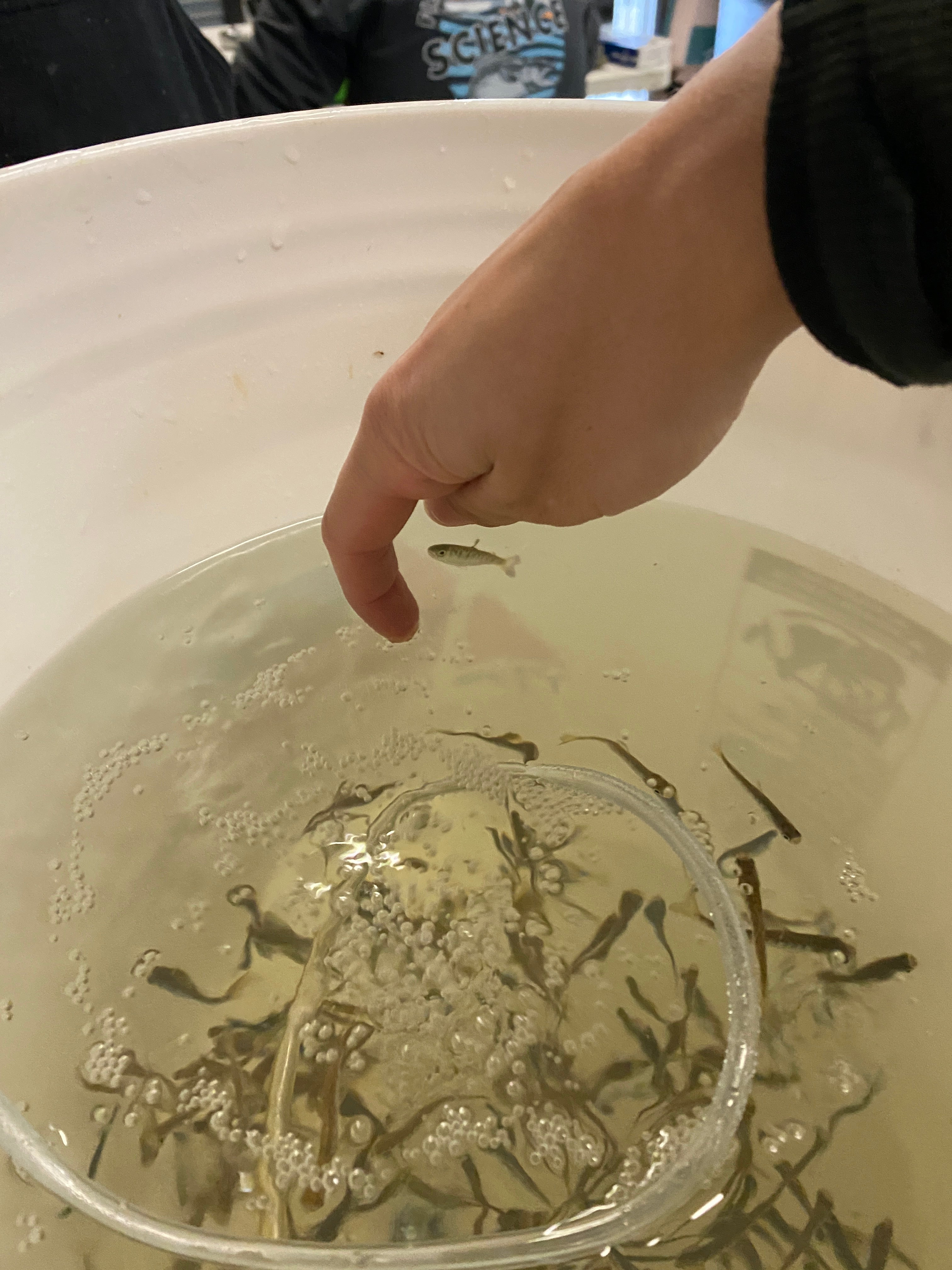
"Salmon may spawn throughout the summer season, but our results suggest that only a small fraction of those spawning events ultimately produced the juveniles that survived," said first author Kohma Arai, who conducted the research as a postdoctoral scholar at the UC Davis Center for Watershed Sciences. "This helps us understand the connection between what individuals experience during development and how populations respond to environmental change."
Water managers try to release cold water from Shasta Reservoir to cool the river enough for salmon eggs incubating in river gravel to survive, while also delivering water to farms and cities vital to California's economy. The balance grows more difficult in low-water years. Water agencies, water users, such as irrigators, and federal and state fish agencies prioritized the new research to address science questions key to salmon survival in a changing climate. The U.S. Bureau of Reclamation and California State Water Board funded the research.
Behind the spawning
Fisheries biologists long measured the annual success of winter-run Chinook salmon by the number of adult salmon returning upriver to spawn, presuming many were successful. However, laboratory studies suggested eggs may be sensitive to river temperatures. The new research shows that, in some years, the true success of the species may be much more limited.
"We learned that even when surveys show many salmon spawning over an extended season, only those eggs that experience the right temperatures are likely to survive," said coauthor Rachel Johnson, a research scientist at NOAA's Southwest Fisheries Science Center and UC Davis. "In some years, that number can be shockingly small. It's this number of successful spawners that we need to track to assess the true risk of extinction and goals towards recovery."
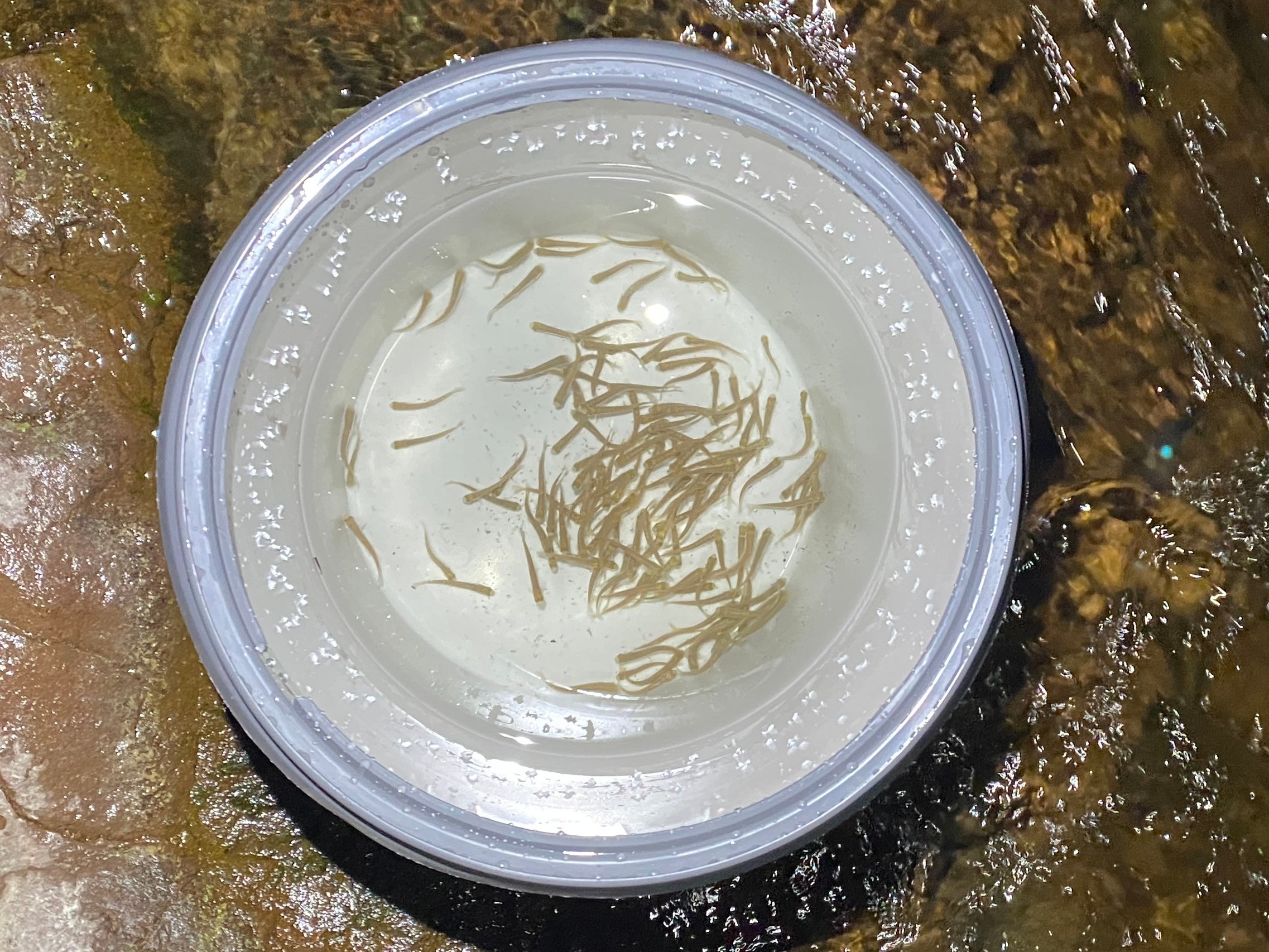
This survival bottleneck can dramatically reduce population size and erode diversity that helps salmon adapt to a changing climate, she said. She cautioned against using the results to target limited cold water to the key 15-day window for only part of the spawning season, favoring a reduced number of redds, or nests.
"Selecting the winners at this life stage can have unintended consequences by narrowing the chance that salmon encounter favorable conditions at later life stages- it's like putting all your eggs in one basket." Instead, the findings argue for strategies such as reintroduction to historical habitat that give fish more options to survive, benefiting the environment, tribal communities, and economy in the long run.
"For endangered species, we have removed so many options, we don't have the luxury of further selecting certain survivors," Johnson said.
Cooler redds prevail
The team, for the first time, combined salmon spawning surveys, river temperature models, and analysis of salmon otoliths, or ear bones, to track factors affecting juvenile salmon developing inside their eggs. An ion microprobe, operated by UCLA, measured oxygen isotopes in the otoliths that indicate the temperatures salmon were exposed to. This combination of traditional field work and new technologies enabled the researchers to identify which redds likely produced the surviving salmon.

When the team compared the incubation temperatures of surviving juveniles to temperatures for spawning areas where juveniles did not survive, "the pattern was remarkably clear," Arai said.
"The juveniles that survived had experienced cooler incubation temperatures during their earliest stages of development, whereas unsuccessful locations were consistently associated with warmer temperatures over the same developmental period."
For each 1.8°F increase in the average river temperature during the 15-day window, the probability of juveniles surviving declined about 73 percent. The survivors appeared to tolerate higher temperatures later in their development.
This suggests that the timing of favorable river temperatures may be as important as the temperatures themselves. Even short mismatches between spawning and available cold water can reduce the number of surviving juveniles.

New framework provides insight
The research may open a new window on the early development of salmon and other species sensitive to temperatures and changing environmental conditions.
"I will never cease to admire the way our students and researchers see new technology and envision new ways to apply it to answer questions that may have seemed out of reach," said coauthor Carson Jeffres, who leads a fisheries laboratory at the UC Davis Center for Watershed Sciences with Johnson. "Suddenly we have new insight into the very earliest and - now we know - key stages of salmon survival."
Collaborators with the U.S. Fish and Wildlife Service collected juvenile fish for the study; the California Department of Fish and Wildlife documented spawning locations; NOAA Fisheries and UC Santa Cruz tracked river temperatures connected to the otolith data; and UCLA focused the ion microprobe on otoliths at very fine scales.


