
Climate services face a problem at both ends of the data chain. Critical gaps in Earth observations remain, while growing pressure on the networks that monitor the planet risks widening those gaps. Yet even where good data exists, it too often fails to reach the people who need it or arrives in a form they cannot readily use.
That challenge was a recurring theme for the iClimateAction project during a series of international meetings between April and July 2026. The EU-funded initiative brings together the World Meteorological Organization (WMO), the Global Climate Observing System (GCOS) and the Group on Earth Observations (GEO) to strengthen coordination across the climate observation system.
At the 2026 WMO Global Atmosphere Watch (GAW) Symposium in Geneva, discussions repeatedly returned to a central point: coordination across institutions and programmes is as critical as science itself - a dimension at the core of the iClimateAction project. Urban climate, for example, cuts across atmospheric composition, weather, climate research and long-term observation. The expertise exists, but it sits across different programmes, mandates and systems. Better coordination could connect these capabilities and make the whole more useful than the sum of its parts.
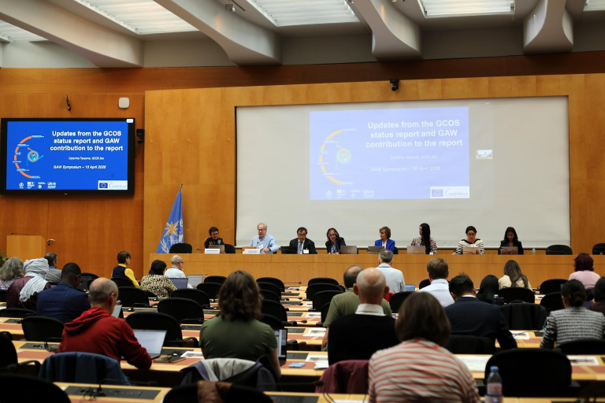
Following the WMO GAW Symposium, an iClimateAction workshop on extreme heat brought this challenge down to the city level. Cities already know that heat is a threat. What they need is information that helps them decide where to intervene, who is most vulnerable and which measures will work.
Answering those questions means connecting satellite and meteorological observations with information on health, housing, infrastructure and vulnerability. The workshop explored a potential Global Heat Resilience Service that would bring these different sources of information and expertise together, helping cities identify the tools and measures that are relevant for their circumstances.
The GEO Symposium in June 2026 widened the discussion to the climate-data chain as a whole. During an iClimateAction-led session, representatives from the European Commission, WMO, GCOS, GEO, space agencies, Member States and public and private-sector organisations examined what it takes to turn Earth observations into climate services that people can actually use.
The discussion highlighted fragmentation as a persistent obstacle. Climate information is spread across platforms and institutions, produced using different methodologies and standards, and is not always easy for users to find, combine or apply.
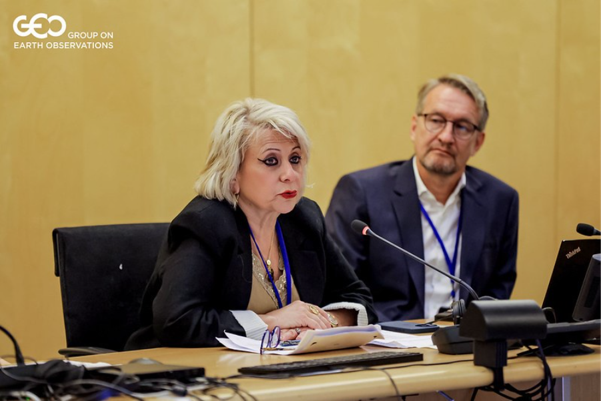
iClimateAction's role in bringing GEO, WMO and GCOS together around the data chain of Essential Climate Variables (ECVs) - the set of variables needed to characterize the Earth's climate - was presented as one way of addressing these divides, linking observations more closely to operational services and ultimately to decisions.
Artificial intelligence emerged as a potentially powerful tool for navigating increasingly complex datasets, accelerating analysis and developing new services. However, participants stressed that technology cannot solve structural fragmentation on its own. Without interoperability, common standards, transparency, sustained cooperation and equitable access, AI risks adding another layer of complexity rather than closing the gap between observations and action.
Across these meetings, the message was consistent: climate action depends on maintaining and strengthening the observations we rely on, while also making better use of what we already have by connecting data, expertise and systems across programmes and institutions.
This is the space iClimateAction is trying to occupy: bringing institutions, data systems and users closer together so that climate observations do not stop at measurement but can inform the decisions they are intended to support.


