
We spend hours each week scrolling, swiping and searching. But what if some of your screen time could track whales, identify wildlife and power real research? That's where citizen science comes in.
Citizen science is when everyday people contribute to research by collecting data, sharing sightings, identifying species and helping monitor ecosystems. It's an innovative approach that connects communities with scientists, turning thousands of individual observations into reliable, large-scale insights.
So, why is citizen science important? Science needs scale. Researchers cannot be everywhere at once across the vast Great Barrier Reef, remote coastlines, migration routes or our own backyards. But together, we can be. When communities get involved, data grows, research moves faster and conservation becomes smarter.
And getting started is easier than you think. Here are five easy ways to replace doomscrolling and make your screen time meaningful:
#1. iNaturalist
If you've ever stopped to photograph a bird, insect, flower or fungus, you're already halfway there.
iNaturalist is a global community science platform that helps people identify plants and animals while contributing biodiversity data to research. These records help scientists understand where species live, how seasons are creating change and how ecosystems respond over time.
Your action: download the app, photograph a species near you and upload your first observation. You'll receive identification support from the community while building your own record of local wildlife.
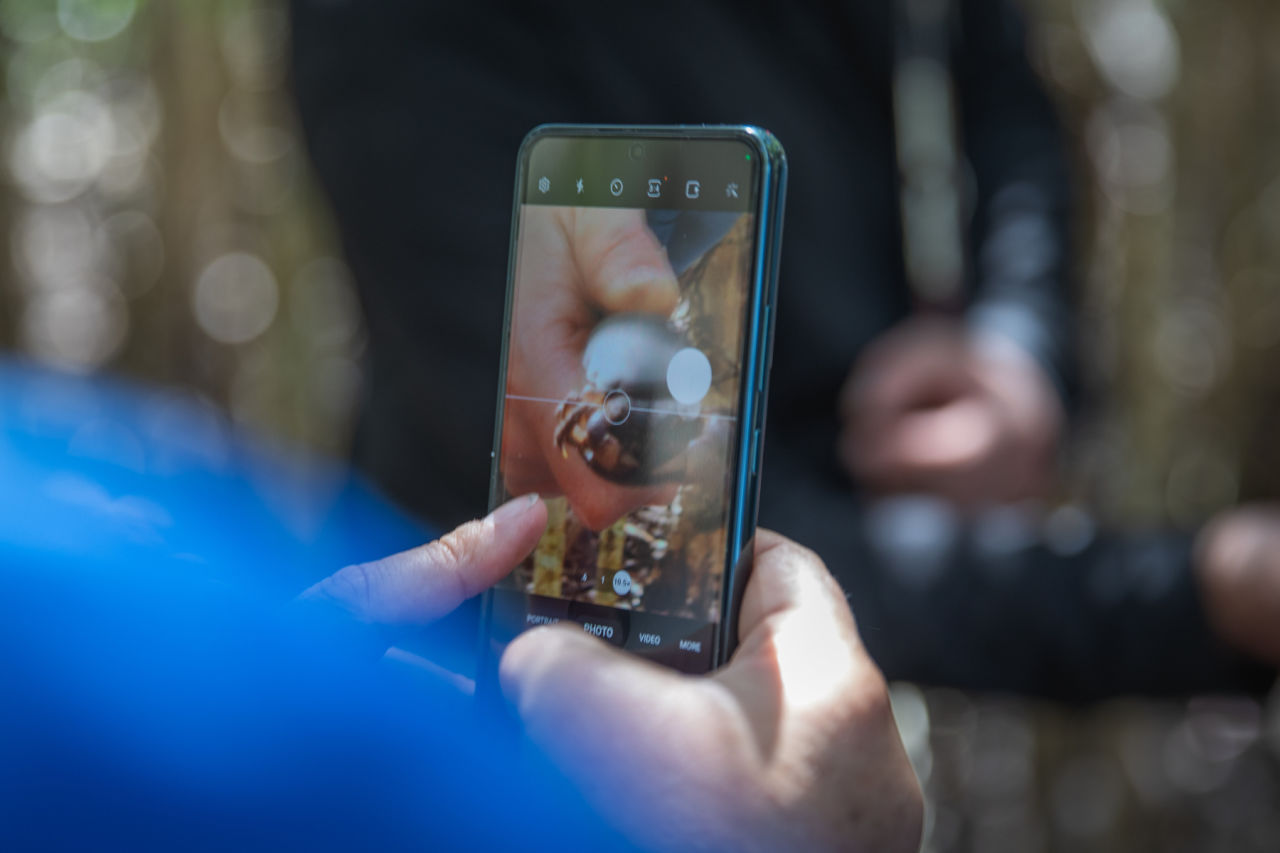
Your wildlife are valuable to community science platforms like iNaturalist. Credit: Bendi Media.
#2. Eye on the Reef
Eye on the Reef is a community-powered monitoring program led by the Great Barrier Reef Marine Park Authority. It helps capture what's happening across the Reef in real time.
Using a simple app, Reef visitors can record reef health, wildlife sightings and incidents such as coral bleaching, crown-of-thorns starfish or pollution. These observations are GPS-tagged and shared with scientists and Marine Park managers.
This steady stream of reliable data helps detect early warning signs, build a clearer picture of reef health and inform decisions that protect the Great Barrier Reef for the future.
Your action: Next time you're on the Reef, download the app and contribute. Your sighting could help drive real-world action.
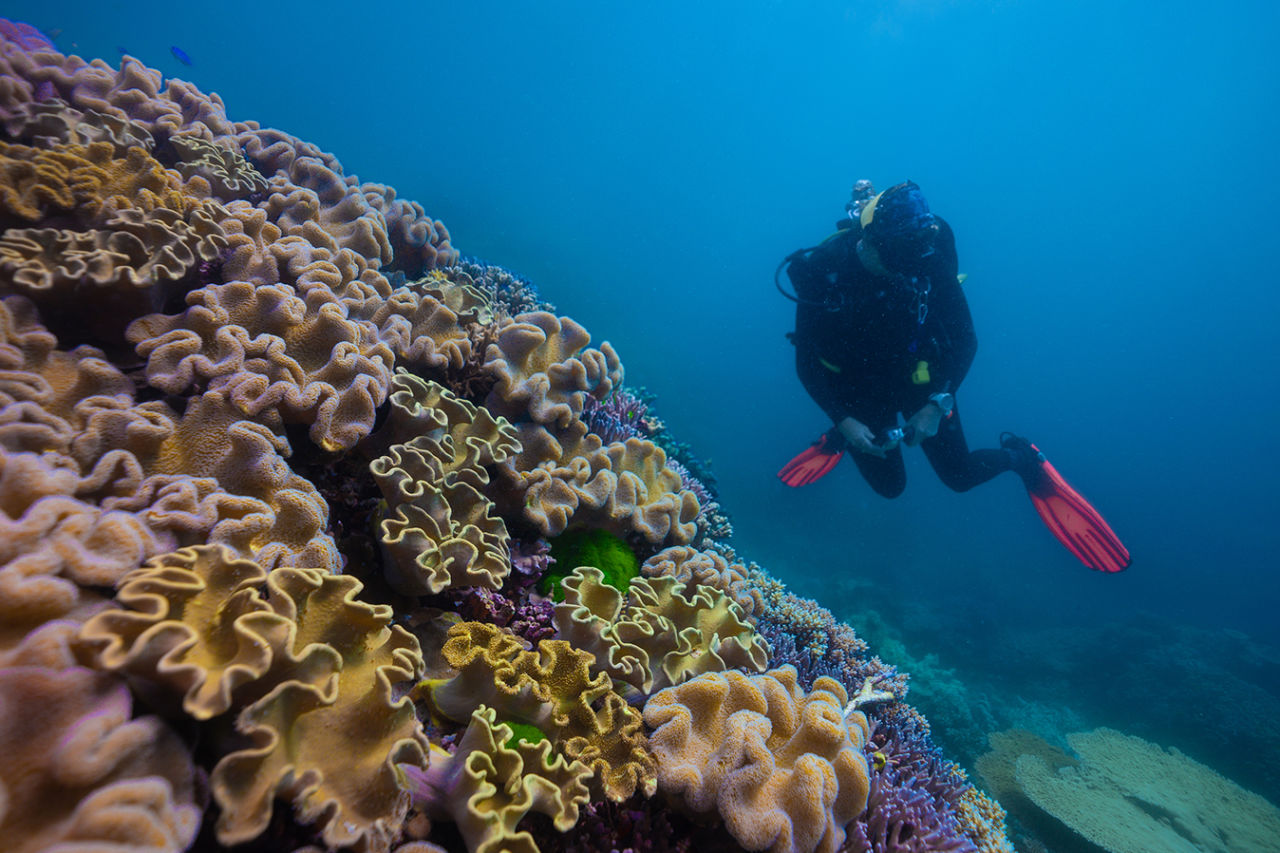
Your observations of the Reef can drive real-world action. Credit: Bendi Media.
#3. Project Manta
Project Manta, led by the University of the Sunshine Coast, is uncovering the mysteries of manta rays - an iconic species listed as vulnerable to extinction. Limited data has historically made their protection difficult.
Each manta ray has a unique pattern on its belly, just like a fingerprint. By uploading photos and videos, you can help researchers build a clearer picture of where manta rays travel and how they use marine environments. This builds critical information for their long-term protection.
Your action: If you spot a manta ray while on the Reef, take a photo and share it. You're not just capturing a moment. You're helping protect a species.
By uploading photos of manta rays, you can help researchers track and protect this iconic species.
#4. Happywhale
Happywhale is a global whale identification platform that turns iconic whale tail (fluke) photos into valuable scientific data. When a whale dives and lifts its tail above the water, the unique markings, shapes and patterns on the underside of the fluke act like a fingerprint. Using image recognition technology, Happywhale matches these images to individual whales.
These matches help reveal migration routes, population trends and the impacts of climate change on whale populations - insights that would be impossible to gather at this scale without public participation.
Your action: Heading out whale watching? Take a photo, upload it and discover where your whale has travelled.
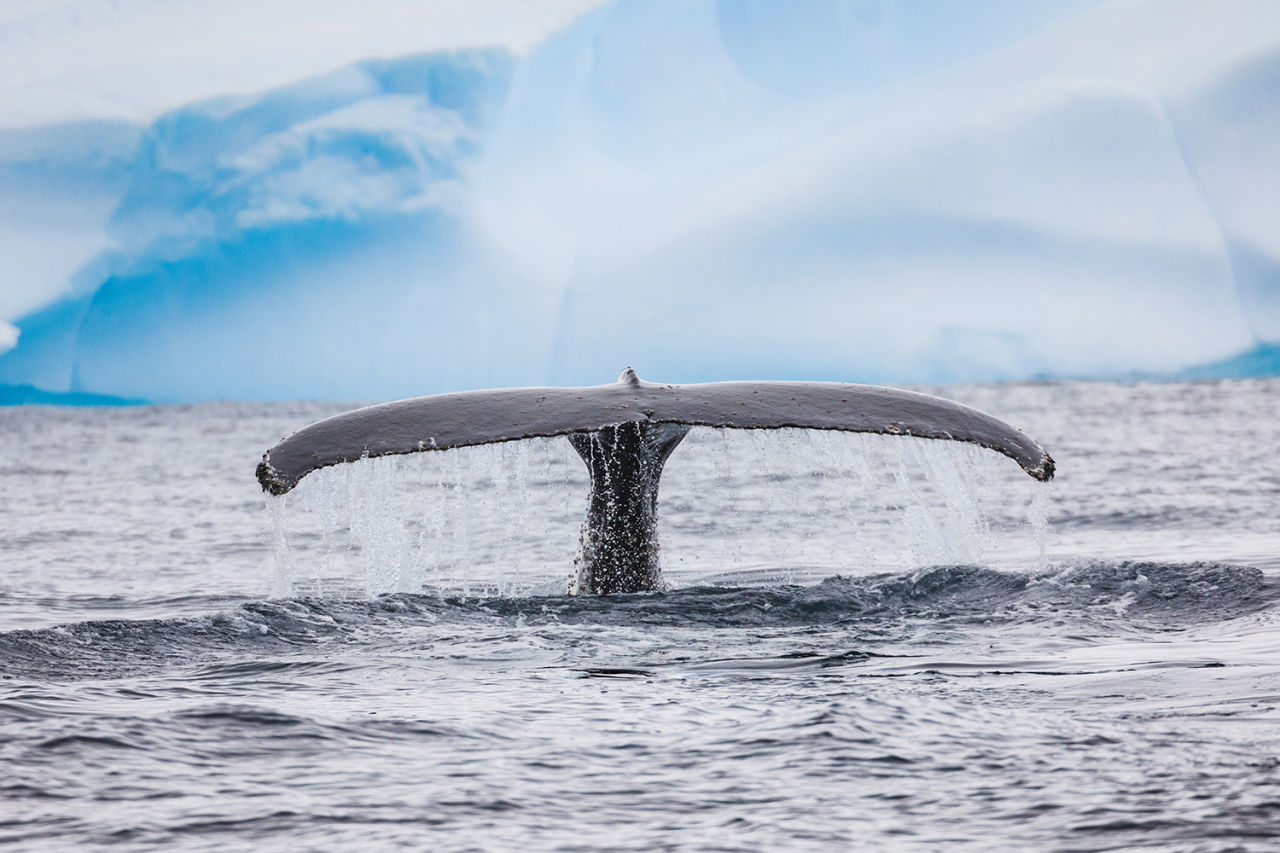
Photos of whale tails can be used to track their movement. Credit: Playful Lens.
#5. Great Reef Census
The Great Reef Census is one of the most ambitious citizen science projects on the Reef, designed to rapidly scale how we understand Reef health.
A fleet of vessels capture thousands of reef images. From there, the global community steps in.
From your screen, you can help analyse these images by identifying what's on the Reef. This helps researchers process huge volumes of data quickly, unlocking a more complete, timely picture of Reef condition.
Your action: No snorkel required. Join from anywhere and help turn Reef imagery into the data that drives real-world action
Top image: phones documenting biodiversity sightings in Far North Queensland. Credit: Bendi Media.


