
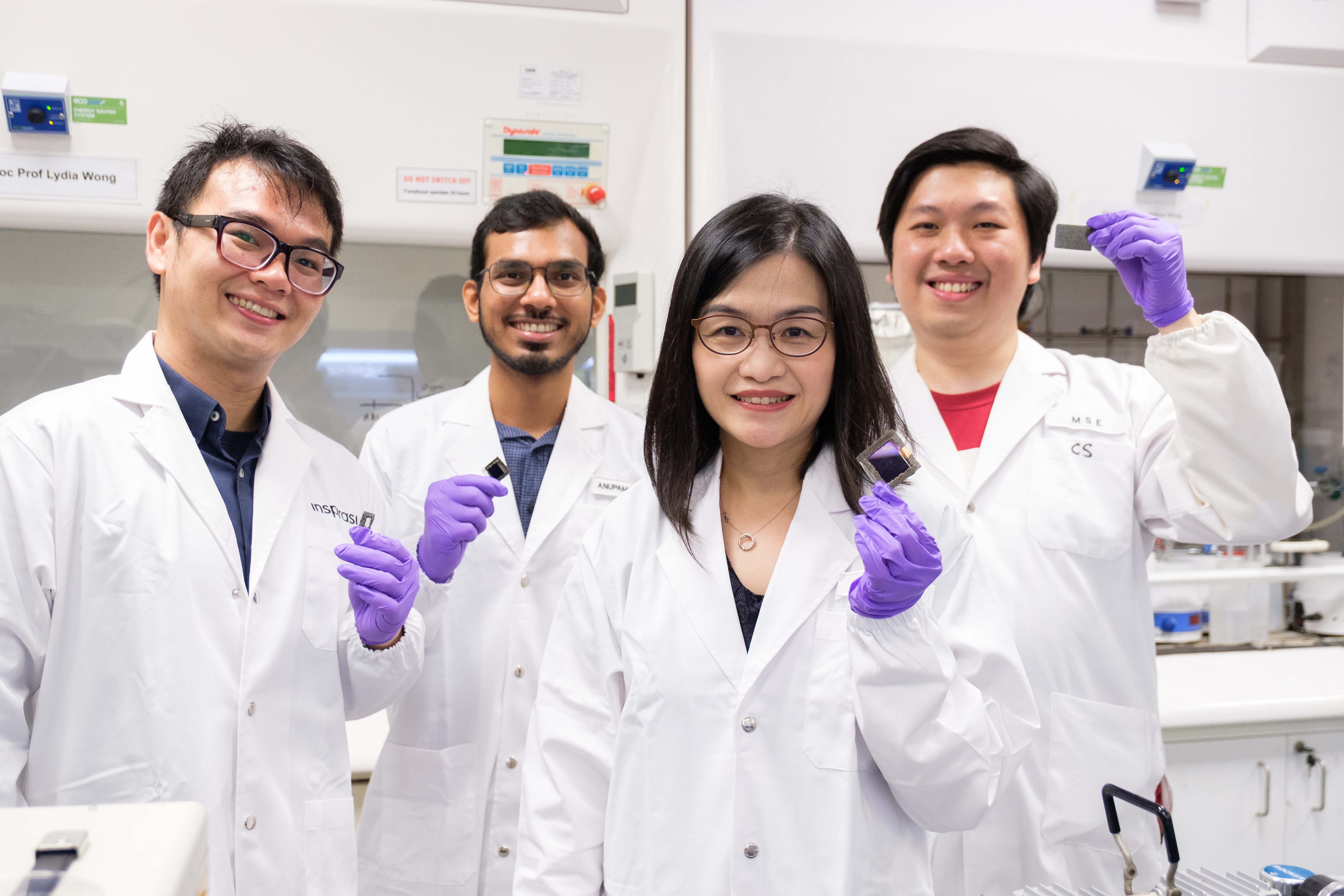
Inspired by leaves, scientists from Nanyang Technological University, Singapore have designed a device that captures sunlight to produce clean hydrogen from seawater and simultaneously degrade hydrazine, a highly toxic contaminant from industrial wastewater.
Reported in Nature Communications, the device converts sunlight into electricity to drive the reaction without the need for external power sources.
The device maintained a stable performance for over 72 hours. It also effectively degraded hydrazine, reducing its concentration from 0.5 M (equivalent to about 1.6% by weight) to 0.5 parts per billion (ppb), more than 20 times below the US Environmental Protection Agency's permissible limit of 10 ppb.
The researchers are now working to expand the device's applications to treat other pollutants as well as convert waste materials into fuels and industrial chemicals.


