
Five world-renowned researchers have been recognised for their scholarly work after being elected as Fellows of the British Academy.
Historians Professor Jane Whittle and Professor Mark Jackson, Professor of Christian History and Theology Morwenna Ludlow, human geographer Professor Neil Adger, and Professor of Arabic Studies Rob Gleave were among 58 UK fellowships announced today (Friday).
The Fellowship is the highest honour that the Academy confers on UK residents in recognition of scholarly distinction in the humanities and social sciences.
In receiving it, the Exeter scholars join luminaries including Seamus Heaney and Sir Winston Churchill.
Professor Ludlow, of the Department of Classics, Ancient History, Religion and Theology, studies the history of Christian thought, with a particular focus on the early church. She also writes about the reception of early theology by modern thinkers and the implications of early theology for the world today. Her most recent book, Art, Craft, and Theology in Fourth-Century Christian Authors, took as its starting-point the way in which ancient writers compared texts with paintings or sculptures.
"I am proud to be a new member of an institution which is defending the value of the Social Sciences, Humanities and Arts in a period when they are increasingly under threat," she said. "Being an FBA will help me to communicate why my research and that of my colleagues is so important for a rich, deep and critical understanding of the world."
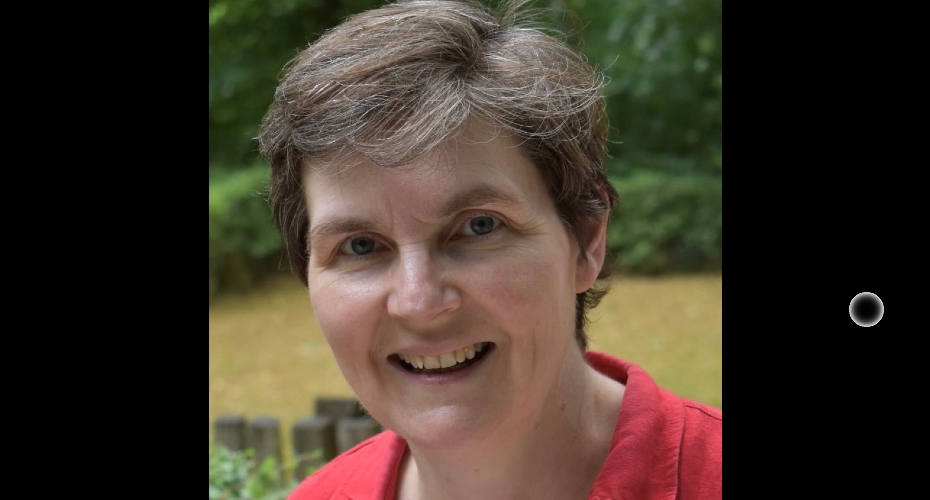
Professor Ludlow is currently the holder of a Leverhulme Major Research Grant on God and Good Speech in Early Christianity'. Her research focuses on the question of what makes human communication truly good – as opposed to simply being effective in a technical sense. What kind of speech respects the humanity, agency and value of those to whom it is addressed? How do we secure the authority of speakers who have traditionally not been given a public voice? How does good speech adapt to its audience, being an advocate for the precarious and calling the powerful to account?
Professor Gleave, of the Institute of Arabic and Islamic Studies, focuses his research on the history of Islamic law and particularly legal theory and hermeneutics in the Shiite Muslim tradition. He has led several research projects since joining Exeter in 2025 as Professor of Arabic Studies, including an ERC advanced award, and most recently a British Academy Wolfson Professorship. His latest works include a collection of translated Islamic legal texts (Islamic Law in Context, CUP with O. Anchassi) and a collection of Shiite legal texts (Shiite Legal Theory, EUP with K. Rajani).
He said: "Being elected to the fellowship of the British Academy is a huge honour for me. Today humanities and social science disciplines face many challenges, and I am eager to play my part in the BA's campaign to promote and defend their critical importance in Exeter, across the UK and internationally."
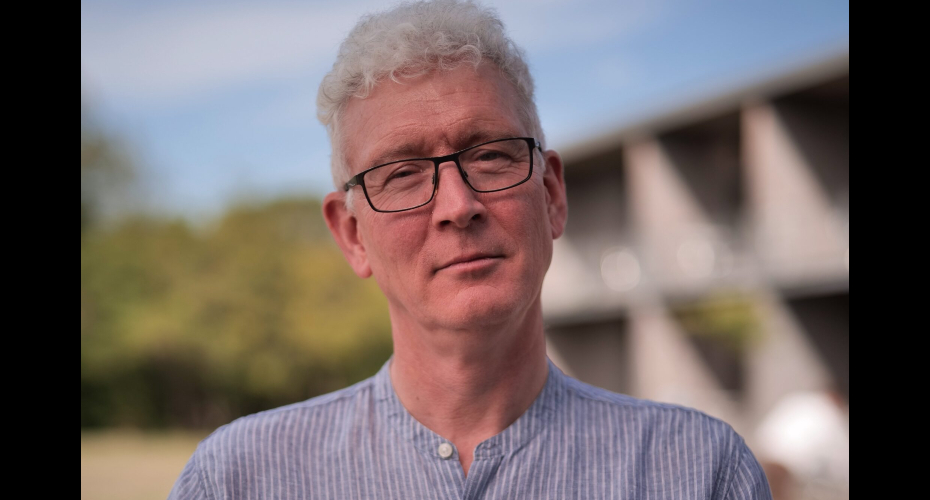
Professor Adger, of the Department of Geography, specialises in environmental geography, ecological and institutional economics, and global environmental change. He was recently awarded the BBVA Frontiers of Knowledge Award in climate change and was listed in the top 20 of Reuters Hot List of Most Influential Climate Scientists.
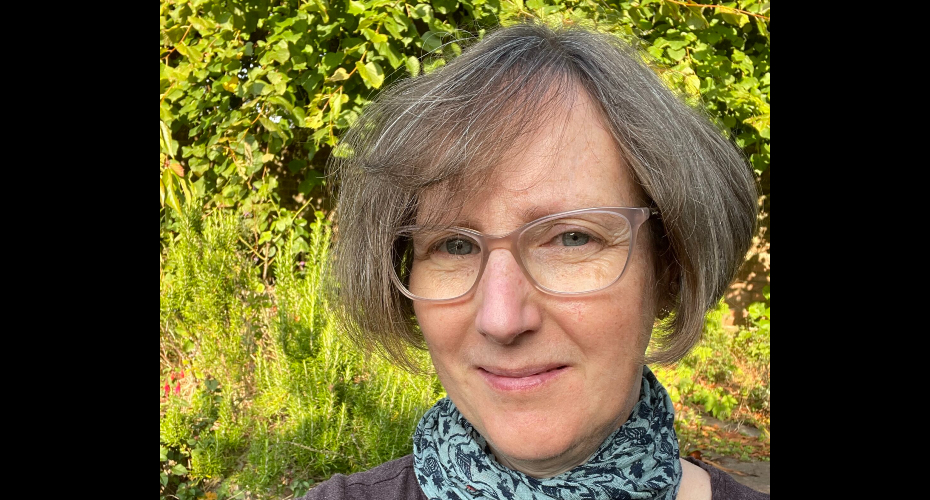
Professor Whittle's research explores the history of work/labour, economic development, household economies, material culture and consumption, from the late medieval to the early modern period.
In 2019, she won a prestigious European Research Council Advanced Grant of €1,666,565 to investigate the day-to-day working lives of ordinary people, including women and children. The findings of this five-year project were captured in Professor Whittle's book, released in autumn last year, titled The Experience of Work in Early Modern England.
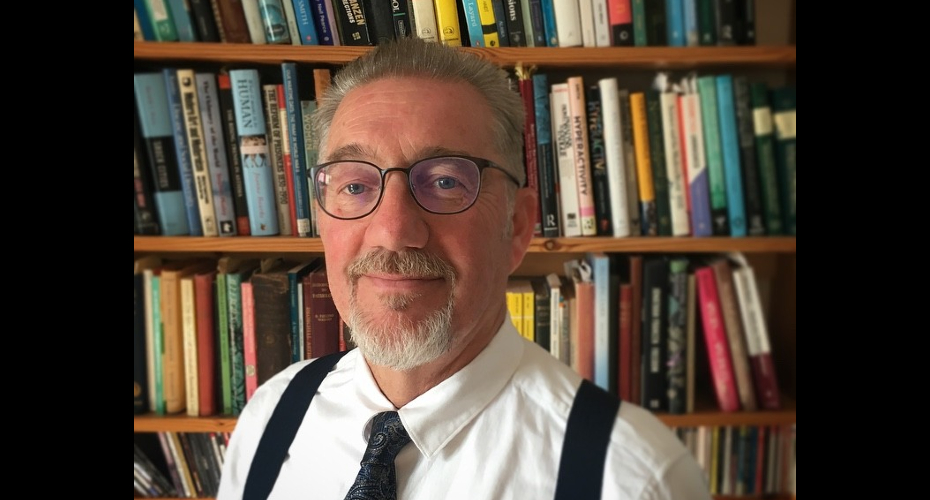
Professor Jackson, whose doctoral research was funded by the British Academy, started his career as a qualified doctor before moving into academia. He is renowned for his research focusing on the social and cultural history of modern science and medicine and the history of crime and justice since the seventeenth century. He has particular interests in the history of allergic diseases, such as asthma, hayfever and eczema, the history of stress, and the history of life transitions including the midlife crisis and retirement.
Since 1991, he has been awarded over £13 million in research grants, including £8.7 million for the interdisciplinary Wellcome Centre for Cultures and Environments of Health and the WHO Collaborating Centre on Culture and Health.
Founded in 1902, the British Academy is a funder of both national and international research, and a forum for debate and public engagement. It consists of more than 1,800 of the leading minds in these subjects from the UK and overseas.
Current Fellows include the classicist Professor Dame Mary Beard, the historian and China expert Professor Rana Mitter and philosopher Professor Baroness Onora O'Neill.
Welcoming the new Fellows for 2026, the President of the British Academy, Professor Susan J Smith, said: "I am delighted to welcome our newest Fellows to the British Academy. Each has made an outstanding contribution to their field, and together they reflect the remarkable breadth and depth of scholarship across our disciplines.
"At a time when society is grappling with radical uncertainty in the face of technological, economic and environmental change, the humanities and social sciences have never been more important. Insights from economics, geography and political studies help us navigate geopolitical tensions, while literature, history and philosophy - to name a few of the disciplines the Academy represents - fuel our creative industries and help people to better understand themselves and each other.


