Nine months into the war on Iran, the energy shock is still making it harder for people to pay their bills. In October 2026, the war on Iran's energy shock is still squeezing household budgets worldwide. Higher fuel costs and disrupted fertiliser supplies are making food more expensive to produce and transport. International food prices reached their highest level since November 2022 in September, according to the UN Food and Agriculture Organization. Other conflicts and extreme weather, including El Niño, are adding to the pressure.
Fossilflation happens when rising fossil fuel prices push up the cost of living. This is a recurring weakness of the fossil fuel system. Greenpeace International's report, Fossilflation: How oil and gas prices drive inflation and how households can be protected, examines this problem in the eurozone and Germany. Greenpeace teams in the US, Spain and France have published national findings too.
How does fossil fuel dependence affect everyday prices?
Fossil fuel dependence means relying on oil and gas to power transport, heat buildings and produce goods. When those fuels become more expensive, people can pay more for essentials even without using more energy.
A farmer may pay more for diesel and fertiliser. A bakery may face higher energy and delivery costs. Those increases can reach people through food prices as well as fuel and electricity bills. In Spain, Greenpeace finds that households on the lowest incomes, farmers, industry and small shops have been hit especially hard.
What did Greenpeace find about inflation in 2026?
Annual inflation in the eurozone, the group of countries that use the euro, rose from 1.7% in January to 3.2% in August 2026. That is an increase of 1.5 percentage points. By August, prices were rising faster than they had been in January.
Higher energy prices accounted for essentially all of that rise. Prices of other goods and services were broadly unchanged over the period. Energy prices drove 100% of the changes in inflation in both the eurozone and the US so far in 2026. This does not mean energy caused every price increase. It means energy drove the overall increase in the inflation rate during those months.
How much did the oil shock linked to the war on Iran add?
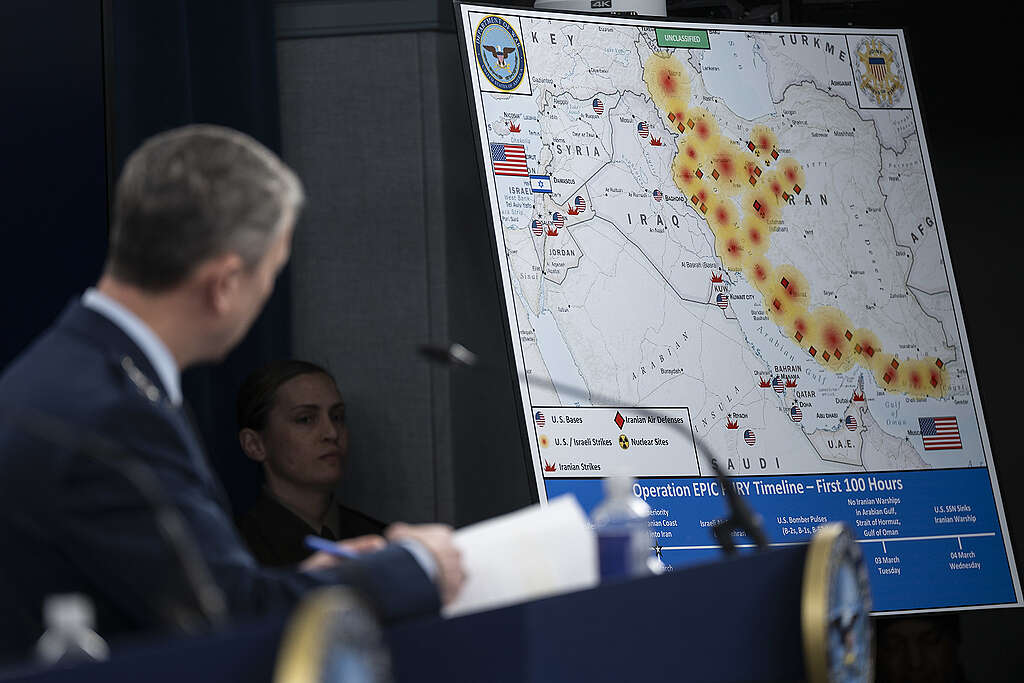
The report estimates that eurozone inflation in August, 2026, would have been 2.2%, rather than 3.2%, if oil prices had remained at their January level. In Germany, inflation would have been an estimated 1.9%, instead of 2.9%.
To calculate this, researchers asked what inflation might have looked like if oil prices had stayed at their January level. This isolates the oil shock's direct effect, which accounts for most of the rise. It does not measure every way the war has affected people's living costs.
Does the report say fossil fuels cause 97% of inflation?
No. The report finds that energy accounted for 97% of fluctuations in the eurozone's headline inflation rate from January 2024 to August 2026.
This measures how much energy contributed to changes in the overall inflation rate. It does not mean fossil fuels caused 97% of every price rise, or that people spend 97% of their money on energy.
Is this only happening in Europe?
No. Greenpeace's national findings show the same pattern:
US: inflation rose from 2.4% in January to 3.4% in July, peaking at 4.3% in May. Energy prices explain the entire rise, and the oil price alone directly accounts for around 75% of it. Without the war on Iran, July inflation would have been around 2.6%.
Spain: imported oil and gas prices are responsible for 85% of the rise in inflation, according to Greenpeace Spain's national analysis. Without the oil price rise, September inflation would have been 3.4% instead of 5%.
France: cost of living is the public's top concern according to an Ipsos survey, and Greenpeace France says the government has not protected people from fossilflation.
Can higher interest rates solve fossilflation?
Higher interest rates can slow spending and help contain inflation. They cannot stop a war, reopen a shipping route or remove dependence on oil and gas. Governments at emergency level speed should reduce exposure to the fossil fuel system and help people switch to renewable power and electric heating and transport, reducing how much sudden oil and gas price rises affect their bills.
Are renewables ready to replace fossil fuels?
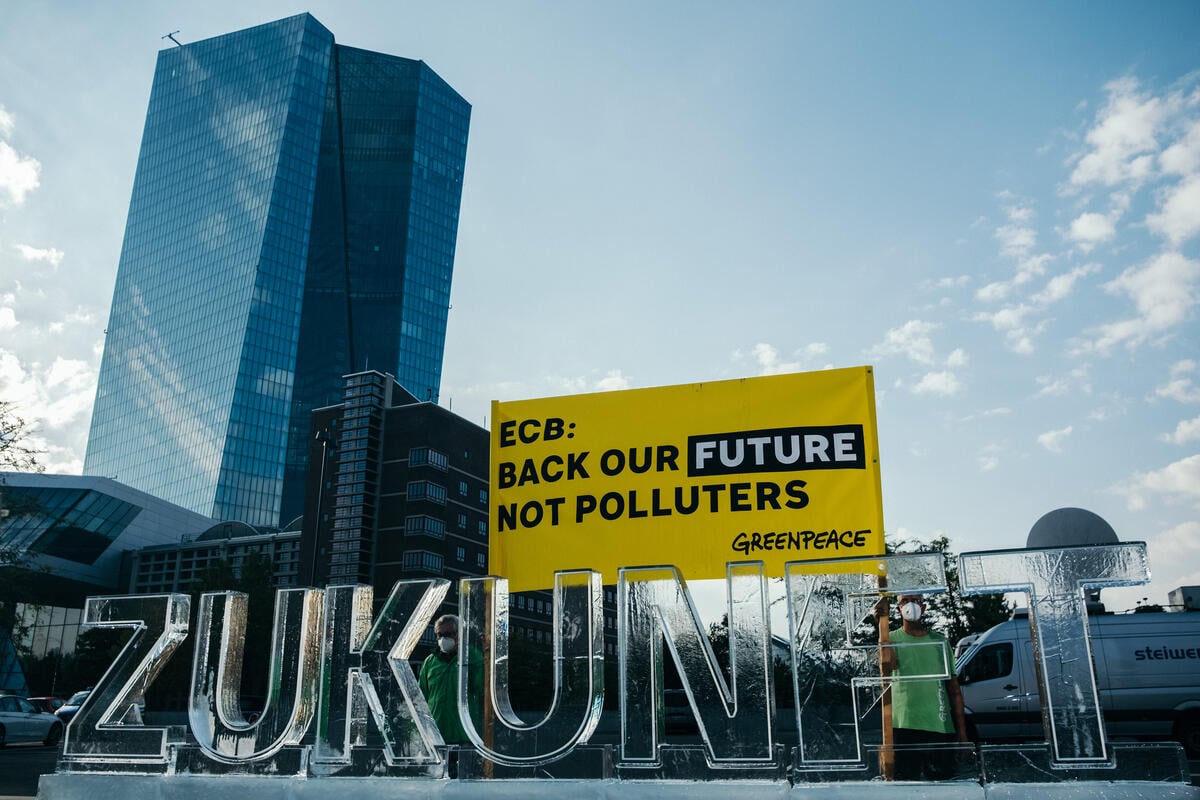
Wind and solar are already widely deployed and among the cheapest sources of new electricity in most regions. Batteries store electricity for later. Better electricity networks and a mix of renewable sources help keep power available when the weather changes. These technologies are available now.
Once built, wind turbines and solar panels generate electricity without continually buying fuel. Replacing oil and gas also requires electric heating and transport, alongside investment in storage and grids. Governments must support this transition while protecting communities and nature.
How can renewables help people keep their bills more stable?
Electrification means replacing equipment that burns fossil fuels with electric alternatives, such as heat pumps and electric vehicles.
For this report, researchers modelled a home in Germany using a heat pump, an electric car, rooftop solar panels and a battery. Its own solar and battery meet 70% of its electricity needs. Prices across its modelled mix of everyday purchases rose by 1.5% between January and August 2026, compared with 2.5% for Germany's official mix of consumer purchases. A similar modelled French household saw prices rise 1.6% instead of 3.45%. In Spain, the modelled household's cumulative inflation to September was 3.2% instead of 4.8%. These are illustrations from specific modelled households, not a guarantee, and they leave out upfront costs. Greenpeace Spain also finds that renewables helped the country avoid €77 billion of oil and gas imports between 2020 and 2025.
The technology is ready. Ember's September 2026 report, The Age of Power, finds that 97% of the world's people live in a country where solar and wind potential exceeds ten times its current electricity demand. A May 2026 IRENA report adds that solar and wind paired with battery storage already deliver cost-effective, round-the-clock electricity.
What should governments do now?
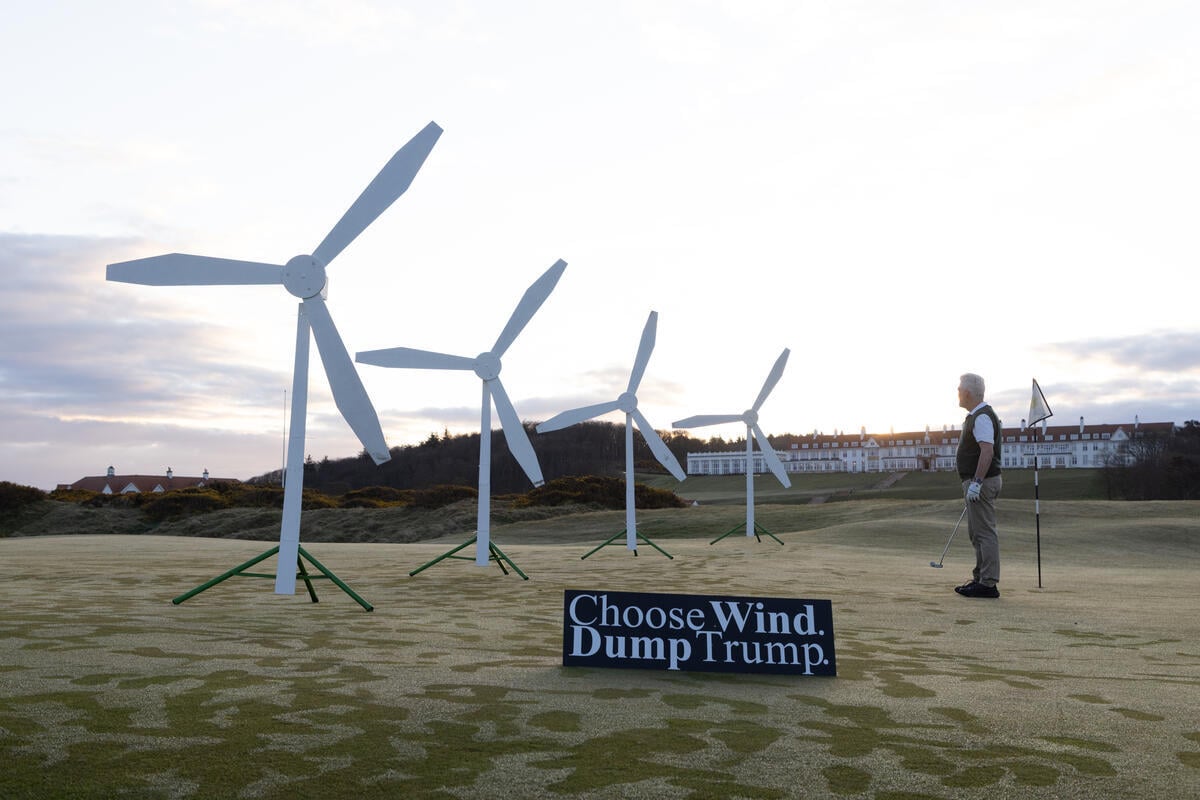
Greenpeace calls for peace, and for governments to protect people from rising bills by ending fossil fuel dependence faster. Central banks and finance ministers should also treat fossil fuel dependence as an economic risk.
Governments must make renewable power affordable and accessible, including through rooftop solar and community energy projects. They must invest in electricity networks, storage, clean transport and homes that need less energy to heat and cool. Support must reach people who cannot afford the upfront costs. Taxing fossil fuel profits can help pay for it. In Spain, for example, the government spent €12 billion on crisis measures in 2026 while oil and gas companies made €4.7 billion in windfall profits. People should not have to keep paying for crises they did not create.
Stop fossil fuel giants profiting from war and pollution. Sign now to tax profits and fund disaster relief and energy independence.