
The success of streaming platforms such as Netflix and digital technologies like smartphones has fundamentally changed how people experience popular moving-image content.
Where media consumption might once have been considered an 'event' - and often a communal one - touchscreens and algorithms have now transformed it into something more individual and inseparable from daily life
These are some of the findings from a new book that explores how hardware and software are "redefining our relationship with the moving image".
Constantly Streaming: Digital Platforms, Touchscreens and Moving Image Spectatorship, written by film expert Dr Zlatina Nikolova, of the University of Exeter, also looks at how this can fuel problematic habits like excessive consumption.
"Streaming services have significantly disrupted the media landscape over the last decade, challenging existing industrial frameworks of exhibition and encouraging new modes of spectatorship with audiences," says Dr Nikolova, Lecturer in Film in the University of Exeter's Department of Communications, Drama and Film.
"Streaming's appeal is based on substantial content libraries, a viewing experience detached from the temporal frameworks of the cinema listings and the TV schedule, and availability across various devices."
Published by Bloomsbury, the book draws on Dr Nikolova's research over several years spanning film and media histories, digital media, and human-computer interaction.
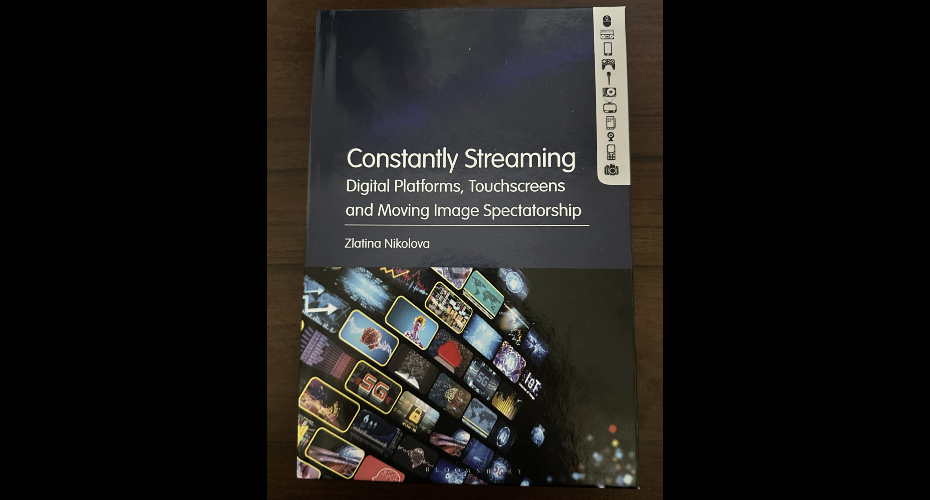
Across its six chapters, it traces the historical development of moving image spectatorship and its transformation under the influences of digital technologies. It also examines the moving image's transformation from an event and cultural output to a digital object, made available alongside other art forms such as books and music.
The book explains that one driving factor in this change is the rise of personalised tech devices and the prominence of physical gestures such as swiping, tapping, and pinching, which have become ingrained in our technology use and interaction with moving image media.
"Through the book, I wanted to demonstrate that the notion of the moving image has become an inseparable part of contemporary culture and society," adds Dr Nikolova. "As a result of its constant presence on devices, the moving image is now a continuous stream of information and entertainment that surrounds us, imbuing our existence with its constant digital flicker.


