
For a week, a conference room at the old Långholmen prison in Stockholm and the lawn outside were transformed into the fictional country of Marconia, when Sweden's new emergency medical team initative met to conduct a training exercise. The week-long exercise was planned and carried out by the research group Global Disaster Medicine Karolinska Institutet (KI), which is a designated centre of expertise in the field by the National Board of Health and Welfare.
The aim of the exercise was both to learn more about international emergency medical missions - in particular the World Health Organisation's (WHO) Emergency Medical Teams (EMT) system - and to practise how such missions are planned and carried out. The exercise was carried out by the research group Global Disaster Medicine at KI , in collaboration with the Centre for Disaster Medicine at the University of Gothenburg , on behalf of the National Board of Health and Welfare .
Lectures and workshops were interspersed with role-play exercises, tabletop exercises and simulations, all designed to create as realistic a picture as possible of what a disaster medical response mission might look like. Among the around fifty participants who took part in the five-day intensive exercise from 20-24 April were both medical staff and personnel working in logistics and maintenance.
The exercise set out to provide those who are expected to work with the new Swedish emergency medical team initiative in the future an insight into what such operations might look like internationally, as well as an understanding of the EMT system, under which the Swedish resource is planned to be certified. The Swedish initiative is intended to apply to be classified by the WHO's EMT system as a Type 2.
What are EMTs?
EMTs are medical teams of various types which, together with support functions such as logistics and maintenance, provide clinical medical care to people in areas affected by disasters, outbreaks of infectious diseases, conflicts or other health crises. According to the WHO, the intention of EMTs is to improve the quality and timeliness of the health and medical services provided by national and international medical teams in crises and disasters, as well as to strengthen the capacity of affected health systems to lead the response immediately following a disaster, disease outbreak or other health crisis.
The research group Global Disaster Medicine - Health Needs and Response at KI has been working with the EMT system for a long time. In fact, members of the research group were involved in its creation and have contributed to the development of the standards against which teams are certified. Consequently, it is especially suitable for the research group, in its role as a centre of expertise in global disaster medicine and international operations on behalf of the National Board of Health and Welfare, to work on supporting the development of the Swedish emergency medical team initiative, not least when it comes to education and training.
International experience to benefit new Swedish initiative
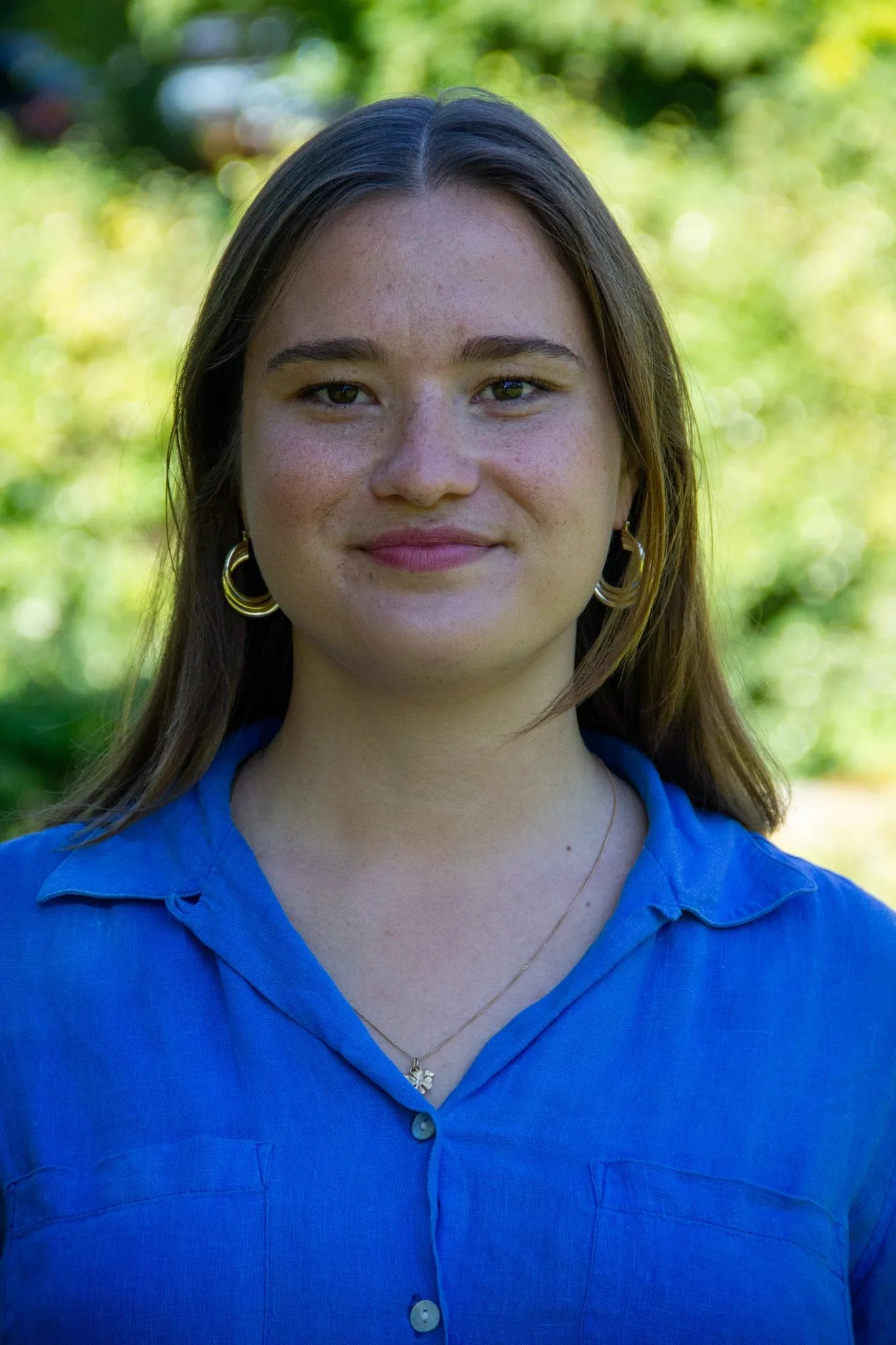
- The fact that we are now supporting the effort to establish the Swedish emergency medical team initiative means we can apply the knowledge we have gained about EMT internationally to a Swedish context. It is knowledge we have accumulated over the years that we have worked on the initiative, as well as through our research into it. There is a clear synergy between our international work and this new Swedish initiative, which we appreciate that the National Board of Health and Welfare is capitalising on, says Hannah von Reding , who, together with her colleagues Nieves Amat Camacho and research group leader Johan von Schreeb , has been working on the exercise.
The exercise may be over, and with it the fictional disaster in the equally fictional Marconia, but work on the Swedish emergency medical team initiative continues, as does the research group's involvement over the coming years. Among other things, they will be running this training course again in the autumn. At the same time, they are also continuing to work on and conduct research into the EMT initiative as a whole, in collaboration with the WHO.


