
A health impact assessment from the Institute of Environmental Medicine shows that proposed changes to Sweden's traffic noise regulations could lead to adverse health effects. The proposal, developed by the National Board of Housing, Building and Planning, includes removing the requirement for a quiet side in noise-exposed dwellings.

In a report to the government, the National Board of Housing, Building and Planning proposes several simplifications aimed at facilitating development planning and enabling increased and more diverse housing construction.
One of the proposals is to remove the requirement that at least half of the rooms in a dwelling must face a quiet or noise-protected side in noisy environments. However, an impact assessment commissioned by the National Board of Housing, Building and Planning from the Institute of Environmental Medicine (IMM) indicates that this could lead to negative health effects.
- The overall body of evidence is clear: access to a quiet or noise-protected side is an important protective factor that reduces annoyance and improves sleep quality, says Göran Pershagen, senior professor at IMM.
Exposure to traffic noise has been linked to an increased risk of severe health effects, such as myocardial infarction, stroke and type 2 diabetes. Noise-induced sleep disturbance is likely a key mechanism behind these associations.
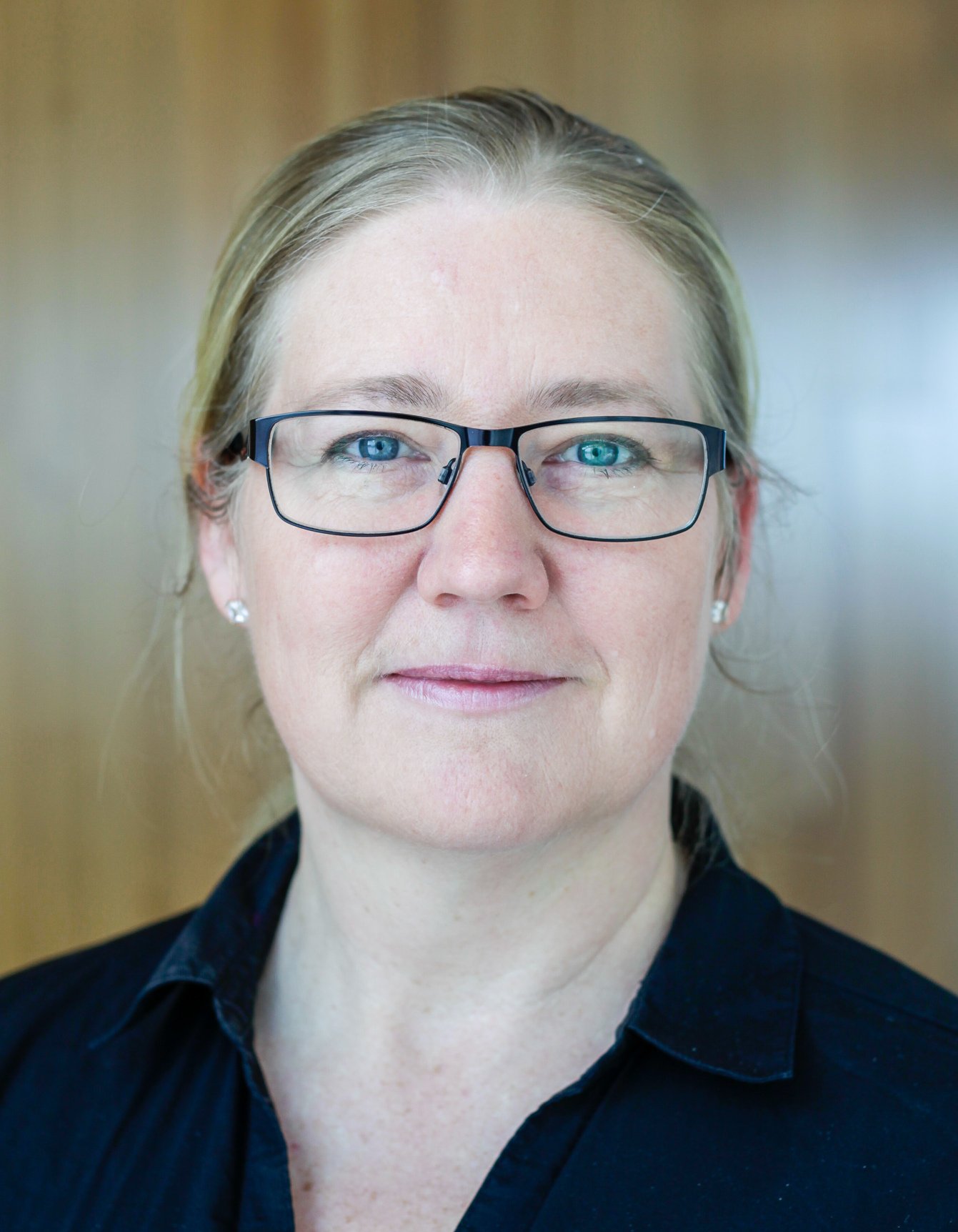
In its analysis, IMM concludes that the proposal may weaken protection against noise in new housing. Single-sided apartments facing noisy streets may make ventilation more difficult and contribute to higher indoor temperatures and poorer air quality, while noise - particularly low-frequency noise - more easily can penetrate indoors.
- We see a risk of both increased disturbance of daily life and long-term health effects, says Charlotta Eriksson, senior researcher at IMM.
A particular concern relates to bedrooms, which are currently often placed on the quieter side. If the requirement is removed, more bedrooms may be exposed to higher noise levels, which could affect sleep and recovery.
- The long-term consequences of the proposal are more difficult to assess, Charlotta Eriksson continues. However, it is highly likely to lead to more cases of cardiovascular disease caused by stress, sleep disturbance, heat and traffic-related air pollution.
IMM also points out that the change may make it more difficult to achieve Sweden's environmental quality objective of a good built environment.
- Ensuring access to a quiet side is a simple and effective measure. Our overall assessment is that the proposal is negative from a health perspective, says Göran Pershagen.
The Board's report serves as a basis for the government's ongoing work on the regulatory framework.


