
Shellharbour City Council will begin works on the Wattle Road Rehabilitation project in May, delivering important safety and road condition improvements between Urana Way and Baragoot Road.
Funded by the Australian Government's Roads to Recovery Program, the project will involve road milling and resurfacing works to improve the pavement condition, extend the life of the road surface and provide a safer, smoother road environment for all road users.
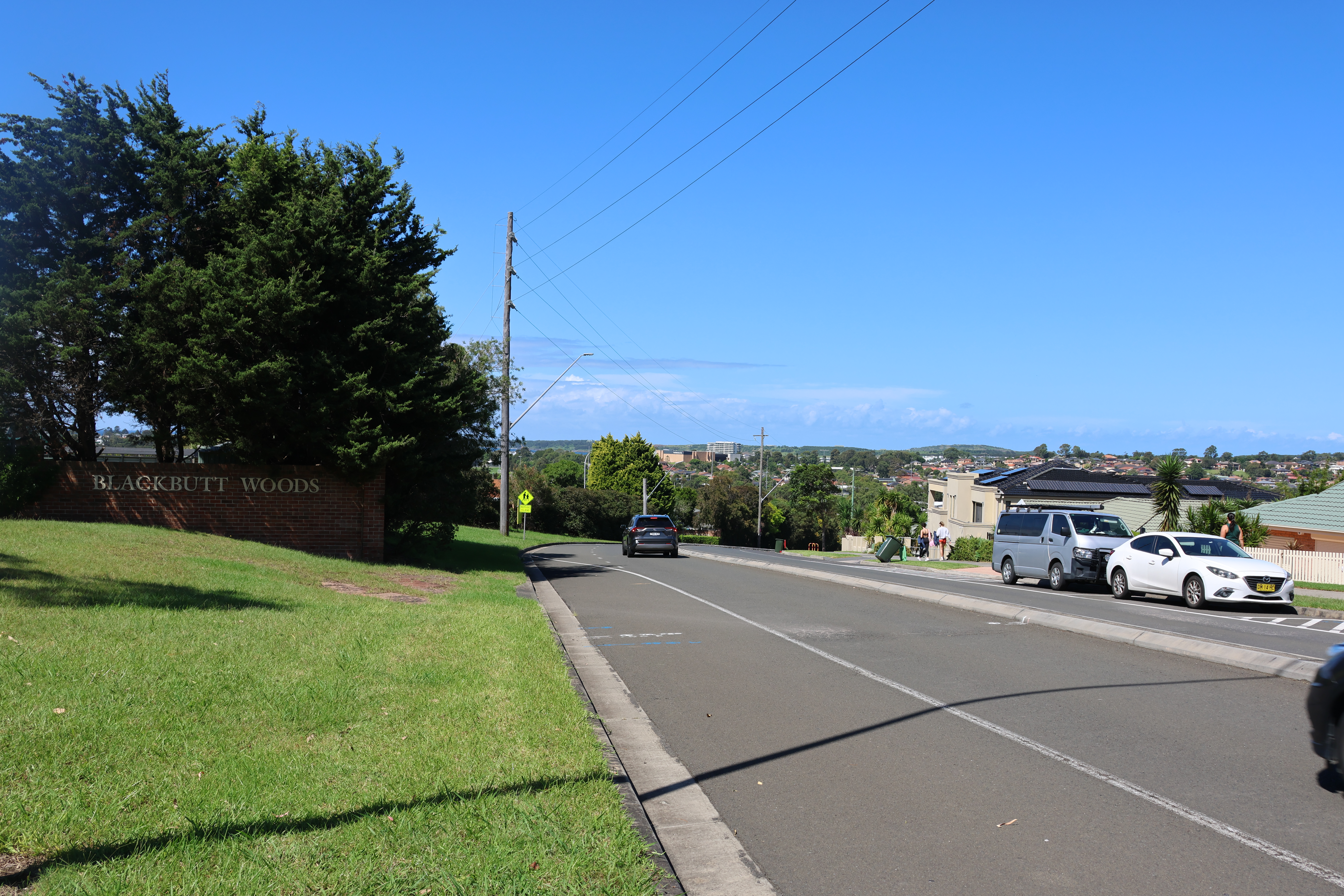
Caption: Council will begin works on Wattle Road in May. Image courtesy of Shellharbour City Council
Wattle Road is a key local connection between Lake Entrance Road and Shellharbour Road and is the sole access point for the Blackbutt Woods Estate, supporting residents, commuters and school bus services each day.
During construction, changed traffic conditions will be in place, including temporary lane closures, reduced speed limits and traffic control to ensure the safety of workers and road users. Detours may be required at times, and drivers are encouraged to follow signage and the directions of traffic controllers.
Motorists travelling through the area are advised to allow extra travel time during the construction period.
Shellharbour City Mayor Chris Homer said the project reflects Council's responsibility to maintain safe and reliable local roads.
"Wattle Road is one of our busiest local roads, carrying more than 10,000 vehicles each day and acting as an important connector across our city," Mayor Homer said.
"This upgrade will make travel safer and more reliable for everyone who uses Wattle Road, from local residents to commuters and essential services."
Construction is expected to commence from 6 May 2026, weather permitting, and continue through until mid-May.


