
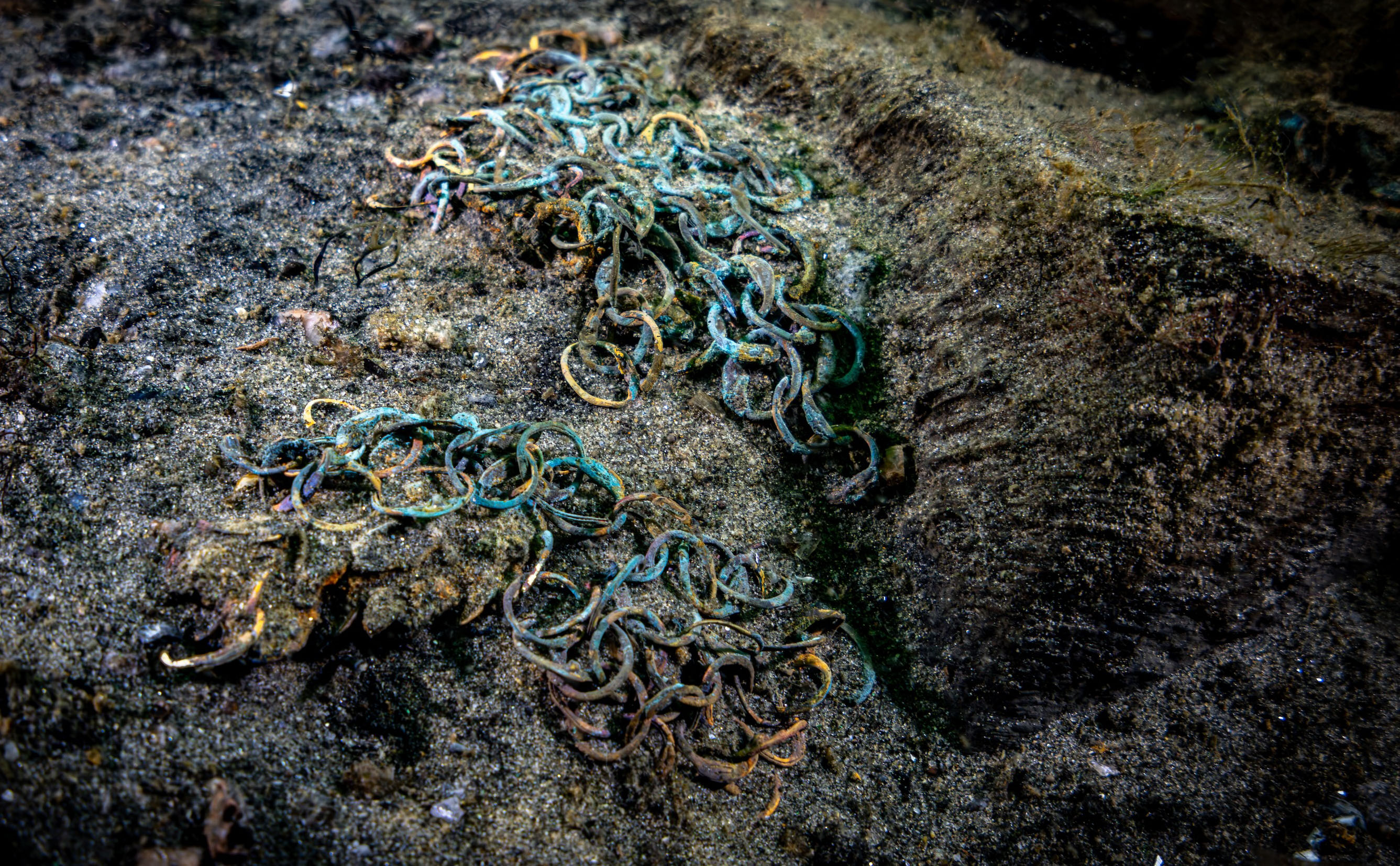
Maritime archaeologists have discovered well-preserved fragments of exceptionally high-quality chain mail armour while diving on the wreck of a 500-year-old Danish warship.
An international team from the University of Southampton (UK), Södertörn University (Sweden) and Stockholm University (Sweden), found the armour while exploring 'Griffin', one of the Baltic Sea's most significant wrecks.
Griffin, or Gribshunden, was the 15th-century Danish royal warship of King Hans.
The archaeologists and hydrographic survey specialists were making highly detailed archaeological records of the wreck - using advanced robotic survey technology and 3D photogrammetric imaging - when they uncovered the extraordinary find.
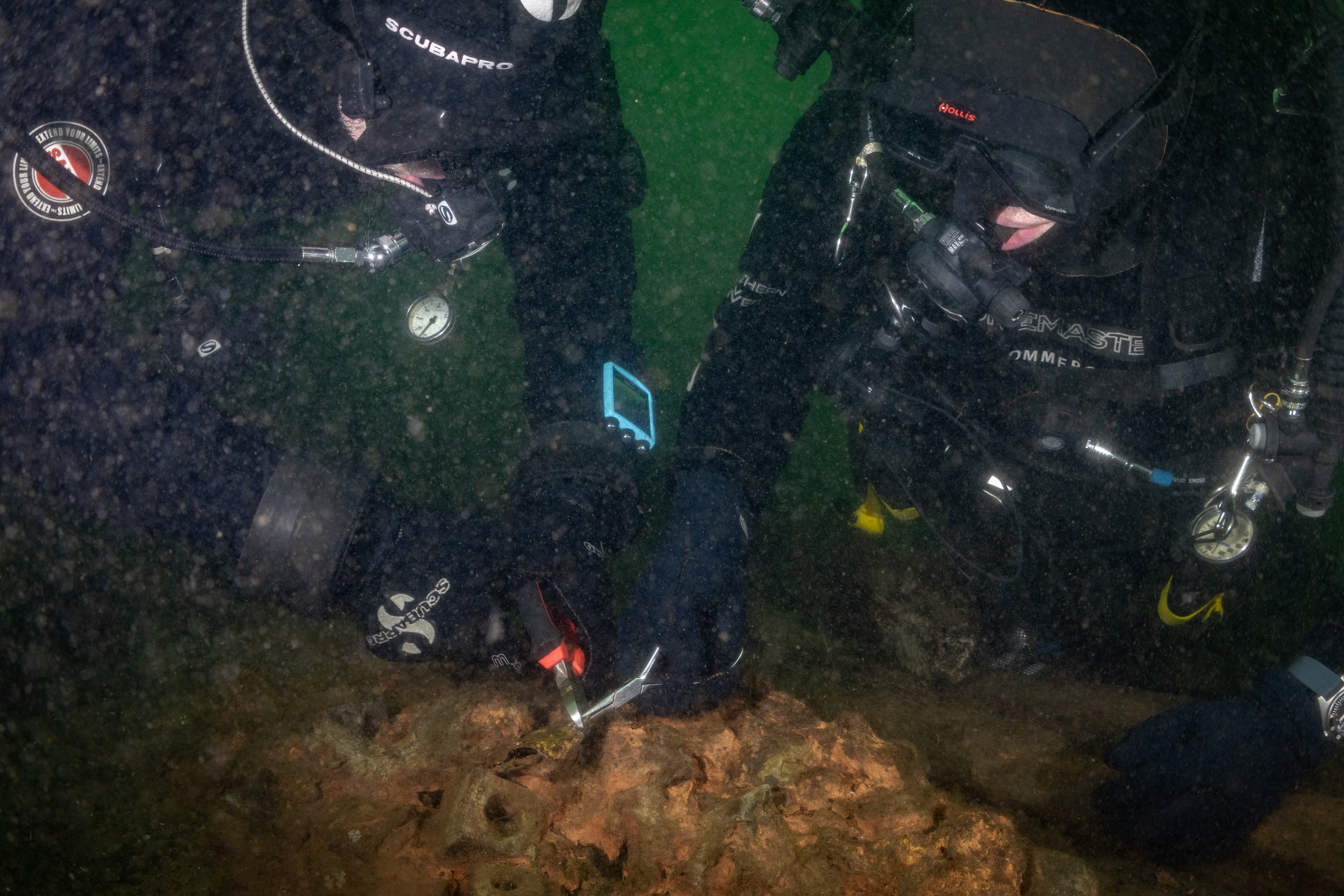
The mail armour, made of copper-alloy, was discovered during documentation of an ammunition-tool chest. Other weaponry-related artefacts were sampled for further analysis.
A find of exceptional quality
The researchers' fieldwork focused on the superstructure of the ship, including the forecastle - the elevated fighting platform in the front of the ship - leading to the discovery.
"The remains of the armour were just below the forecastle, in a section that may have served as a storage area for military gear on the ship. It was a truly amazing find!," says Dr Rodrigo Pacheco-Ruiz , Visiting Fellow at the Centre for Maritime Archaeology (CMA) , University of Southampton, and co-investigator on the Griffin project.
"Historical sources indicate that German mercenaries, or Landsknechts, were aboard Griffin when it sank in 1495. This part of the ship may therefore have been used to stow equipment associated with these soldiers, including their armour, although we've yet to establish a precise function for the space."
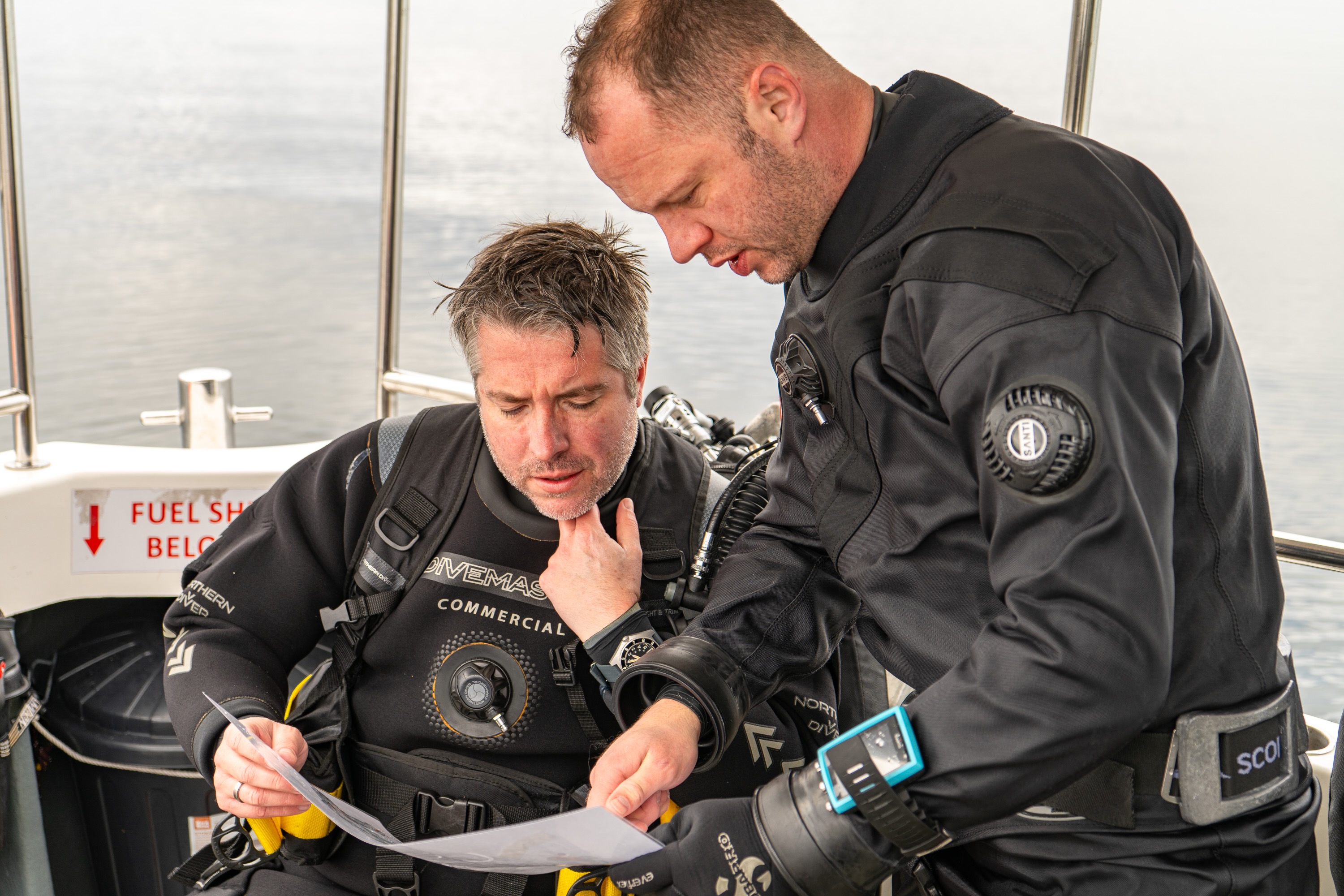
The project is led by Rolf Fabricius Warming, a Southampton alumnus and current PhD researcher at Stockholm University, alongside Professor Johan Rönnby of Södertörn University.
Rolf Fabricius Warming comments: "While the high-quality craftsmanship of the chain mail is of archaeological interest, its presence doesn't necessarily indicate an association with a high-status individual.
"This kind of armour could remain in use for extended periods, often undergoing repairs or being reused, so these fragments may represent older military equipment that was still active. Specialist analysis of their manufacturing and composition may reveal their place of origin."
Lead objects had been found during earlier fieldwork and may relate to moulds used in ammunition manufacture, although their precise function has yet to be established. Samples of lead and other materials were taken from an ammunition-tool chest during the current investigation.
Examining the structural elements of the forecastle and other related features will help researchers explain how weapons, equipment and military personnel were accommodated and deployed aboard the vessel.
A ship of war and diplomacy
Griffin was the warship of the Danish King Hans. In 1493 it sailed to England as part of a diplomatic expedition carrying representatives of the monarch.
This connection with England highlights the vessel's role, not only as a warship, but also as an instrument of royal diplomacy and international relations in late medieval Europe.
In 1495, Griffin suffered an explosion, caught fire, and sank while anchored north of Stora Ekö Island off Sweden.
The well-preserved wreck was rediscovered in the 1970s and various scientific investigations have been performed since.
Investigated by Södertörn University's Maritime Archaeological Research Institute since 2013, Griffin is an extremely important archaeological resource. The vessel offers a rare opportunity to investigate the development of European naval warfare, ship construction and maritime technology in the late Middle Ages.
Sophisticated surveying
This most recent UK and Swedish collaboration builds on joint investigations of the wreck undertaken since 2019. A key aim of the project is to combine traditional archaeological diving with advanced sonar mapping and photography.
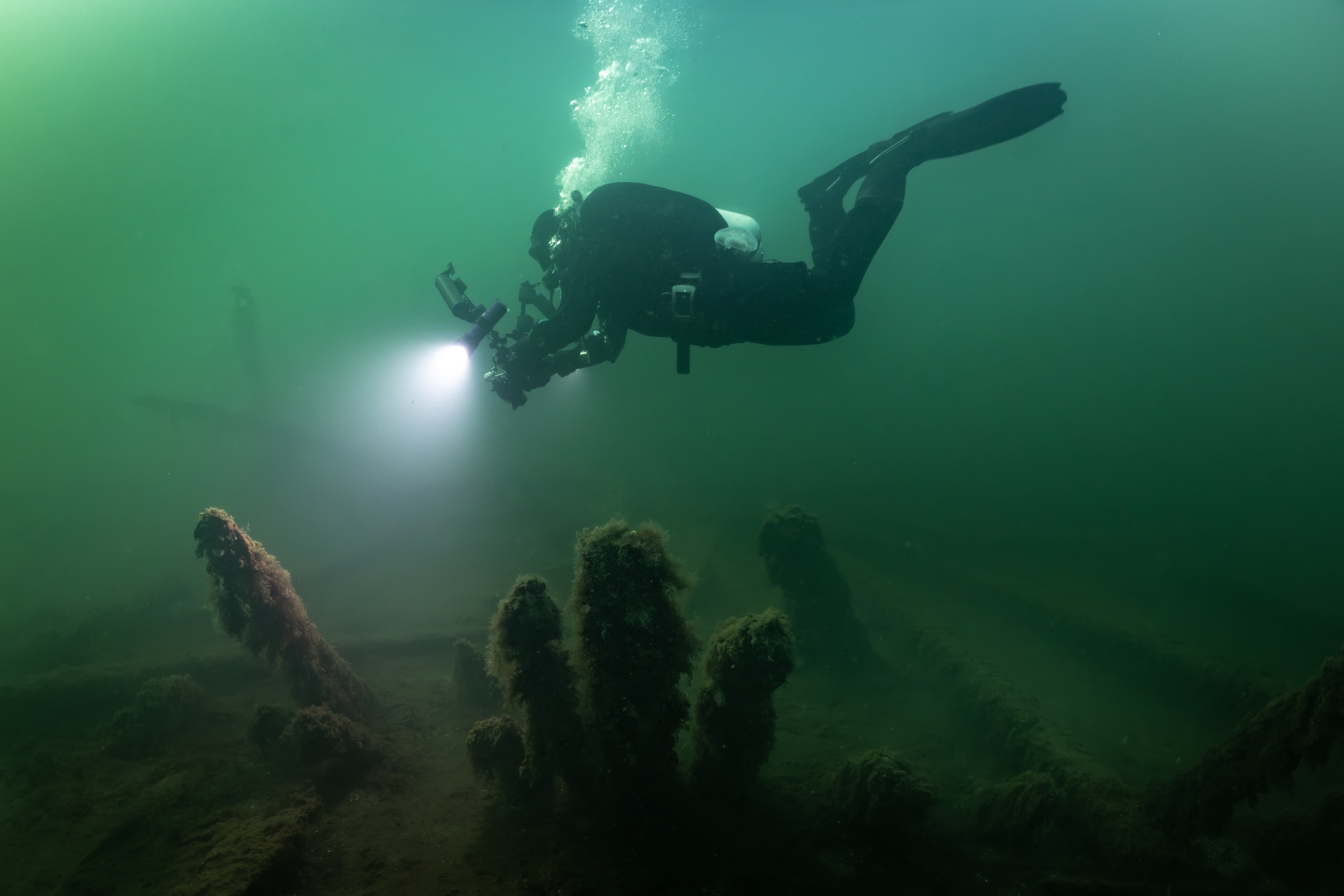
The latest fieldwork combines three complementary approaches: robotic seabed mapping using an uncrewed surface vehicle (USV), diver-led archaeological investigation and high-resolution photogrammetric recording - a method capturing and creating highly-detailed 3D visual imagery.
While maritime archaeologists worked directly on the wreck, documenting diagnostic timbers and archaeological features, a Maritime Robotics Otter USV provided an independent survey platform above the site. Integrating these elements allows researchers to create highly detailed records of the wreck, understand discoveries in their wider context and guide future investigations.


