Among the 102 recipients at Karolinska Institutet who received research grants in medicine and health from the Swedish Research Council (Vetenskapsrådet), five researchers from the Department of Neuroscience were included.

Yvonne Johansson is awarded a SEK 6 million starting grant covering a four-year period, which will give her the opportunity to establish herself as an independent researcher. Her research project entitled "Investigation of the forgotten source of dopamine in the retrorubral field" will allow her to investigate the functional role of an understudied population of dopaminergic neurons and how they contribute to brain function and behaviour.
"We know that dopamine plays a fundamental role in human behaviour, but this particular population of dopamine-producing neurons has largely been overlooked. This grant gives me the opportunity to establish my own research group and to explore the function of these cells, which is both a significant recognition and an exciting new direction for my research," says Yvonne Johansson.
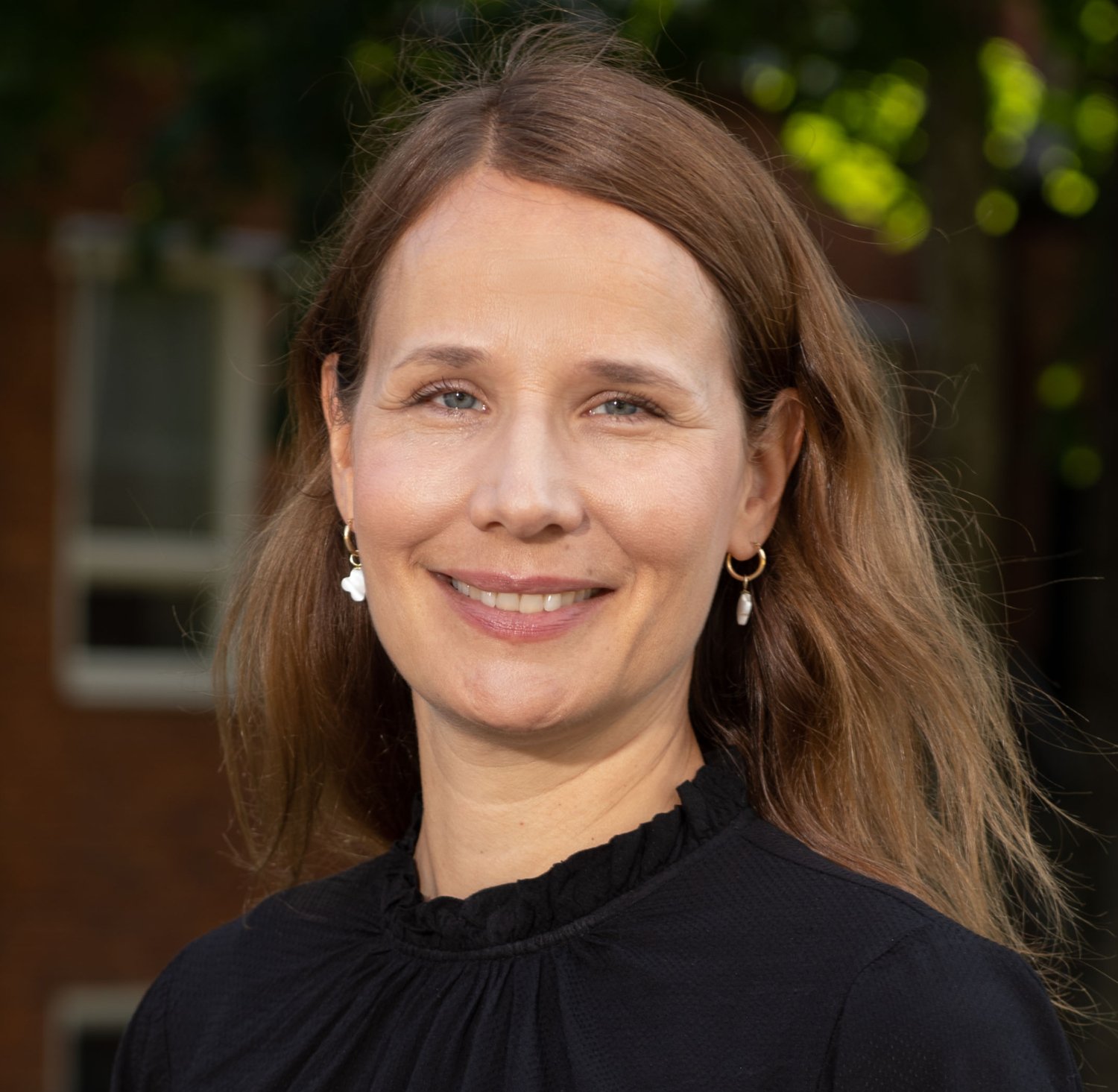
Andrea Carmine Belin is awarded SEK 5.4 million over four years to support her project entitled "Mapping the pathophysiological mechanisms of cluster headache", which seeks to enhance understanding of the biological processes underlying cluster headache.
"To receive a VR grant for four years in high competition is an honourful and important recognition of my team's research. This type of grant, which extends over a longer period of time, also gives me the opportunity to plan long-term for larger investments, which is crucial for the successful development of the headache field", says Andrea Carmine Belin.
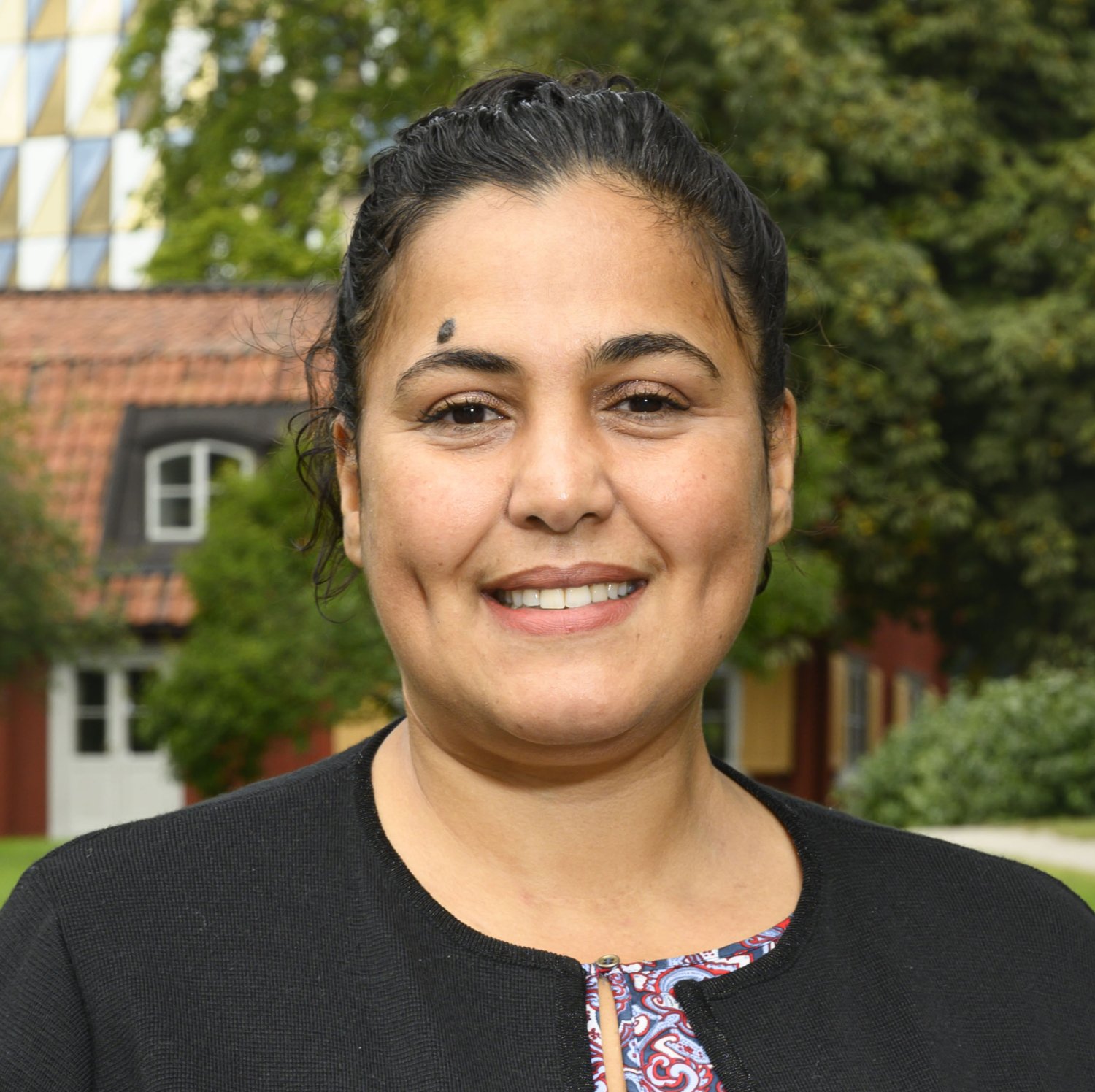
Saida Hadjab is also granted SEK 5.4 million for a four-year term for her research project entitled "A central hub for pain and cognitive-affective conditions". The project explores how long-lasting pain affects much more than physical sensation, studying how chronic pain alters key brain circuits leading to changes in mood, sleep, appetite, motivation, and thinking.
"By uncovering the biological mechanisms behind theses changes, the project aims to explain why chronic pain is so often accompanied by broader behavioural and emotional difficulties, and to identify new biological targets that could improve the treatment of pain and its associated conditions. Receiving this competitive grant for the third time in a row is a tremendous honour and a recognition of my laboratory's sustained research efforts in the pain field," says Saida Hadjab.

Likewise, Francois Lallemend receives SEK 5.4 million over four years for his research project "Brain stem circuits for proprioceptive control of movement", which examines the neurals circuits in the brain stem responsible for regulating the body's perception of movement and position.
"Despite knowing that movement sensing begins in the body, it remains unclear how the brain interprets this information to guide actions. This project aims to define how movement related sensory signals from muscles are integrated across cellular and circuit levels in the brain to control coordinated movement. Receiving this grant provides vital support to deepen our understanding of these mechanisms, enabling us to pursue new experimental approaches and advance the project towards uncovering how the brain orchestrates precise motor control," says François Lallemend.

Håkan Karlsson is awarded just over SEK 4 million for a period of three years to support his project entitled "Infections during early childhood and psychiatric disorders" in which he uses multiple approaches to evaluate the potential roles of infections and host factors in the etiologies of psychiatric disorders.
"Many reports over the years have speculated on the potential roles of infections and other challenges to our immune system in teh causes of psychiatric disorders. This grant will allow us to explore the relations between the infrections, the immune system and genetic variation at a level of detail not possible before", says Håkan Karlsson.
These four grants underscore the important contributions of the researchers in advancing medical science within their specialties.